
Alioramus Facts for Kids
Alioramus was a long-snouted tyrannosaurid dinosaur from Late Cretaceous Mongolia. It was not T. rex, but it belonged to the tyrannosaur family. Alioramus had a slim body, long low skull, many teeth, and small bony horns or crests on its face, making it one of the strangest tyrannosaurs.
Quick Alioramus Facts
- Animal Type: Theropod dinosaur
- Group: Long-snouted tyrannosaurid and alioramin
- Known For: Long slender snout, small face horns, many teeth, Mongolia fossils, hatchlings, Nemegt Formation, living near Tarbosaurus, and Late Cretaceous tyrannosaur diversity
- Lived During: Late Cretaceous, about 70 million years ago
- Diet: Meat from smaller dinosaurs, reptiles, birds, mammals, and carrion
What You’ll Learn
Learn 10 unusual alioramus facts for kids about its long snout, small horns, sharp teeth, running, and Cretaceous Asia, plus a quiz, glossary, and activity
Easy explanations make them perfect for children, families, teachers, and young dinosaur fans.
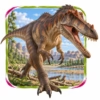
10 Fun Alioramus Facts for Kids
1. Alioramus Was a Dinosaur
Alioramus was a theropod dinosaur, the two-legged meat-eating group.
Kid Decode: Two legs, sharp teeth, Cretaceous predator badge.
2. It Was a Tyrannosaurid
Alioramus belonged to the tyrannosaurid family, but it was slimmer and longer-snouted than giants such as Tarbosaurus and T. rex.
Kid Decode: Tyrannosaur does not always mean giant blocky skull.
3. Its Name Means Different Branch
Alioramus means different branch, because its skull looked unusual compared with other tyrannosaurs.
Kid Decode: Even its name says, I am the odd cousin.
4. It Had a Long Slender Snout
Alioramus had a longer, lower skull than most famous tyrannosaurids.
Kid Decode: Its face was more sleek predator than bone-crushing bulldozer.
5. It Had Small Horns and Crests
Alioramus had bony ornaments on its snout and face, including small crests or horn-like bumps.
Kid Decode: A tyrannosaur with face decorations? Mongolia said yes.
6. It Had Many Teeth
Alioramus had more teeth than most other tyrannosaurids, with slender teeth suited for slicing.
Kid Decode: More teeth, thinner bite, different dinner strategy.
7. It Lived in Mongolia
Alioramus fossils come from Late Cretaceous rocks of Mongolia, including the Nemegt Formation.
Kid Decode: Ancient Mongolia had rivers, floodplains, and tyrannosaurs with personality.
8. It Lived Near Tarbosaurus
Alioramus shared its world with larger tyrannosaur relatives such as Tarbosaurus, so it may have hunted different prey or used a different niche.
Kid Decode: Two tyrannosaurs in one ecosystem needed different jobs at the meat counter.
9. Baby Alioramus Were Hatchlings
Baby Alioramus dinosaurs hatched from eggs, so they can be called hatchlings.
Kid Decode: A hatchling with future face crests is a tiny tyrant-in-training.
10. It Shows Tyrannosaurs Were Diverse
Alioramus proves tyrannosaurs were not all the same shape, with some long-snouted and gracile instead of massive and deep-skulled.
Kid Decode: The tyrannosaur family had more designs than just T. rex mode.
The Weirdest Alioramus Fact
Alioramus was a tyrannosaur with a long snout and little face horns, making it look surprisingly different from the classic T. rex shape.
Try This Alioramus Activity
Alioramus Drawing Activity
Draw Alioramus in Late Cretaceous Mongolia. Add a long slender snout, small face horns, many sharp teeth, slim legs, hatchling egg clue, Nemegt riverbank, Tarbosaurus shadow, and a “long-snouted tyrannosaur” label.
Quick Alioramus Quiz
- Was Alioramus a dinosaur? Answer: Yes, it was a theropod dinosaur.
- Was Alioramus related to T. rex? Answer: Yes, it was a tyrannosaurid.
- Where did Alioramus live? Answer: Mongolia in Asia.
- What made its skull unusual? Answer: A long slender snout with small face horns or crests.
- What did Alioramus eat? Answer: Meat from smaller animals and carrion.
Mini Glossary
- Tyrannosaurid: A family of meat-eating theropod dinosaurs that includes T. rex and its relatives.
- Alioramin: A long-snouted branch of Asian tyrannosaurids.
- Gracile: Lightly built or slender.
- Hatchling: A baby animal newly hatched from an egg.
- Nemegt Formation: A Late Cretaceous rock formation in Mongolia famous for dinosaur fossils.
 Turtle Facts for Kids
 Freshwater Eel Facts for Kids
 Scarlet Macaw Facts for Kids
 Procoptodon Facts for Kids
More Animal Facts for Kids
Visit the full animal facts library or explore a focused animal group.
More Extinct Animal Facts for Kids
Discover dinosaurs, Ice Age giants, prehistoric sea creatures, recently extinct species, and other animals from the past.
Fact check note: Fact checked with PNAS Alioramus altai description, Australian Museum Alioramus fact sheet, AMNH/ScienceDaily summary, and trusted tyrannosaur education sources.

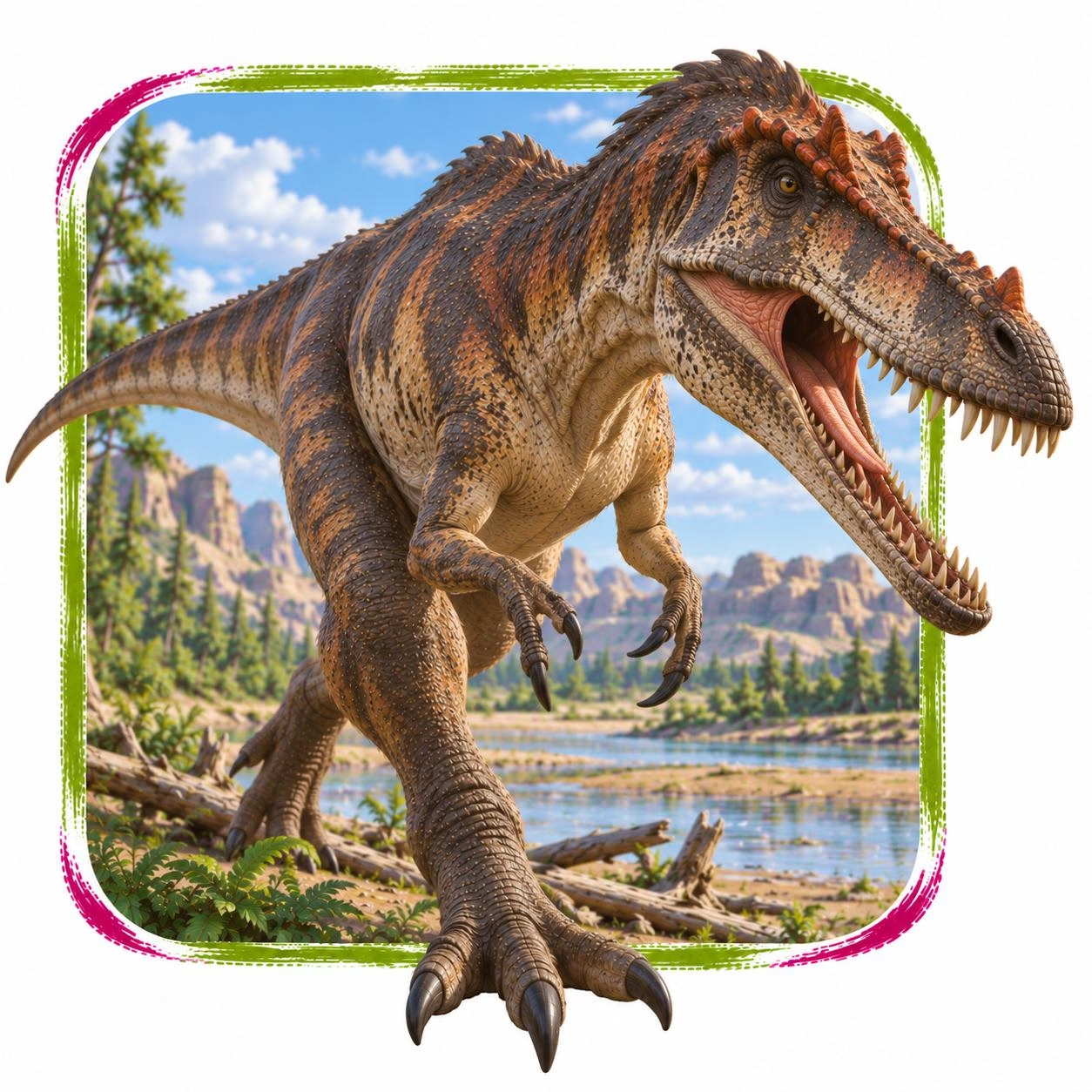
Alioramus in its natural Late Cretaceous Mongolian floodplains, Nemegt Formation river systems, humid lowlands, sandy channels, wooded river edges, Gobi fossil localities, Tarbosaurus ecosystems, and Asian tyrannosaur habitats habitat