
Ammonite Facts for Kids
Ammonites were extinct shelled sea animals related to modern squids, octopuses, and nautiluses. They lived in ancient oceans for millions of years and are famous for their beautiful spiral shells. Ammonites disappeared at the end of the Cretaceous Period, about 66 million years ago.
Quick Ammonite Facts
- Animal Type: Extinct marine invertebrate
- Group: Shelled cephalopod mollusk
- Known For: Spiral shells, chambered shells, tentacles, ocean fossils, worldwide fossils, and extinction 66 million years ago
- Lived During: Devonian to Cretaceous periods
- Diet: Small sea animals, plankton, and other tiny marine prey
What You’ll Learn
Learn 10 spiral ammonite facts for kids about coiled shells, tentacles, ocean swimming, fossils, and prehistoric seas, plus a quiz, glossary, and activity
Simple explanations make them great for children, families, teachers, and young fossil fans.
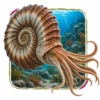
10 Fun Ammonite Facts for Kids
1. Ammonites Were Not Dinosaurs
Ammonites were marine invertebrates, not dinosaurs, fish, or reptiles.
Kid Decode: They were ancient ocean animals with spiral houses on their backs.
2. They Were Cephalopods
Ammonites belonged to cephalopods, the same big animal group as squids, octopuses, cuttlefish, and nautiluses.
Kid Decode: Their modern cousins are basically the ocean’s clever-arm club.
3. They Had Spiral Shells
Many ammonites had coiled spiral shells, though shell shapes could vary between species.
Kid Decode: Their shells looked like tiny stone cinnamon rolls from the sea.
4. Their Shells Had Chambers
Ammonite shells were divided into chambers, and the animal lived in the newest outer chamber.
Kid Decode: The shell was part home, part float-control gadget.
5. They Had Tentacles
Ammonites likely had tentacles near the opening of the shell for catching food and moving prey toward the mouth.
Kid Decode: Tentacles plus spiral shell equals prehistoric sea wizard energy.
6. They Lived in Oceans
Ammonites lived in marine habitats all over the world, from shallow seas to deeper waters.
Kid Decode: Their fossils are ocean postcards from vanished seas.
7. They Are Great Index Fossils
Because many ammonite species changed quickly and spread widely, scientists use them to help date rock layers.
Kid Decode: Ammonites are like fossil time stamps with curls.
8. They Went Extinct
Ammonites disappeared during the mass extinction at the end of the Cretaceous Period, about 66 million years ago.
Kid Decode: They left the ocean stage when non-bird dinosaurs did too.
9. Their Fossils Are Common
Ammonite fossils are found worldwide, often preserved as beautiful coiled shells in rock.
Kid Decode: Fossil hunters love them because the spiral shape is instantly recognizable.
10. They Were Different From Nautiluses
Ammonites were related to nautiluses, but they were a separate extinct group with different shell details.
Kid Decode: Nautilus is the living cousin, not the same animal wearing a new shell.
The Weirdest Ammonite Fact
Ammonites had chambered spiral shells that helped them float in ancient oceans, like tiny coiled submarines with tentacles.
Try This Ammonite Activity
Ammonite Drawing Activity
Draw an ammonite swimming through an ancient ocean. Add a spiral shell, shell chambers, tentacles, tiny prey, bubbles, sea plants, fossil shell, rock layers, and an “ancient cephalopod” label.
Quick Ammonite Quiz
- Were ammonites dinosaurs? Answer: No, they were marine invertebrates.
- What animal group did ammonites belong to? Answer: Cephalopods.
- What shape were many ammonite shells? Answer: Spiral or coiled.
- When did ammonites go extinct? Answer: About 66 million years ago.
- Why are ammonites useful to scientists? Answer: They help date rock layers as index fossils.
Mini Glossary
- Cephalopod: A mollusk group that includes squids, octopuses, nautiluses, and ammonites.
- Invertebrate: An animal without a backbone.
- Chamber: A separate space inside a shell.
- Index Fossil: A fossil used to help identify the age of rock layers.
- Extinction: When a whole group of living things dies out.
 Kookaburra Facts for Kids
 Hornbill Facts for Kids
 Hermit Crab Facts for Kids
 Enhydriodon Facts for Kids
More Animal Facts for Kids
Visit the full animal facts library or explore a focused animal group.
More Extinct Animal Facts for Kids
Discover dinosaurs, Ice Age giants, prehistoric sea creatures, recently extinct species, and other animals from the past.
Fact check note: Fact checked with Natural History Museum ammonite resources, cephalopod fossil references, ammonite extinction summaries, and trusted paleontology education sources.

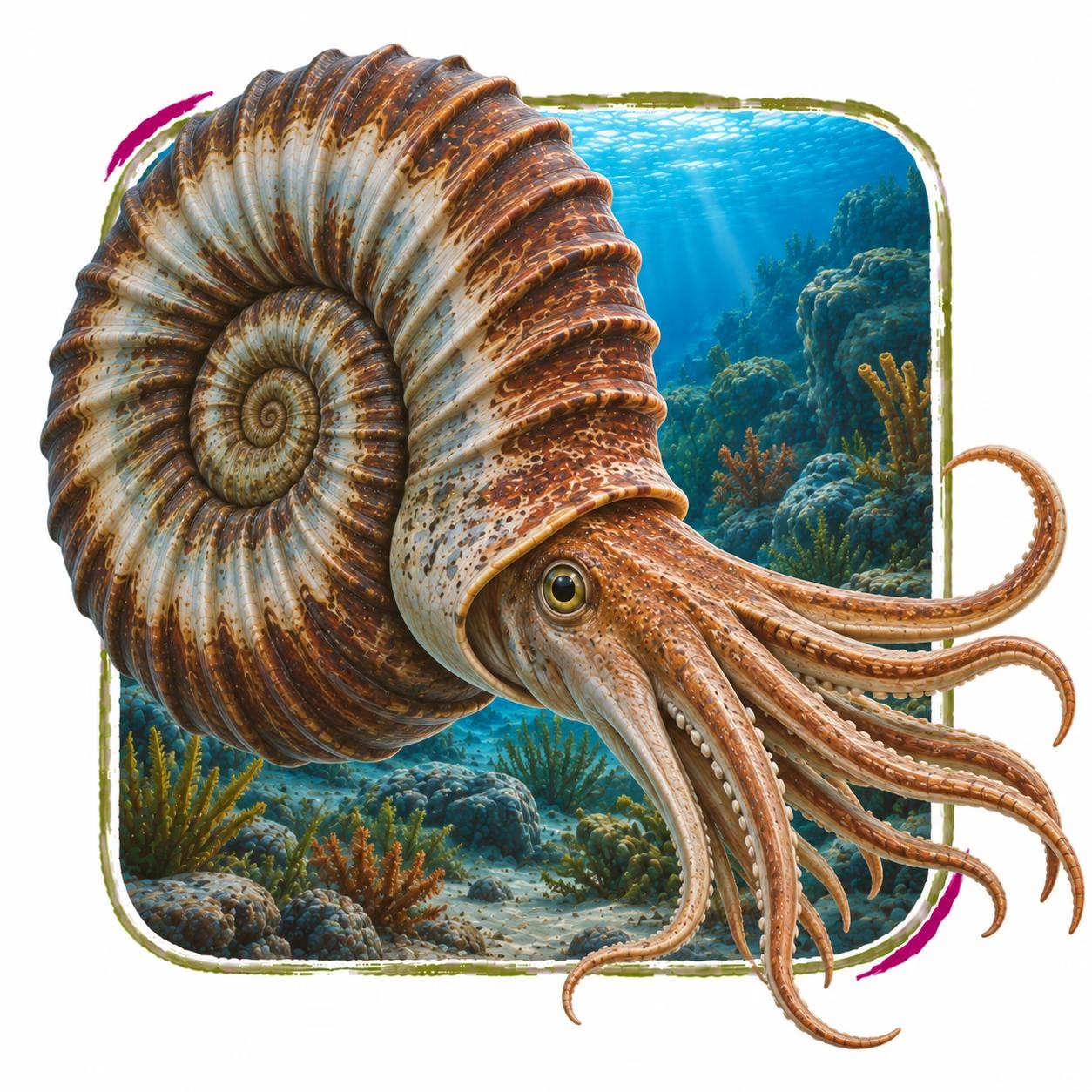
Ammonite in its natural Ancient oceans, shallow seas, reefs, seafloors, and open marine waters habitat