
Anhanguera Facts for Kids
Anhanguera was a toothed pterosaur from Early Cretaceous Brazil. It was not a dinosaur, but a flying reptile with long narrow jaws, sharp teeth, head crests, and wings made from skin stretched along a long finger. Its fossils come from the famous Araripe Basin.
Quick Anhanguera Facts
- Animal Type: Extinct flying reptile
- Group: Anhanguerid pterosaur
- Known For: Long toothed jaws, head crests, fish eating, strong wings, Brazilian fossils, and Early Cretaceous life
- Lived During: Early Cretaceous Period
- Diet: Fish and other small aquatic animals
What You’ll Learn
Learn 10 fascinating anhanguera facts for kids about long jaws, sharp teeth, wings, fishing, and Cretaceous skies, plus a quiz, glossary, and activity
Clear explanations make them fun for children, families, teachers, and young prehistoric explorers.
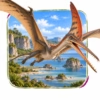
10 Fun Anhanguera Facts for Kids
1. Anhanguera Was Not a Dinosaur
Anhanguera was a pterosaur, a flying reptile group that lived alongside dinosaurs but was separate from dinosaurs.
Kid Decode: It flew through dinosaur times with its own winged reptile badge.
2. Its Name Means Old Devil
The name Anhanguera is often translated as old devil, a dramatic name from Brazilian Indigenous language roots.
Kid Decode: That name sounds like it flew straight out of a fossil thundercloud.
3. It Had Long Toothed Jaws
Anhanguera had long jaws lined with sharp teeth that helped it grab slippery prey such as fish.
Kid Decode: Fish probably did not enjoy that toothy beak situation.
4. It Had Head Crests
Anhanguera had crests on its skull, including crests near the front of the jaws in some fossils.
Kid Decode: Those crests gave it proper prehistoric sky-drama.
5. It Ate Fish
Anhanguera was likely a fish eater, catching prey around ancient lakes, lagoons, or coastal waters.
Kid Decode: This flyer treated Cretaceous water like a snack counter.
6. It Lived in Brazil
Anhanguera fossils are known from Brazil, especially the Araripe Basin fossil deposits.
Kid Decode: Brazilian rocks saved this sharp-toothed sky reptile for science.
7. It Had Wings Made From Skin
Like other pterosaurs, Anhanguera had wings made from skin and muscle stretched along a very long finger.
Kid Decode: One finger became a flying frame. Prehistory loved unusual engineering.
8. It Was a Strong Flyer
Anhanguera had long narrow wings that suggest it was built for flying over water.
Kid Decode: Think ancient fish-hunting glider, not flapping feathered bird.
9. Baby Anhangueras Were Hatchlings
Like other pterosaurs, Anhanguera hatched from eggs, and young babies can be called hatchlings.
Kid Decode: A hatchling Anhanguera started tiny before growing into a toothy sky hunter.
10. It Lived During the Early Cretaceous
Anhanguera lived during the Early Cretaceous Period, long before humans and near many ancient water habitats.
Kid Decode: Its world had warm waters, strange reptiles, and plenty of fossil plot twists.
The Weirdest Anhanguera Fact
Anhanguera had long toothy jaws and head crests, making it look like a flying fish-grabber designed by a fossil artist with extra flair.
Try This Anhanguera Activity
Anhanguera Drawing Activity
Draw an Anhanguera flying over an Early Cretaceous lagoon. Add long toothed jaws, head crests, narrow wings, wing finger, fish below, hatchling, eggs on a rocky ledge, fossil bones, waves, and an “old devil” label.
Quick Anhanguera Quiz
- Was Anhanguera a dinosaur? Answer: No, it was a pterosaur.
- What did Anhanguera likely eat? Answer: Fish and small aquatic animals.
- Where are Anhanguera fossils known from? Answer: Brazil.
- What body part supported its wings? Answer: A very long finger.
- During what period did Anhanguera live? Answer: Early Cretaceous Period.
Mini Glossary
- Pterosaur: An extinct flying reptile group that lived alongside dinosaurs.
- Anhanguerid: A pterosaur group that included toothed fish-eating flyers.
- Crest: A raised structure on an animal’s head.
- Hatchling: A newly hatched baby animal.
- Araripe Basin: A fossil-rich region in Brazil known for many Cretaceous animals.
 Sawshark Facts for Kids
 Leopard Gecko Facts for Kids
 Oscar Fish Facts for Kids
 Placerias Facts for Kids
More Animal Facts for Kids
Visit the full animal facts library or explore a focused animal group.
More Extinct Animal Facts for Kids
Discover dinosaurs, Ice Age giants, prehistoric sea creatures, recently extinct species, and other animals from the past.
Fact check note: Fact checked with pterosaur education resources, Araripe Basin fossil references, Anhanguera fossil summaries, and trusted paleontology education sources.

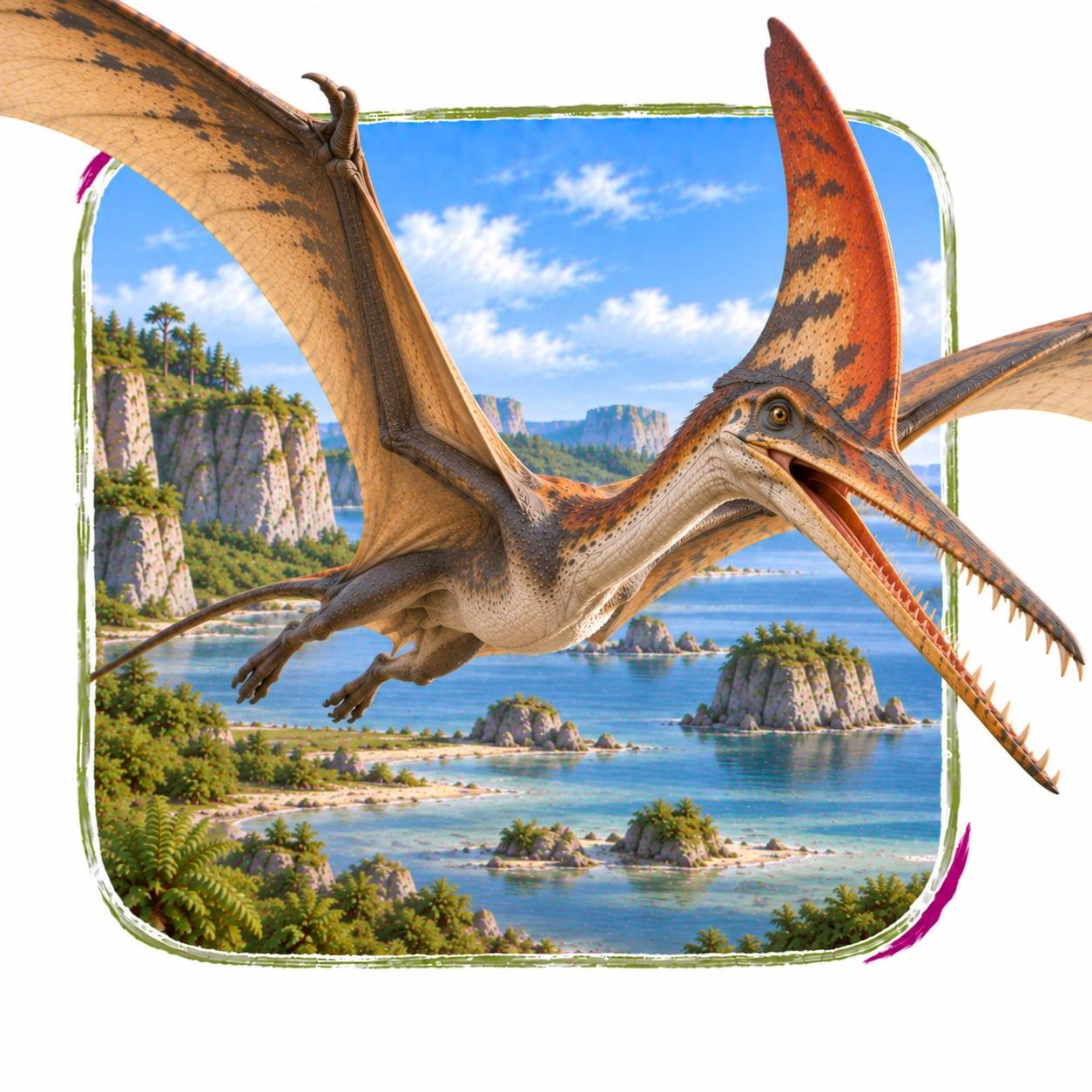
Anhanguera in its natural Early Cretaceous lagoons, lakes, coastal waters, and nearby cliffs habitat