
Argentavis Facts for Kids
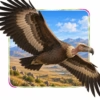
Argentavis was a gigantic extinct flying bird from Late Miocene Argentina. It was not a dinosaur and not a pterosaur. Argentavis magnificens belonged to the teratorns, a group related to New World vultures, and it was one of the largest flying birds ever known, using huge wings to soar over open landscapes.
Quick Argentavis Facts
- Animal Type: Prehistoric flying bird
- Group: Teratornithid, or giant teratorn
- Known For: Enormous wings, soaring flight, Argentina fossils, thermal riding, difficult takeoff, chicks, scavenging or predatory lifestyle, and Late Miocene life
- Lived During: Late Miocene, about 6 million years ago
- Diet: Carrion, small animals, and possibly prey taken on the ground
What You’ll Learn
Discover 10 enormous argentavis facts for kids about giant wings, soaring, flight, feeding, and prehistoric South America, plus a quiz, glossary, and activity
Clear explanations make them fun for children, families, teachers, and little fact-hunters.
10 Fun Argentavis Facts for Kids
1. Argentavis Was a Bird
Argentavis was a real bird, not a pterosaur, dinosaur, or mythical roc.
Kid Decode: Ancient bird, aircraft-sized wings, zero dragon permit.
2. It Was a Teratorn
Argentavis belonged to the teratorns, extinct giant relatives of New World vultures and condors.
Kid Decode: Condor cousin, but with the size dial turned into thunder.
3. It Lived in Argentina
Argentavis fossils come from Late Miocene rocks in Argentina.
Kid Decode: The name even means Argentina bird, which is tidy fossil branding.
4. It Had a Huge Wingspan
A famous aerodynamic study estimated a wingspan of about 7 metres, though later comparisons discuss different estimates.
Kid Decode: Either way, this bird needed a very wide sky.
5. It Was Extremely Heavy for a Flyer
Argentavis may have weighed around 70 kilograms, making it one of the heaviest flying birds known.
Kid Decode: That is a bird with suitcase-weight problems and sky ambitions.
6. It Probably Soared on Thermals
Computer models suggest Argentavis used rising warm air and slope winds to stay aloft, rather than flapping constantly.
Kid Decode: It rode invisible elevators made of sunshine.
7. Takeoff Was Tricky
Because it was so heavy, Argentavis probably needed wind, slopes, or open running space to launch into the air.
Kid Decode: Getting airborne was the hard part. Staying there was the elegant part.
8. It May Have Scavenged
Many scientists think Argentavis likely scavenged like a giant condor, though it may also have taken small prey.
Kid Decode: Big wings, sharp eyes, and a very serious interest in leftovers.
9. Baby Argentavis Were Chicks
Baby Argentavis can be called chicks because it was a bird that hatched from eggs.
Kid Decode: A chick that could grow into a sky giant is a nursery plot twist.
10. It Was Later Out-Wingspanned
Argentavis was once the classic largest-flying-bird example, but Pelagornis sandersi later challenged it for wingspan record.
Kid Decode: Even giant birds can lose a wingspan crown to a fossil seabird.
The Weirdest Argentavis Fact
Argentavis was so huge that researchers compared its wingspan with a small airplane, yet it still managed flight by soaring like a mega-condor.
Try This Argentavis Activity
Argentavis Drawing Activity
Draw Argentavis soaring above Miocene Argentina. Add giant wings, wide shadow, mountain slope, warm thermal arrows, chick egg clue, grassland below, carrion clue, condor cousin symbol, and a “giant teratorn” label.
Quick Argentavis Quiz
- Was Argentavis a pterosaur? Answer: No, it was a bird.
- Where did Argentavis live? Answer: Argentina in South America.
- What bird group did it belong to? Answer: Teratorns.
- How did Argentavis probably stay in the air? Answer: By soaring on thermals and wind.
- What are baby birds called? Answer: Chicks.
Mini Glossary
- Teratorn: An extinct giant bird related to New World vultures and condors.
- Thermal: Rising warm air that soaring birds can ride.
- Soaring: Flying by gliding on air currents with little flapping.
- Chick: A baby bird.
- Miocene: A time period after the dinosaurs when many modern-looking animals lived.

 Flea Facts for Kids
 Sun Bear Facts for Kids
 Mandarin Fish Facts for Kids
 Daspletosaurus Facts for Kids
More Animal Facts for Kids
Visit the full animal facts library or explore a focused animal group.
More Extinct Animal Facts for Kids
Discover dinosaurs, Ice Age giants, prehistoric sea creatures, recently extinct species, and other animals from the past.
Fact check note: Fact checked with PNAS Argentavis aerodynamics paper, National Geographic master-glider summary, Late Miocene Argentina fossil notes, and trusted prehistoric bird education sources.

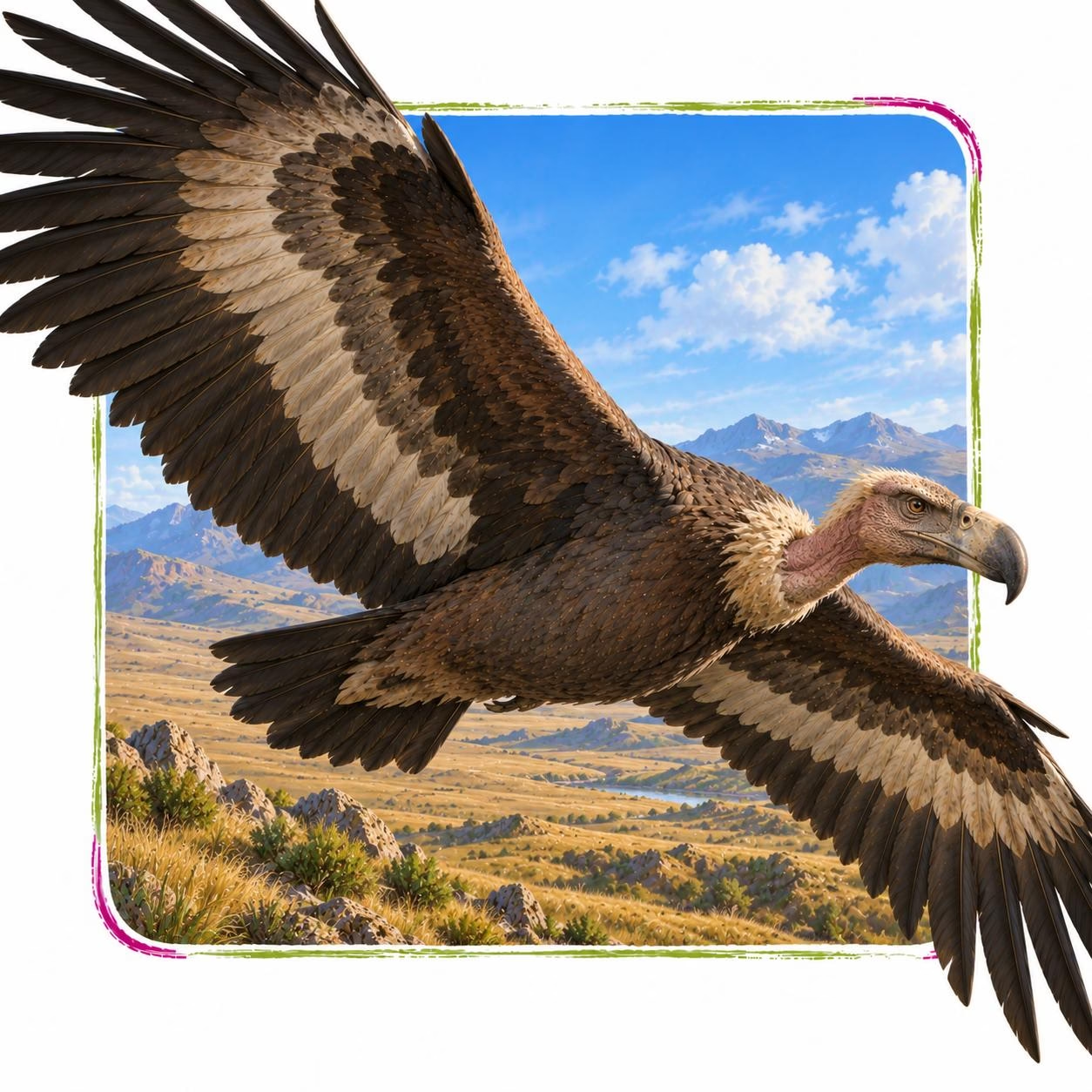
Argentavis in its natural Late Miocene Argentine pampas, open grasslands, foothills, mountain slopes, dry plains, savanna-like habitats, thermal-rich skies, and South American scavenger ecosystems habitat