
Bluebuck Facts for Kids
The Bluebuck, also called the blue antelope, was a recently extinct antelope from South Africa. It was not a dinosaur and not actually bright blue. Its coat looked bluish-gray in some light, and it was related to roan antelopes and sable antelopes.
Quick Bluebuck Facts
- Animal Type: Recently extinct mammal
- Group: Antelope and bovid
- Known For: Blue-gray coat, South African grasslands, backward-curving horns, calves, grazing, few museum specimens, and extinction around 1800
- Lived During: Holocene, until around 1799 or 1800
- Diet: Grasses and other low-growing plants
What You’ll Learn
Discover 10 fascinating bluebuck facts for kids about bluish coats, horns, grazing, South African grasslands, and extinction, with a quiz, glossary, and activity
These facts are explained simply for kids, parents, teachers, and curious little fact-finders.
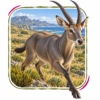
10 Fun Bluebuck Facts for Kids
1. Bluebucks Were Antelopes
Bluebucks were antelopes in the bovid family, which also includes cattle, goats, sheep, and many horned mammals.
Kid Decode: Antelope paperwork, South African grassland style.
2. They Were Not Bright Blue
The name Bluebuck came from the animal’s bluish-gray or slate-colored look, not from cartoon-blue fur.
Kid Decode: No sky-blue antelope here. More smoky gray with a hint of mystery.
3. They Lived in South Africa
Bluebucks lived in the southwestern Cape region of South Africa, especially in open coastal grasslands and shrublands.
Kid Decode: Their whole world was a small slice of grassy Cape country.
4. They Were Related to Roan and Sable Antelopes
Bluebucks belonged to the genus Hippotragus, the same group as roan antelopes and sable antelopes.
Kid Decode: Family reunion: roan, sable, and the lost blue-gray cousin.
5. They Had Curved Horns
Both male and female Bluebucks had horns that curved backward, though details are known from only a few specimens.
Kid Decode: Those horns swept back like the wind was always blowing.
6. They Ate Grass
Bluebucks were herbivores that grazed on grasses and probably other low plants.
Kid Decode: Simple menu: grass, grass, and more Cape grass.
7. Baby Bluebucks Were Calves
Baby Bluebucks can be called calves, like baby antelopes and cattle today.
Kid Decode: A calf would have started wobbly-legged on open grassland.
8. Very Few Specimens Remain
Only a small number of preserved Bluebuck specimens remain in museums, making the animal hard to study.
Kid Decode: Science has to work with a tiny museum treasure chest.
9. It Was One of Africa’s First Recent Mammal Extinctions
The Bluebuck is often described as the first large African mammal known to go extinct in modern historical times.
Kid Decode: A whole continent’s modern extinction warning started with one antelope.
10. It Went Extinct Around 1800
Bluebucks vanished around 1799 or 1800 after hunting, land change, and a small range made them vulnerable.
Kid Decode: The blue-gray antelope disappeared before conservation could even raise its hand.
The Weirdest Bluebuck Fact
The Bluebuck is famous partly because so little of it remains: a few skins, skulls, horns, and a big conservation lesson.
Try This Bluebuck Activity
Bluebuck Drawing Activity
Draw a Bluebuck on a South African coastal grassland. Add bluish-gray fur, backward-curving horns, calf, grasses, Cape shrubs, museum specimen tag, old hunter warning sign, and a “lost blue antelope” label.
Quick Bluebuck Quiz
- Was the Bluebuck a dinosaur? Answer: No, it was an antelope and mammal.
- Where did Bluebucks live? Answer: South Africa.
- Was the Bluebuck bright blue? Answer: No, it had a bluish-gray or slate-colored look.
- What are baby antelopes called? Answer: Calves.
- When did the Bluebuck go extinct? Answer: Around 1799 or 1800.
Mini Glossary
- Antelope: A hoofed mammal in the bovid family, often fast and horned.
- Bovid: A family of hoofed mammals that includes antelopes, cattle, goats, and sheep.
- Herbivore: An animal that eats plants.
- Calf: A baby antelope, cow, bison, or similar mammal.
- Specimen: A preserved animal or plant used for scientific study.
 Moose Facts for Kids
 Egret Facts for Kids
 Earwig Facts for Kids
 Syrian Wild Ass Facts for Kids
More Animal Facts for Kids
Visit the full animal facts library or explore a focused animal group.
More Extinct Animal Facts for Kids
Discover dinosaurs, Ice Age giants, prehistoric sea creatures, recently extinct species, and other animals from the past.
Fact check note: Fact checked with IUCN Bluebuck summaries, paleogenomic Bluebuck research, South African antelope references, and trusted mammal extinction education sources.

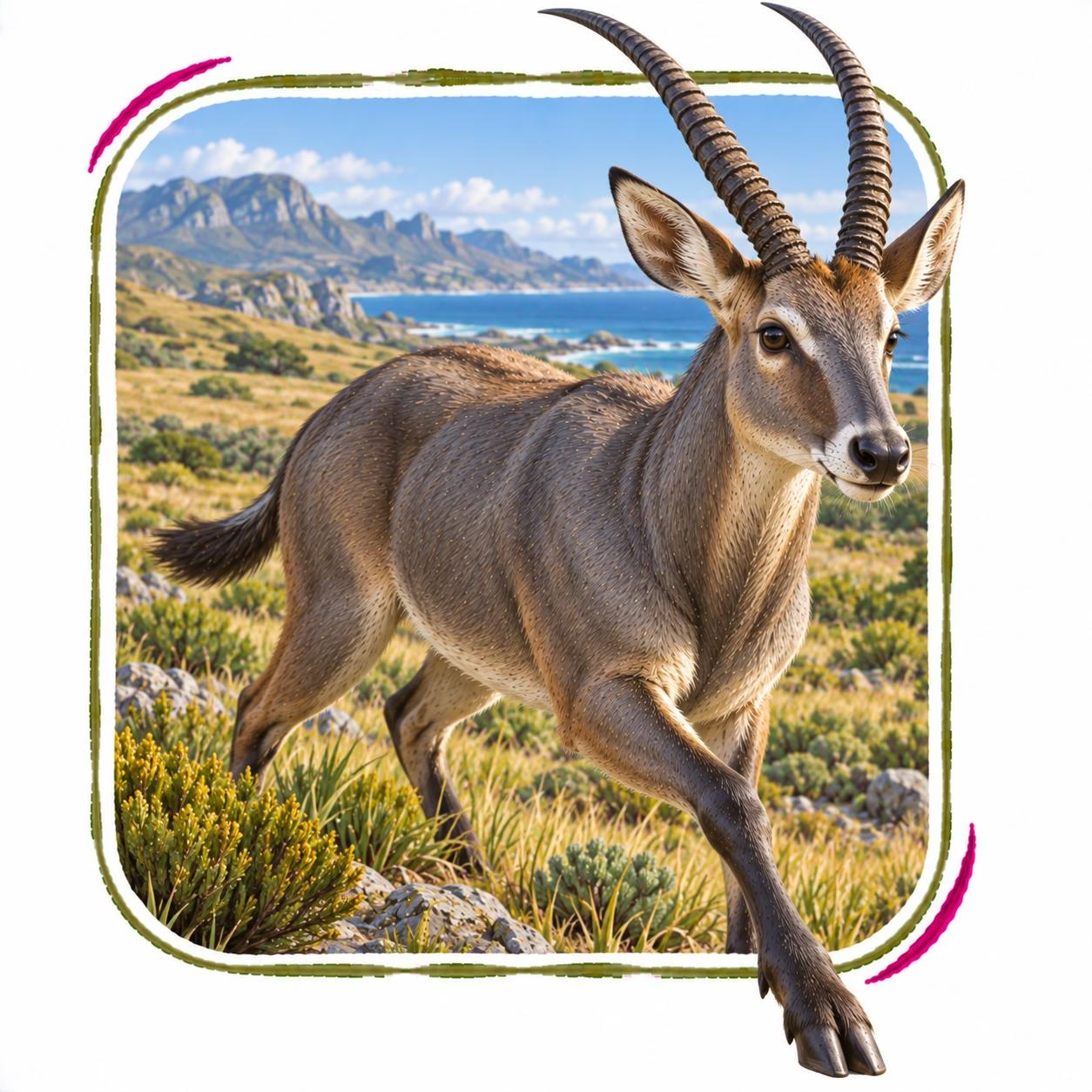
Bluebuck in its natural South African coastal grasslands, Cape shrublands, open plains, grassy fynbos edges, dry grazing habitats, and lowland pastures habitat