
Citipati Facts for Kids
Citipati was a bird-like oviraptorid dinosaur from Late Cretaceous Mongolia. It was not a bird and not an egg thief in the old-fashioned sense. Famous Citipati fossils show adults sitting over nests of eggs in a bird-like brooding posture, helping scientists understand that some dinosaurs guarded their nests much like birds do today.
Quick Citipati Facts
- Animal Type: Feathered theropod dinosaur
- Group: Oviraptorid maniraptoran
- Known For: Brooding eggs, ring-shaped nests, Mongolia fossils, toothless beak, tall crest, likely feathers, hatchlings, Ukhaa Tolgod, and bird-like parental care
- Lived During: Late Cretaceous, about 75 to 71 million years ago
- Diet: Plants, seeds, eggs, shellfish, insects, small animals, and other foods
What You’ll Learn
Explore 10 feathered citipati facts for kids about beaks, feathers, nests, eggs, and life in Cretaceous Mongolia, with a quiz, glossary, and activity
These simple facts are made for kids, parents, teachers, and curious young learners.
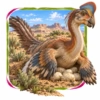
10 Fun Citipati Facts for Kids
1. Citipati Was a Dinosaur
Citipati was a theropod dinosaur, the same large branch that includes raptors, tyrannosaurs, and birds.
Kid Decode: Bird-like, feathered, egg-brooding, still dinosaur.
2. It Was an Oviraptorid
Citipati belonged to Oviraptoridae, a family of beaked, bird-like theropods from Asia.
Kid Decode: Oviraptorid sounds like egg thief, but the story got a major reputation repair.
3. It Brooded Eggs
AMNH explains that Citipati fossils helped show dinosaurs could guard or brood nests in a bird-like way.
Kid Decode: This dinosaur was not raiding the nursery. It may have been parenting.
4. Its Nests Were Arranged in Rings
Oviraptorid eggs were often arranged in circular rings, with space in the middle for the adult to sit and spread its arms over them.
Kid Decode: Prehistoric nest design had geometry and feathers.
5. It Probably Had Feathers
Close relatives and brooding posture suggest Citipati likely had feathers, especially on its arms.
Kid Decode: Those feathered arms may have worked like a dinosaur umbrella for eggs.
6. It Had a Toothless Beak
Citipati had a beak instead of sharp predator teeth.
Kid Decode: Beak first, teeth absent, still very dinosaur.
7. It Had a Tall Crest
Citipati had a high crest on its skull, giving its head a striking profile.
Kid Decode: That crest was the dinosaur version of a fancy hat made of bone.
8. It Lived in Mongolia
Citipati fossils are known from the Djadokhta Formation, including the famous Ukhaa Tolgod locality in Mongolia.
Kid Decode: Ancient Mongolia had dunes, eggs, and fossil nests waiting like buried secrets.
9. Baby Citipati Were Hatchlings
Citipati babies hatched from eggs, so they can be called hatchlings.
Kid Decode: A hatchling under a feathered parent is dinosaur nursery magic.
10. It Changed the Oviraptor Story
Fossils of oviraptorids over eggs helped scientists reinterpret these dinosaurs as parents rather than egg thieves.
Kid Decode: One fossil pose turned a villain label into a parenting clue.
The Weirdest Citipati Fact
Citipati became famous because adults were fossilized sitting over nests, almost like giant Cretaceous birds protecting eggs.
Try This Citipati Activity
Citipati Drawing Activity
Draw Citipati sitting over a nest in Late Cretaceous Mongolia. Add a toothless beak, tall crest, feathered arms, ring-shaped eggs, hatchling clue, sandy dunes, Ukhaa Tolgod fossil tag, and a “brooding oviraptorid” label.
Quick Citipati Quiz
- Was Citipati a dinosaur? Answer: Yes, it was a bird-like theropod dinosaur.
- What dinosaur family did Citipati belong to? Answer: Oviraptoridae.
- Where was Citipati found? Answer: Mongolia.
- What behavior is Citipati famous for? Answer: Brooding or guarding eggs in a nest.
- What were baby Citipati dinosaurs called? Answer: Hatchlings.
Mini Glossary
- Oviraptorid: A bird-like theropod dinosaur family with beaks and often crests.
- Brooding: Sitting over eggs to protect or warm them.
- Maniraptoran: A theropod dinosaur group that includes birds and many close bird-like relatives.
- Hatchling: A baby animal newly hatched from an egg.
- Djadokhta Formation: A Late Cretaceous rock formation in Mongolia famous for dinosaur eggs and fossils.
 Common Seal Facts for Kids
 Hoopoe Facts for Kids
 Quokka Facts for Kids
 Pterodactylus Facts for Kids
More Animal Facts for Kids
Visit the full animal facts library or explore a focused animal group.
More Extinct Animal Facts for Kids
Discover dinosaurs, Ice Age giants, prehistoric sea creatures, recently extinct species, and other animals from the past.
Fact check note: Fact checked with AMNH Citipati nesting notes, AMNH Dinosaur Eggs 101, Carnegie Museum oviraptorid nest explanation, and American Museum Novitates nesting specimen research.

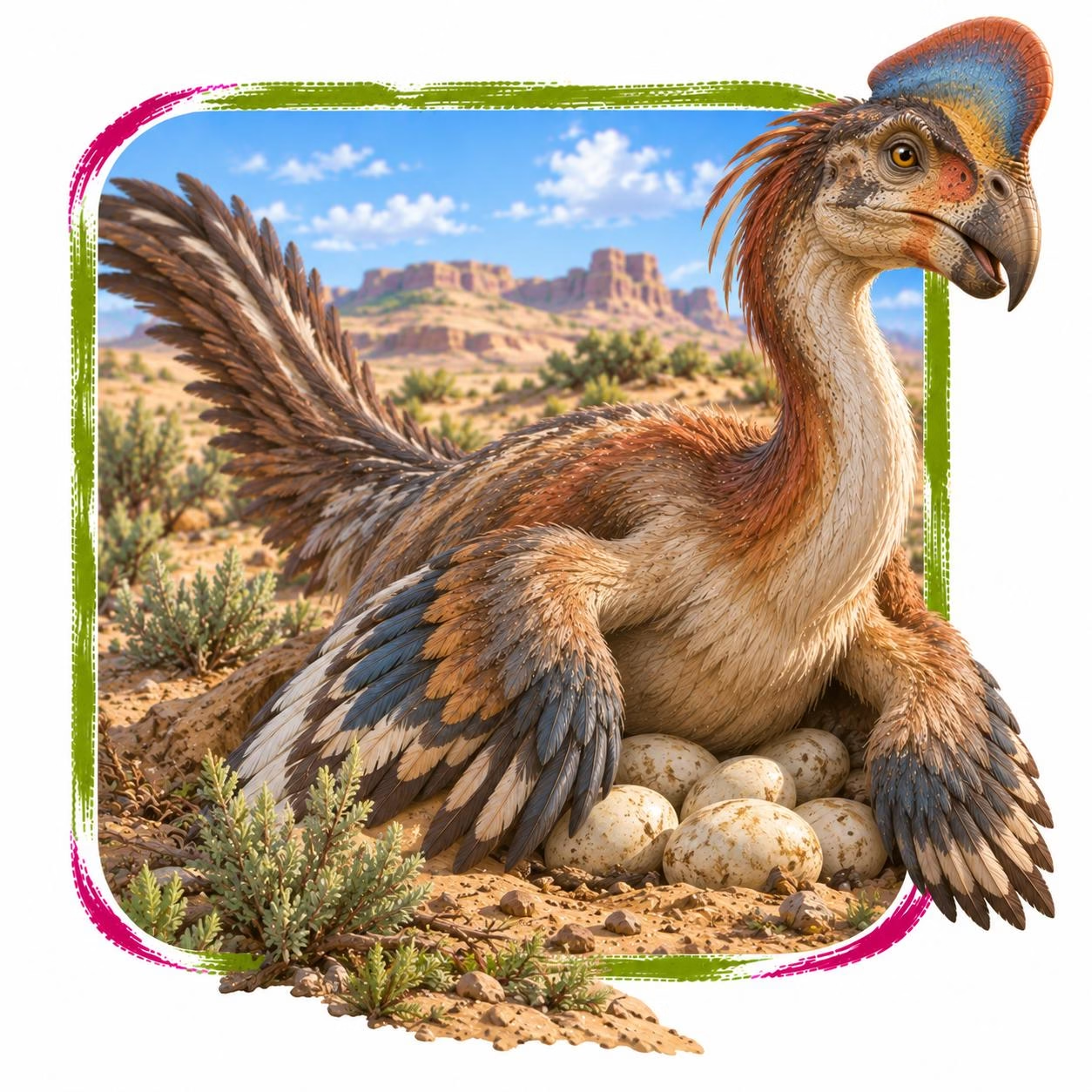
Citipati in its natural Late Cretaceous Mongolian desert dunes, Djadokhta Formation habitats, Ukhaa Tolgod nesting sites, sandy floodplains, dry scrublands, nest colonies, egg-laying grounds, and bird-like dinosaur ecosystems habitat