
Elasmotherium Facts for Kids
Elasmotherium was a giant extinct rhinoceros relative from Ice Age Eurasia. It was not a dinosaur and not a horse, even though its nickname, the Siberian unicorn, sounds magical. Scientists think it lived on open grasslands and may have survived until less than 40,000 years ago.
Quick Elasmotherium Facts
- Animal Type: Extinct mammal
- Group: Rhinoceros relative
- Known For: Huge body, possible giant forehead horn, grazing teeth, Ice Age grasslands, calves, and Siberian unicorn nickname
- Lived During: Pleistocene Epoch
- Diet: Grasses and tough steppe plants
What You’ll Learn
Learn 10 remarkable elasmotherium facts for kids about giant bodies, long legs, grass diets, thick coats, and rhinoceros relatives, plus a quiz, glossary, and activity
Simple explanations make them great for children, families, teachers, and young prehistoric-animal fans.
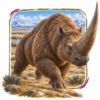
10 Fun Elasmotherium Facts for Kids
1. Elasmotherium Was Not a Dinosaur
Elasmotherium was an Ice Age mammal related to rhinoceroses, not a dinosaur.
Kid Decode: It was rhino paperwork with unicorn rumors.
2. It Was Nicknamed the Siberian Unicorn
Elasmotherium is often called the Siberian unicorn because scientists think it may have had a large single horn on its head.
Kid Decode: Not a fairy-tale horse, more like a giant grassland rhino with drama.
3. The Horn Is Not Usually Preserved
Rhino horns are made mostly of keratin, which rarely fossilizes, so scientists infer the horn from skull features.
Kid Decode: The horn vanished, but the skull left a fossil clue.
4. It Was Huge
Elasmotherium was one of the largest rhinoceros relatives, with a heavy body built for open habitats.
Kid Decode: This was not a dainty unicorn. This was a walking prehistoric boulder.
5. It Ate Grass
Elasmotherium had teeth suited for grazing tough grasses and steppe plants.
Kid Decode: Big horn mystery, very normal grassy lunch.
6. It Lived Across Eurasia
Elasmotherium fossils are known from parts of Eurasia, including areas around Russia, Kazakhstan, and nearby regions.
Kid Decode: Its fossil map stretches across cold open grassland country.
7. Baby Elasmotheriums Were Calves
Baby Elasmotheriums can be called calves, like baby modern rhinos.
Kid Decode: A calf would have started small before growing into rhino-sized legend.
8. It Lived With Ice Age Animals
Elasmotherium shared parts of its world with mammoths, bison, horses, and other Ice Age mammals.
Kid Decode: The neighborhood had tusks, hooves, horns, and frosty grass.
9. It May Have Met Humans
Newer dating suggests some Elasmotherium survived late enough that they may have lived at the same time as modern humans.
Kid Decode: The Siberian unicorn may have overlapped with people, which is a fossil plot twist.
10. It Went Extinct
Elasmotherium disappeared during the Ice Age, likely as habitats, climate, and food sources changed.
Kid Decode: The giant rhino left bones, teeth, and one very famous horn question.
The Weirdest Elasmotherium Fact
Elasmotherium may have looked like a giant one-horned rhinoceros, but its famous unicorn horn is mostly reconstructed from skull clues rather than preserved horn fossils.
Try This Elasmotherium Activity
Elasmotherium Drawing Activity
Draw Elasmotherium walking across an Ice Age steppe. Add a huge rhino body, shaggy fur, one giant horn, grazing teeth close-up, calf, grasses, snow patches, mammoth in the distance, fossil skull clue, and a “Siberian unicorn” label.
Quick Elasmotherium Quiz
- Was Elasmotherium a dinosaur? Answer: No, it was an extinct mammal.
- What modern animals was Elasmotherium related to? Answer: Rhinoceroses.
- What nickname does Elasmotherium have? Answer: The Siberian unicorn.
- What did Elasmotherium eat? Answer: Grasses and tough steppe plants.
- What are baby Elasmotheriums called? Answer: Calves.
Mini Glossary
- Rhinoceros: A large hoofed mammal with thick skin and one or two horns.
- Keratin: The material that makes hair, nails, claws, and rhino horns.
- Grazing: Eating grasses and low plants.
- Calf: A baby rhinoceros, elephant, mammoth, or similar mammal.
- Pleistocene: The Ice Age epoch when many giant mammals lived.
 Insect Facts for Kids
 Limpet Facts for Kids
 Cape Buffalo Facts for Kids
 Amargasaurus Facts for Kids
More Animal Facts for Kids
Visit the full animal facts library or explore a focused animal group.
More Extinct Animal Facts for Kids
Discover dinosaurs, Ice Age giants, prehistoric sea creatures, recently extinct species, and other animals from the past.
Fact check note: Fact checked with Natural History Museum Elasmotherium resources, Siberian unicorn dating research, Ice Age rhinoceros references, and trusted paleontology education sources.

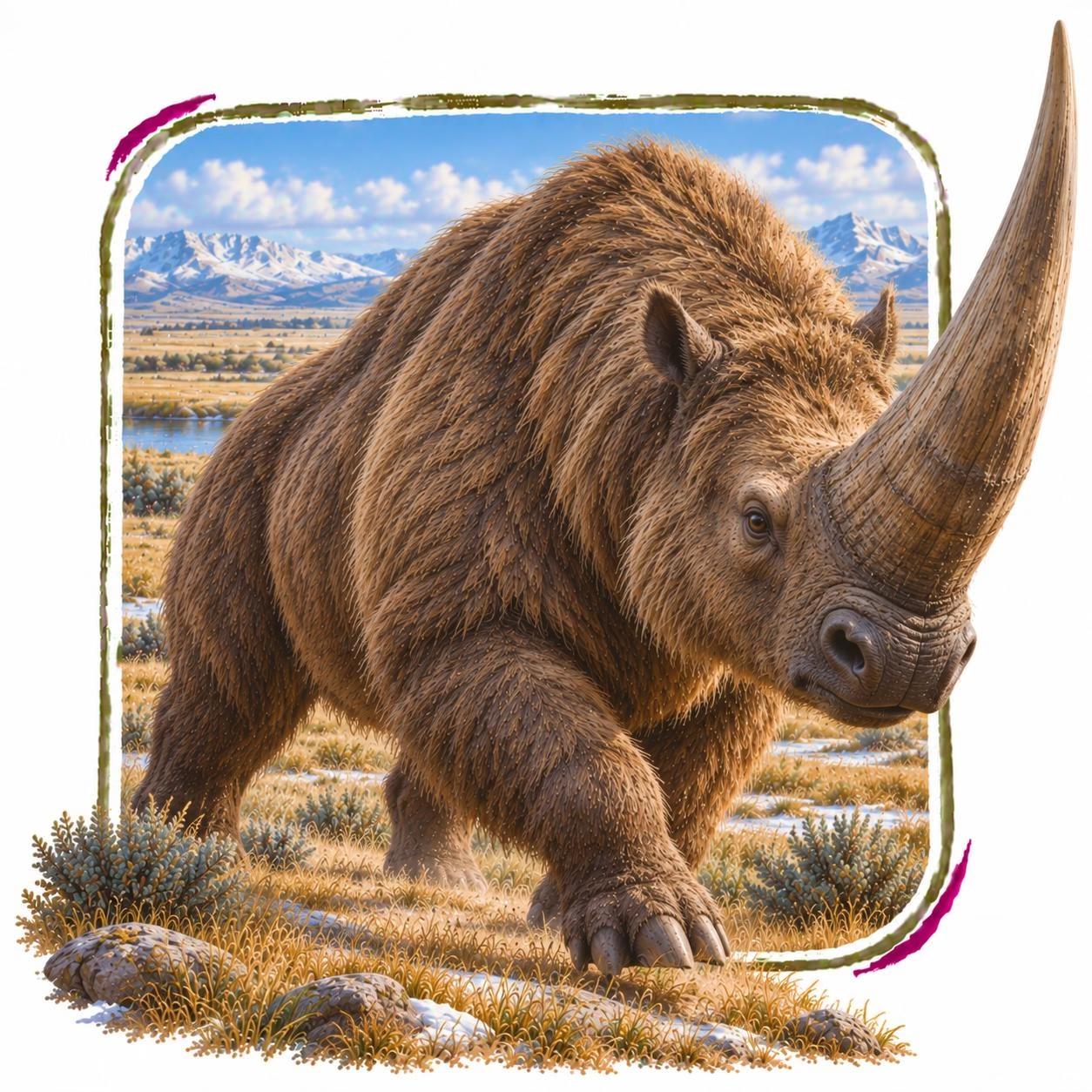
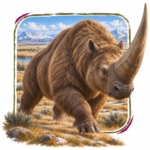
Elasmotherium in its natural Ice Age steppe grasslands, open plains, dry shrublands, river valleys, and cold Eurasian habitats habitat