
Eotriceratops Facts for Kids
Eotriceratops was a huge horned dinosaur from Late Cretaceous Alberta. It was not exactly Triceratops, but it was a close relative and may have been near the early part of the Triceratops group. Its name means dawn three-horned face, and its fossils were found at Dry Island Buffalo Jump Provincial Park.
Quick Eotriceratops Facts
- Animal Type: Horned dinosaur
- Group: Chasmosaurine ceratopsid
- Known For: Dawn three-horned face name, large brow horns, solid frill, Alberta fossils, Dry Island discovery, hatchlings, plant diet, and close Triceratops relationship
- Lived During: Late Cretaceous, about 69 to 68 million years ago
- Diet: Ferns, cycads, flowering plants, conifers, shrubs, and other low vegetation
What You’ll Learn
Explore 10 giant eotriceratops facts for kids about its three horns, huge frill, strong body, plant diet, and Cretaceous life, plus a quiz, glossary, and activity
Easy explanations make them great for children, families, teachers, and young nature explorers.
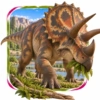
10 Fun Eotriceratops Facts for Kids
1. Eotriceratops Was a Dinosaur
Eotriceratops was a ceratopsian dinosaur, part of the horned-face plant-eating group.
Kid Decode: Three-horned style, leaf-powered life.
2. Its Name Means Dawn Three-Horned Face
Eotriceratops means dawn Triceratops or dawn three-horned face, because it was an early relative of the Triceratops group.
Kid Decode: It is the morning-bell version of Triceratops fame.
3. It Lived in Alberta
Eotriceratops was found in southern Alberta, Canada, in the Horseshoe Canyon Formation.
Kid Decode: Alberta kept this giant horned face tucked in the rocks.
4. It Was Found at Dry Island
The species name xerinsularis refers to Dry Island Buffalo Jump Provincial Park, where the fossil was collected.
Kid Decode: Dry Island gave science a very large skull surprise.
5. It Had Big Brow Horns
Eotriceratops had large horns above its eyes, similar to later Triceratops relatives.
Kid Decode: Those horns were not subtle. They were skull punctuation.
6. It Had a Solid Frill
Royal Tyrrell notes describe Eotriceratops with a solid frill, unlike horned dinosaurs with big holes in the frill.
Kid Decode: A solid frill is basically a bony backboard for the head.
7. It Was a Plant Eater
Like other ceratopsians, Eotriceratops used a strong beak and cheek teeth to eat tough plants.
Kid Decode: The horns looked dramatic, but the lunch was mostly green.
8. It Was Big
The Alberta release called it the largest distinct horned dinosaur known in Alberta at the time of discovery.
Kid Decode: Big face, big body, big fossil headline.
9. Baby Eotriceratops Were Hatchlings
Eotriceratops dinosaurs hatched from eggs, so babies can be called hatchlings.
Kid Decode: A hatchling horned dinosaur started tiny before growing a heavyweight skull.
10. It Helps Explain Triceratops Relatives
Eotriceratops helps scientists study the latest Cretaceous history of Triceratops-like dinosaurs in North America.
Kid Decode: It is a family-tree breadcrumb near the famous three-horned giant.
The Weirdest Eotriceratops Fact
Eotriceratops was discovered at a site already famous for Albertosaurus bones, but it turned out to be a key horned dinosaur clue.
Try This Eotriceratops Activity
Eotriceratops Drawing Activity
Draw Eotriceratops in Late Cretaceous Alberta. Add two large brow horns, a small nose horn, solid frill, parrot-like beak, hatchling egg clue, low plants, Dry Island fossil tag, and a “dawn three-horned face” label.
Quick Eotriceratops Quiz
- Was Eotriceratops a dinosaur? Answer: Yes, it was a horned ceratopsian dinosaur.
- What does Eotriceratops mean? Answer: Dawn three-horned face.
- Where was Eotriceratops found? Answer: Alberta, Canada.
- What park is linked to its species name? Answer: Dry Island Buffalo Jump Provincial Park.
- What did Eotriceratops eat? Answer: Plants such as ferns, cycads, flowering plants, conifers, and shrubs.
Mini Glossary
- Ceratopsian: A beaked dinosaur group that includes horned dinosaurs.
- Chasmosaurine: A ceratopsid branch often known for long frills and big brow horns.
- Frill: A bony shield-like structure at the back of the skull.
- Hatchling: A baby animal newly hatched from an egg.
- Horseshoe Canyon Formation: A Late Cretaceous rock formation in Alberta with dinosaur fossils.
 Stingray Facts for Kids
 Elephant Facts for Kids
 Asiatic Black Bear Facts for Kids
 Titanoboa Facts for Kids
More Animal Facts for Kids
Visit the full animal facts library or explore a focused animal group.
More Extinct Animal Facts for Kids
Discover dinosaurs, Ice Age giants, prehistoric sea creatures, recently extinct species, and other animals from the past.
Fact check note: Fact checked with Royal Tyrrell and Alberta discovery release, Eotriceratops naming summaries, Horseshoe Canyon Formation references, and trusted horned dinosaur education sources.

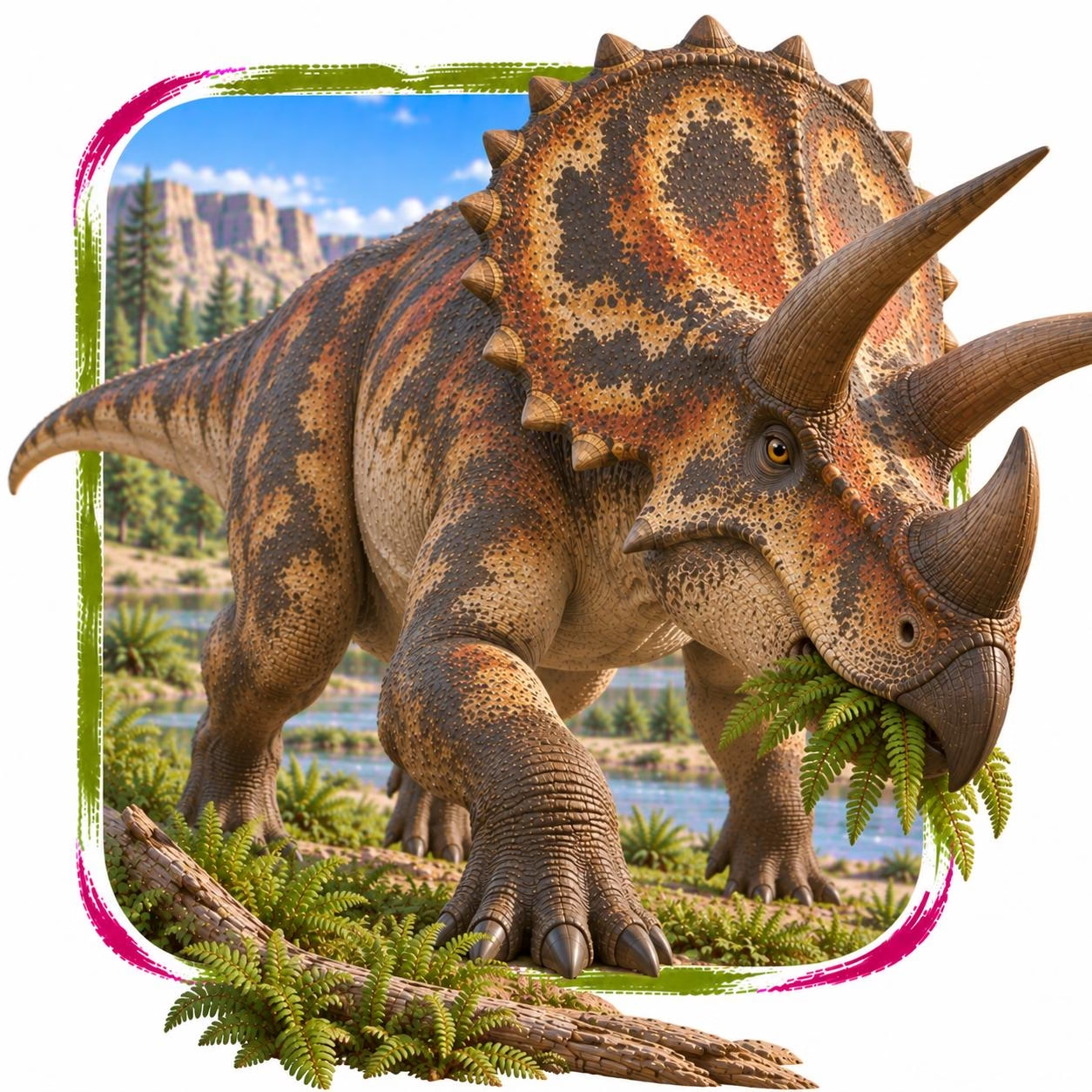
Eotriceratops in its natural Late Cretaceous Alberta floodplains, Horseshoe Canyon Formation habitats, Dry Island Buffalo Jump fossil area, river channels, forest edges, coastal plain lowlands, low vegetation zones, and Triceratops-group ecosystems habitat