
Genyornis Facts for Kids
Genyornis was a giant extinct flightless bird from Pleistocene Australia. It was not a dinosaur and not an emu, though it lived in the same country as modern emus. Genyornis newtoni was the last known mihirung, or thunder bird, and may have stood over 2 metres tall before disappearing around 45,000 to 50,000 years ago.
Quick Genyornis Facts
- Animal Type: Prehistoric flightless bird
- Group: Mihirung and dromornithid thunder bird
- Known For: Huge body, tiny wings, strong legs, giant eggs, chicks, wetland edges, plant eating, human egg use evidence, and Ice Age extinction
- Lived During: Pleistocene
- Diet: Leaves, fruits, reeds, shrubs, and other plant foods
What You’ll Learn
Learn 10 giant genyornis facts for kids about flightlessness, huge legs, giant eggs, Australian habitats, and prehistoric life, plus a quiz, glossary, and activity
Simple explanations make them fun for children, families, teachers, and young fossil explorers.
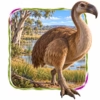
10 Fun Genyornis Facts for Kids
1. Genyornis Was a Bird
Genyornis was a real bird, not a dinosaur, mammal, or monster from a story.
Kid Decode: It was a bird, but the kind that makes normal chickens look like pocket lint.
2. It Could Not Fly
Genyornis had tiny wings and a heavy body, so it was a flightless bird.
Kid Decode: No takeoff, no soaring, just giant thunder-bird walking power.
3. It Was a Mihirung
Genyornis belonged to the dromornithids, extinct Australian birds also called mihirungs or thunder birds.
Kid Decode: Mihirung sounds like a bird name with storm clouds inside it.
4. It Was More Like Giant Fowl Than an Emu
Scientists do not think Genyornis was a giant emu. It was closer to ancient fowl relatives, near the duck and chicken side of bird evolution.
Kid Decode: Looks can trick us. This giant bird was not just an oversized emu.
5. It Lived in Australia
Genyornis fossils are known from Australian Pleistocene sites, including places in South Australia and New South Wales.
Kid Decode: Ancient Australia had giant birds walking through real landscapes.
6. It Was Heavily Built
Genyornis had a large body, strong hind legs, and a deep skull with a powerful beak.
Kid Decode: This bird was built like a walking feathery battering ram.
7. It Likely Ate Plants
Many scientists think Genyornis fed mostly on plant foods such as leaves, fruits, reeds, and shrubs, especially near wetlands.
Kid Decode: Its dinner was probably more wetland salad than meat feast.
8. It Laid Huge Eggs
Eggshell evidence shows that Genyornis laid very large eggs, and some burned eggshells suggest early humans collected or cooked them.
Kid Decode: The eggs were so important that they became part of the extinction detective case.
9. Baby Genyornis Were Chicks
Baby Genyornis can be called chicks, like baby birds today.
Kid Decode: A chick that could grow into a giant thunder bird is a nursery story with giant footsteps.
10. It Went Extinct in the Ice Age
Genyornis vanished in the Late Pleistocene, around the same broad time many Australian megafauna disappeared.
Kid Decode: The thunder bird left behind bones, eggshells, and a lot of scientific argument.
The Weirdest Genyornis Fact
Burned eggshell pieces may show that people collected Genyornis eggs, making its giant eggs one of the clearest clues of human contact with Australian megafauna.
Try This Genyornis Activity
Genyornis Drawing Activity
Draw Genyornis near an Ice Age Australian wetland. Add a huge body, tiny wings, strong legs, giant eggs, chick, reeds, fruits, footprints, burned eggshell clue, and a “last mihirung” label.
Quick Genyornis Quiz
- Was Genyornis a dinosaur? Answer: No, it was a bird.
- Could Genyornis fly? Answer: No, it was flightless.
- What bird group did it belong to? Answer: The mihirungs, or dromornithid thunder birds.
- What did Genyornis likely eat? Answer: Mostly plant foods such as leaves, fruits, reeds, and shrubs.
- What important clue did it leave behind? Answer: Huge eggshell fragments, some with burning marks.
Mini Glossary
- Mihirung: A name used for Australia’s extinct giant flightless thunder birds.
- Dromornithid: A member of an extinct family of huge Australian flightless birds.
- Flightless: Unable to fly.
- Chick: A baby bird.
- Pleistocene: An Ice Age time period when many giant animals lived.
 Snowshoe Hare Facts for Kids
 Badger Facts for Kids
 Luna Moth Facts for Kids
 Litopterna Facts for Kids
More Animal Facts for Kids
Visit the full animal facts library or explore a focused animal group.
More Extinct Animal Facts for Kids
Discover dinosaurs, Ice Age giants, prehistoric sea creatures, recently extinct species, and other animals from the past.
Fact check note: Fact checked with Australian Museum Genyornis notes, Natural History Museum eggshell research summary, Science eggshell research, and trusted Australian megafauna education sources.

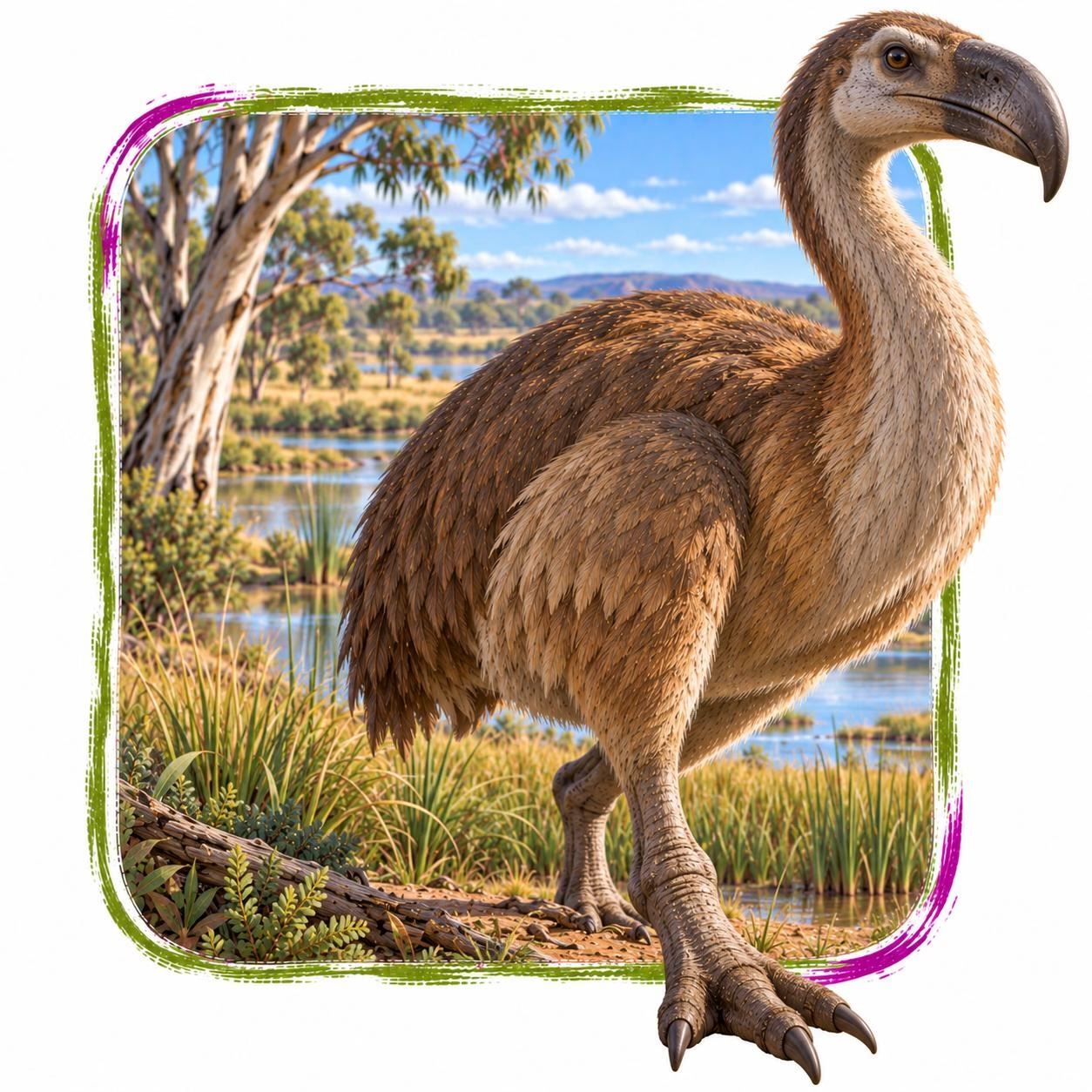
Genyornis in its natural Pleistocene Australian wetlands, lake margins, river edges, open woodlands, shrublands, grassy plains, reed beds, and megafauna habitats habitat