
Gigantopithecus Facts for Kids
Gigantopithecus was a giant extinct ape from Pleistocene southern China. It was not a dinosaur, gorilla, or Bigfoot, though it may have been the largest primate ever known. Scientists mostly know it from jaws and thousands of teeth, so its full body is reconstructed carefully from clues rather than a complete skeleton.
Quick Gigantopithecus Facts
- Animal Type: Prehistoric ape
- Group: Great ape and pongine relative
- Known For: Largest known primate, huge teeth and jaws, southern China caves, orangutan-side relatives, young, forest diet, environmental stress, and middle Pleistocene extinction
- Lived During: Pleistocene, about 2 million to 215,000 or 295,000 years ago
- Diet: Fruits, leaves, bark, roots, grasses, and other forest plants
What You’ll Learn
Explore 10 giant gigantopithecus facts for kids about enormous size, powerful jaws, forest life, plant foods, and ancient Asia, plus a quiz, glossary, and activity
Clear explanations make these facts great for children, families, teachers, and young explorers.
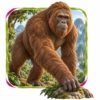
10 Fun Gigantopithecus Facts for Kids
1. Gigantopithecus Was an Ape
Gigantopithecus was a prehistoric great ape, not a dinosaur, bear, or giant human.
Kid Decode: Ape yes, movie monster no.
2. It Was the Largest Known Primate
Gigantopithecus blacki is widely described as the largest primate known from the fossil record.
Kid Decode: That is the heavyweight crown of the primate family tree.
3. It Lived in Southern China
Fossils are known from cave deposits in southern China, especially teeth and jaw fragments.
Kid Decode: One cave tooth can open a whole giant-ape mystery box.
4. It Is Known Mostly From Teeth and Jaws
Scientists do not have a complete skeleton, so body size, posture, and exact appearance remain partly uncertain.
Kid Decode: No full body means every reconstruction needs a caution sticker.
5. It Was Related to Orangutans
Protein evidence and anatomy place Gigantopithecus on the orangutan side of the great ape family tree.
Kid Decode: Think distant orangutan-side cousin, not huge gorilla copy.
6. It Had Huge Teeth
Gigantopithecus had very large molars and jaws suited for processing tough plant foods.
Kid Decode: Its teeth were basically plant-grinding boulders.
7. It Ate Forest Plants
Tooth studies suggest it relied on forest foods such as fruit, leaves, roots, bark, and other vegetation.
Kid Decode: The giant ape was powered by plants, not prey.
8. Baby Gigantopithecus Were Young
Baby Gigantopithecus can be called young or infants because it was an ape.
Kid Decode: A giant ape still begins as a small ape baby.
9. It Struggled With Changing Habitats
Recent research suggests seasonal, changing forests made favorite foods scarcer, while Gigantopithecus was less flexible than some other apes.
Kid Decode: Big size can be a superpower until the menu changes.
10. It Went Extinct in the Middle Pleistocene
Dating studies suggest Gigantopithecus vanished between about 295,000 and 215,000 years ago.
Kid Decode: The biggest ape disappeared, but its teeth kept the story chewing.
The Weirdest Gigantopithecus Fact
Gigantopithecus may have been the largest primate ever, yet scientists know it mostly from teeth and jaws, not a complete skeleton.
Try This Gigantopithecus Activity
Gigantopithecus Drawing Activity
Draw Gigantopithecus in a Pleistocene southern China forest. Add a huge ape body, big molar icon, jaw fossil, young ape clue, fruit, leaves, bark, cave fossil tag, orangutan cousin symbol, and a “largest known primate” label.
Quick Gigantopithecus Quiz
- Was Gigantopithecus a dinosaur? Answer: No, it was a prehistoric ape.
- Where did Gigantopithecus live? Answer: Southern China.
- What fossils are most common for Gigantopithecus? Answer: Teeth and jaws.
- Which living ape was it most closely related to? Answer: Orangutans and their relatives.
- What did Gigantopithecus eat? Answer: Forest plants such as fruits, leaves, roots, bark, and grasses.
Mini Glossary
- Primate: A mammal group that includes lemurs, monkeys, apes, and humans.
- Great Ape: A tailless ape group that includes orangutans, gorillas, chimpanzees, bonobos, humans, and extinct relatives.
- Pongine: The orangutan side of the great ape family tree.
- Molar: A back tooth used for grinding food.
- Pleistocene: An Ice Age time period when many large mammals lived.
 Peacock Spider Facts for Kids
 Monarch Butterfly Facts for Kids
 Mudpuppy Facts for Kids
 Gallimimus Facts for Kids
More Animal Facts for Kids
Visit the full animal facts library or explore a focused animal group.
More Extinct Animal Facts for Kids
Discover dinosaurs, Ice Age giants, prehistoric sea creatures, recently extinct species, and other animals from the past.
Fact check note: Fact checked with Nature 2024 extinction research, Gigantopithecus fossil and dating summaries, orangutan-relative evidence, and trusted prehistoric primate education sources.

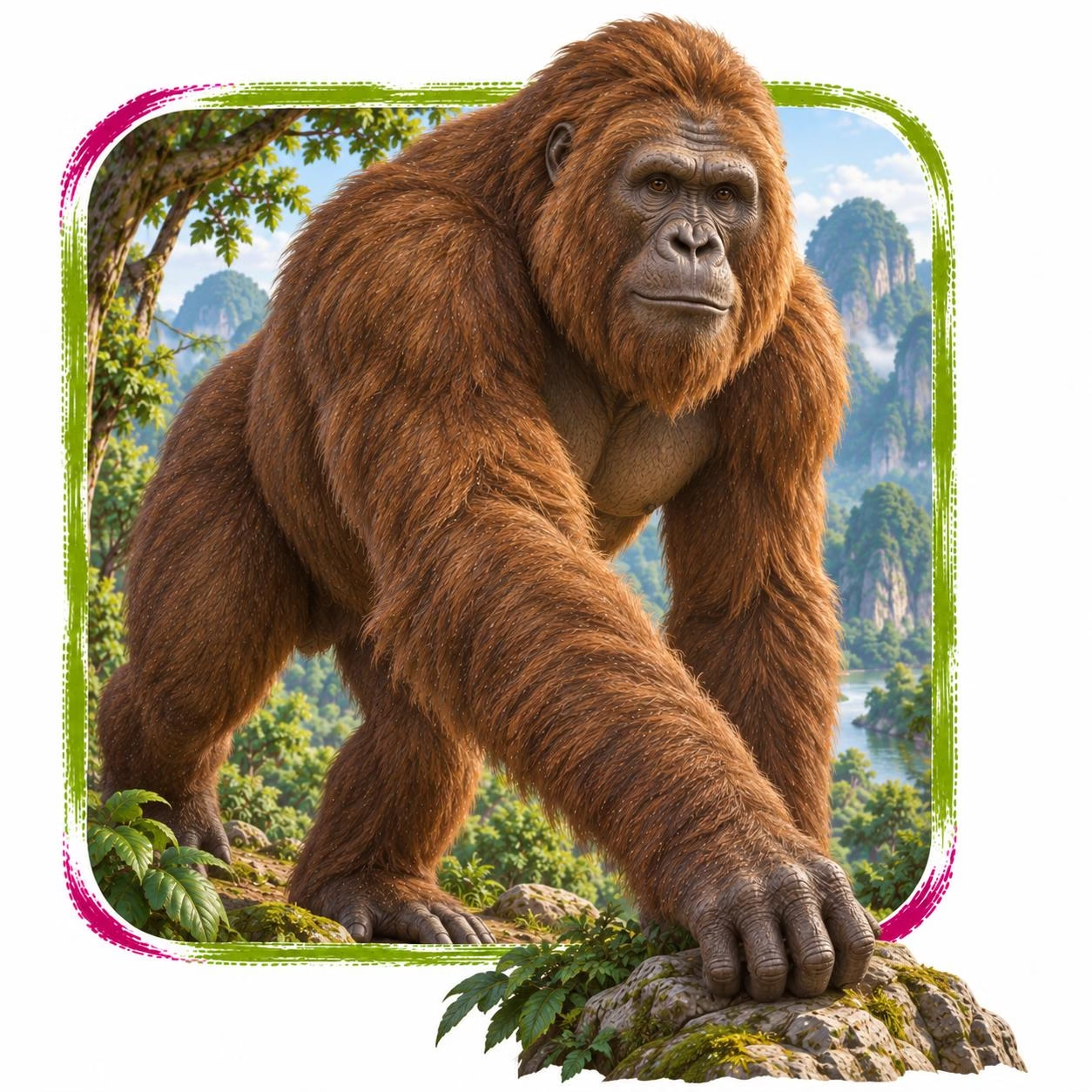
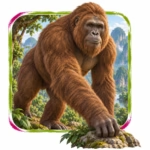
Gigantopithecus in its natural Pleistocene southern Chinese subtropical forests, karst cave regions, Guangxi forest mosaics, seasonal woodland habitats, fruiting forest patches, river valleys, limestone landscapes, and changing Ice Age ecosystems habitat