
Livyatan Facts for Kids
Livyatan was a gigantic extinct sperm whale relative from the Miocene seas. It was not a dinosaur and not the same as a modern sperm whale. Livyatan melvillei had massive upper and lower teeth, a huge skull, and likely hunted large marine animals, making it one of the ocean’s most powerful prehistoric predators.
Quick Livyatan Facts
- Animal Type: Prehistoric whale
- Group: Macroraptorial sperm whale relative
- Known For: Huge skull, giant teeth, Peru Pisco Formation fossil, Herman Melville name, pups, large whale prey, spermaceti organ, and possible megalodon competition
- Lived During: Miocene, roughly 12 to 9 million years ago for famous fossils and related records
- Diet: Whales, seals, dolphins, large fish, sharks, and other marine vertebrates
What You’ll Learn
Discover 10 incredible livyatan facts for kids about giant teeth, powerful jaws, whale hunting, ocean life, and prehistoric seas, plus a quiz, glossary, and activity
These simple facts are made for kids, parents, teachers, and curious little fact-hunters.
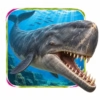
10 Fun Livyatan Facts for Kids
1. Livyatan Was a Whale
Livyatan was a prehistoric whale, not a dinosaur, reptile, or shark.
Kid Decode: It was a whale with teeth big enough to make the ocean nervous.
2. It Was a Sperm Whale Relative
Livyatan belonged to the sperm whale side of the whale family tree, but it was very different from living sperm whales.
Kid Decode: Modern sperm whales chase squid. Livyatan brought the big bite plan.
3. It Had Giant Teeth
Livyatan had huge functional teeth in both the upper and lower jaws, with some roots more than 36 centimetres long.
Kid Decode: These were not tiny pegs. These were sea-monster steak knives.
4. It Was Found in Peru
The famous skull of Livyatan melvillei was found in the Pisco Formation of Peru.
Kid Decode: A Peruvian desert preserved a whale from an ancient ocean. Excellent plot twist.
5. Its Skull Was About 3 Metres Long
The original description reported a skull about 3 metres long with powerful jaws.
Kid Decode: That is a head the length of a small room.
6. It Was Named for Moby-Dick
The species name melvillei honors Herman Melville, who wrote Moby-Dick.
Kid Decode: A fossil whale got a literary sea-monster name with extra drama.
7. It Was a Macroraptorial Predator
Livyatan was likely a macroraptorial predator, meaning it hunted large prey using powerful jaws and teeth.
Kid Decode: Basically, this whale did not sip soup. It grabbed big animals.
8. It May Have Hunted Other Whales
Scientists think Livyatan could have preyed on medium-sized baleen whales and other marine mammals.
Kid Decode: In the Miocene sea, whales could be hunters and hunted.
9. Baby Livyatans Were Pups
Baby Livyatans can be called pups because living whales and dolphins use that baby name.
Kid Decode: A pup from this species had a giant-toothed future ahead.
10. It Shared Seas With Megalodon
Livyatan lived in a time when giant sharks such as megalodon also hunted the oceans, so they may have competed for similar prey.
Kid Decode: The Miocene ocean had two heavyweight predators on the menu map.
The Weirdest Livyatan Fact
Livyatan was a sperm whale relative with huge upper teeth, unlike modern sperm whales that mostly lack functional upper teeth and often feed by suction.
Try This Livyatan Activity
Livyatan Drawing Activity
Draw Livyatan in a Miocene ocean. Add a huge square head, giant upper and lower teeth, pup clue, baleen whale silhouette, megalodon shadow, Pisco Formation fossil tag, spermaceti icon, and a “giant raptorial sperm whale” label.
Quick Livyatan Quiz
- Was Livyatan a dinosaur? Answer: No, it was a prehistoric whale.
- What modern whale group was it related to? Answer: Sperm whales.
- Where was the famous Livyatan skull found? Answer: Peru.
- What did Livyatan likely hunt? Answer: Large marine animals, including other whales.
- Who does the species name melvillei honor? Answer: Herman Melville, author of Moby-Dick.
Mini Glossary
- Macroraptorial: Hunting large prey with powerful jaws and teeth.
- Sperm Whale: A toothed whale group that includes the living sperm whale and extinct relatives.
- Pisco Formation: A fossil-rich rock formation in Peru.
- Pup: A baby whale or dolphin.
- Miocene: A time period after the dinosaurs when many modern-looking mammals lived.

 Binturong Facts for Kids
 Sheep Facts for Kids
 Whirligig Beetle Facts for Kids
 Norfolk Kaka Facts for Kids
More Animal Facts for Kids
Visit the full animal facts library or explore a focused animal group.
More Extinct Animal Facts for Kids
Discover dinosaurs, Ice Age giants, prehistoric sea creatures, recently extinct species, and other animals from the past.
Fact check note: Fact checked with Nature Livyatan original description, New York Tech Livyatan family-tree page, PubMed abstract, and trusted Miocene whale education sources.

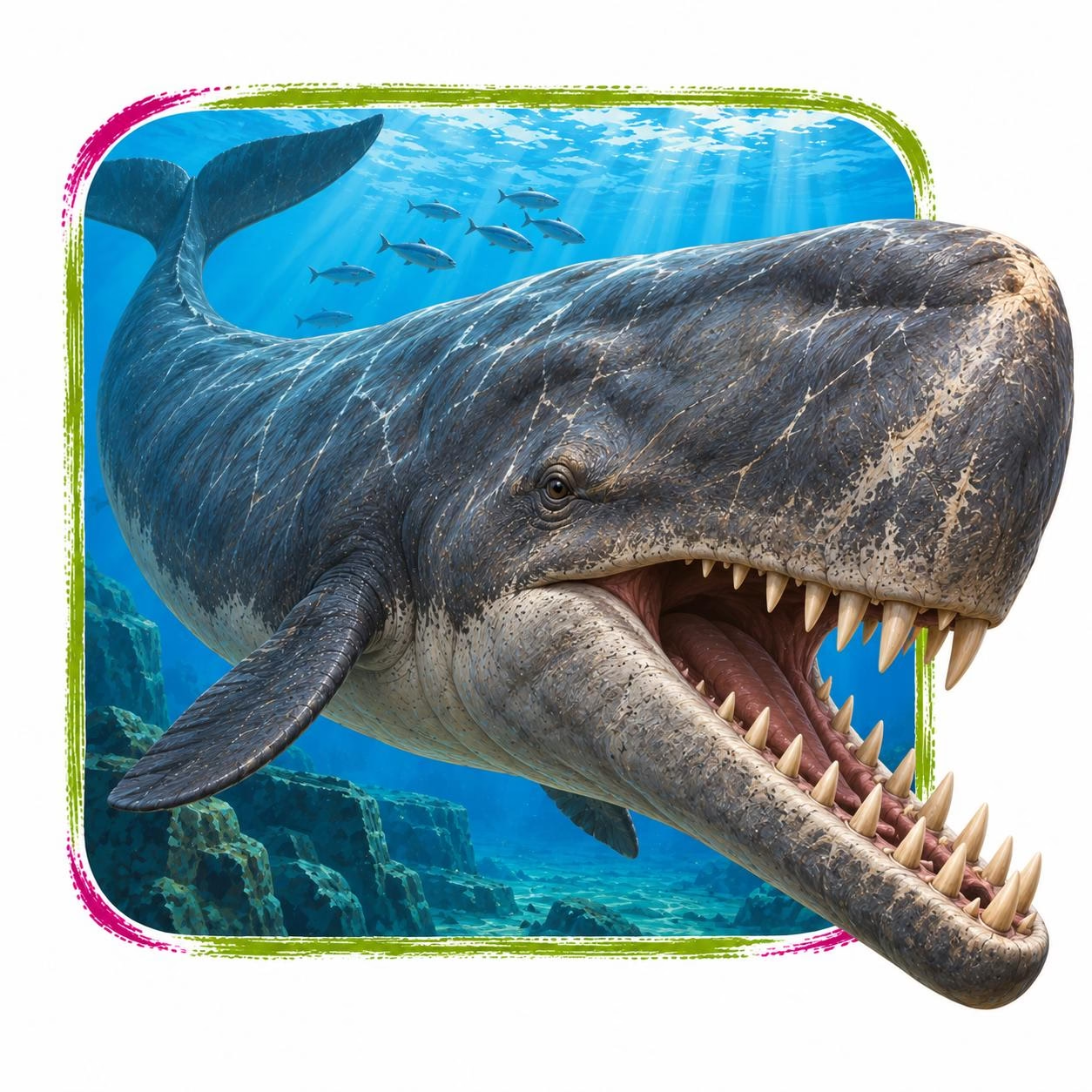
Livyatan in its natural Miocene Pacific coastal seas, Pisco Formation marine habitats, Peruvian ocean waters, open ocean hunting zones, whale-rich feeding areas, shark-rich ecosystems, coastal upwelling waters, and large marine predator habitats habitat