
Megaloceros Facts for Kids
Megaloceros was a genus of giant deer from the Ice Age. Its most famous species, Megaloceros giganteus, is often called the Irish elk or giant deer, but it was not a true modern elk. Male Megaloceros are famous for enormous antlers that spread wider than almost any deer antlers known.
Quick Megaloceros Facts
- Animal Type: Extinct mammal
- Group: Giant deer
- Known For: Huge antlers, tall body, Ice Age grasslands, cave art, calves, Eurasian fossils, and giant deer fame
- Lived During: Pleistocene to early Holocene
- Diet: Grasses, herbs, shrubs, leaves, and other plants
What You’ll Learn
Discover 10 impressive megaloceros facts for kids about enormous antlers, deer-like bodies, grazing, Ice Age habitats, and migration, plus a quiz, glossary, and activity
Clear explanations make them fun for children, families, teachers, and little fact-hunters.
10 Fun Megaloceros Facts for Kids
1. Megaloceros Was Not a Dinosaur
Megaloceros was a mammal and a giant deer, not a dinosaur.
Kid Decode: It belonged to the Ice Age deer department, where antlers got ambitious.
2. Its Name Means Great Horn
The name Megaloceros means great horn, a very sensible name for an animal with huge antlers.
Kid Decode: Some fossil names need no extra poetry. This one brought its own antlers.
3. It Was Not a True Elk
Megaloceros giganteus is often called the Irish elk, but it was actually a giant deer and not the same as modern North American elk.
Kid Decode: The nickname is famous, but the deer paperwork says otherwise.
4. Males Had Enormous Antlers
Male Megaloceros had some of the largest antlers ever seen on a deer.
Kid Decode: Those antlers were less “headgear” and more “forest chandelier.”
5. It Was Tall and Powerful
Megaloceros was a large deer, around horse-sized in many reconstructions.
Kid Decode: This was not a dainty deer tiptoeing through daisies.
6. It Ate Plants
Megaloceros was a herbivore that ate grasses, herbs, shrubs, leaves, and other plant foods.
Kid Decode: Big antlers, plant-powered engine.
7. It Lived Across Eurasia
Megaloceros fossils are known from Ireland and many other parts of Europe and Asia.
Kid Decode: The name says Irish elk, but the fossil map spreads much wider.
8. It Appeared in Ancient Art
Giant deer appear in Ice Age cave art, showing that ancient people noticed these impressive animals.
Kid Decode: Prehistoric artists knew those antlers deserved wall space.
9. Baby Megaloceros Were Calves
Baby Megaloceros can be called calves, like baby deer, elk, and moose.
Kid Decode: A calf began small, even in a family famous for enormous antlers.
10. It Went Extinct
Megaloceros disappeared after the Ice Age, likely because of changing habitats, climate pressures, and human impacts.
Kid Decode: The great horns vanished, but fossil antlers kept the story wide open.
The Weirdest Megaloceros Fact
Megaloceros had antlers so huge that a grown person could stand between the tips in many reconstructions.
Try This Megaloceros Activity
Megaloceros Drawing Activity
Draw Megaloceros standing in an Ice Age grassland. Add huge wide antlers, tall legs, calf, grasses, shrubs, cave art clue, fossil antler, snow patches, ancient humans in the distance, and a “great horn” label.
Quick Megaloceros Quiz
- Was Megaloceros a dinosaur? Answer: No, it was an extinct mammal.
- What does Megaloceros mean? Answer: Great horn.
- Was Megaloceros a true modern elk? Answer: No, it was a giant deer.
- What body part made male Megaloceros famous? Answer: Huge antlers.
- What are baby Megaloceros called? Answer: Calves.
Mini Glossary
- Giant Deer: A common name for Megaloceros giganteus, the famous Irish elk.
- Antler: A bony head growth found on deer that is usually shed and regrown.
- Herbivore: An animal that eats plants.
- Calf: A baby deer, elk, moose, bison, or similar mammal.
- Holocene: The time period after the last Ice Age, including today.
 African Wild Dog Facts for Kids
 Tawny Frogmouth Facts for Kids
 Japanese Spider Crab Facts for Kids
 Titanichthys Facts for Kids
More Animal Facts for Kids
Visit the full animal facts library or explore a focused animal group.
More Extinct Animal Facts for Kids
Discover dinosaurs, Ice Age giants, prehistoric sea creatures, recently extinct species, and other animals from the past.
Fact check note: Fact checked with Natural History Museum Irish elk and giant deer resources, National Museum of Ireland Megaloceros notes, giant deer fossil references, and trusted paleontology education sources.

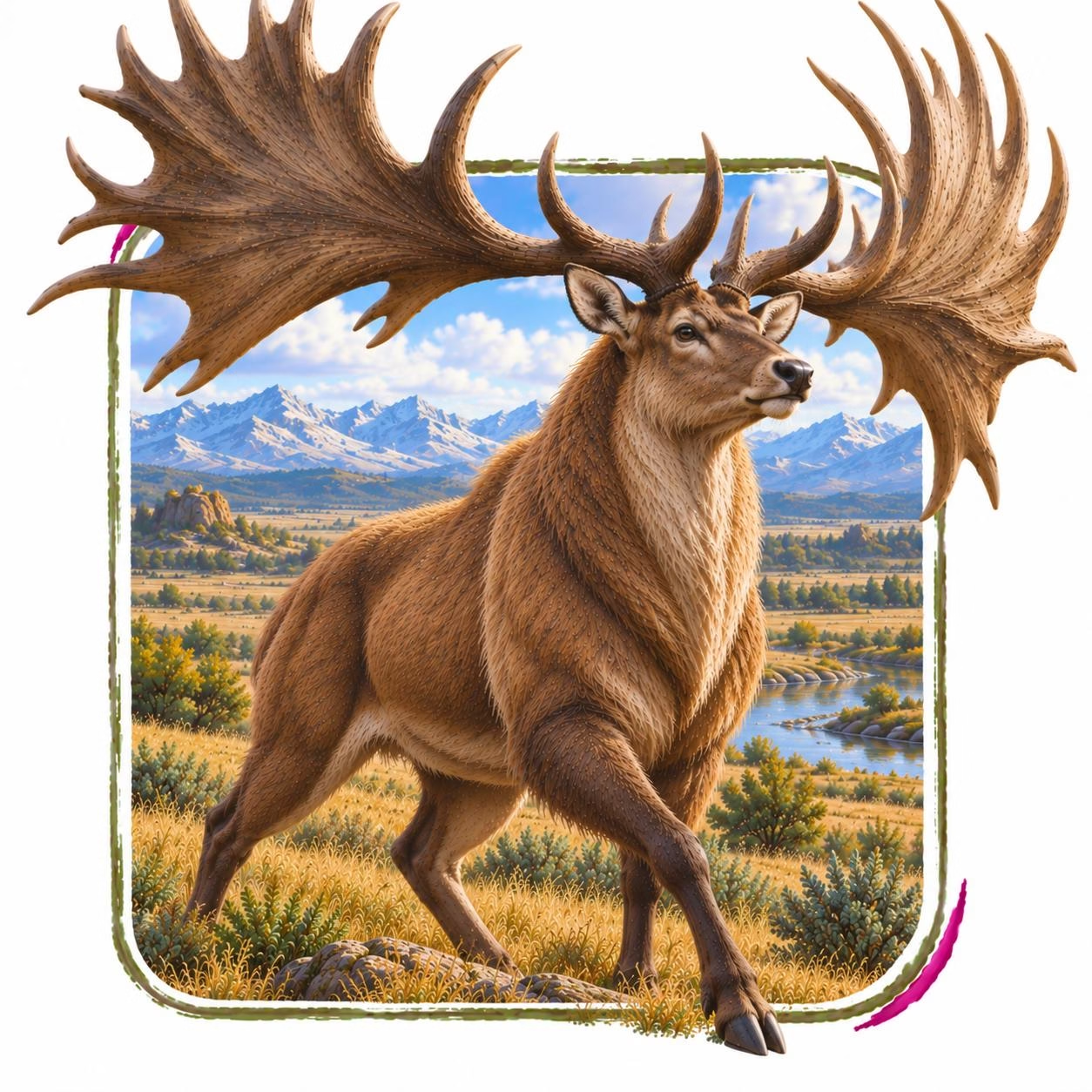
Megaloceros in its natural Ice Age grasslands, open woodlands, steppe-woodlands, river valleys, and shrublands habitat