
Megatherium Facts for Kids
Megatherium was a giant ground sloth from South America. It was not a dinosaur, and it was not a tree sloth like the small sloths alive today. Megatherium was an enormous Ice Age mammal with huge claws, a strong tail, and a body built for walking on the ground and reaching plants.
Quick Megatherium Facts
- Animal Type: Extinct mammal
- Group: Giant ground sloth and xenarthran
- Known For: Huge size, giant claws, South American fossils, plant eating, strong tail, ground living, and Ice Age fame
- Lived During: Pleistocene to early Holocene
- Diet: Leaves, twigs, shrubs, fruits, grasses, and other plants
What You’ll Learn
Learn 10 enormous megatherium facts for kids about giant claws, standing tall, plant diets, huge bodies, and Ice Age life, with a quiz, glossary, and activity
These simple facts are written for kids, parents, teachers, and curious young minds.

10 Fun Megatherium Facts for Kids
1. Megatherium Was Not a Dinosaur
Megatherium was an extinct mammal, not a dinosaur, and it lived long after non-bird dinosaurs disappeared.
Kid Decode: It was an Ice Age heavyweight, not a Jurassic guest star.
2. Its Name Means Great Beast
The name Megatherium means great beast, which fits one of the biggest ground sloths ever found.
Kid Decode: That name did not whisper. It stomped into the fossil room.
3. It Was a Giant Ground Sloth
Megatherium was related to modern sloths, but it lived on the ground and grew far larger than any living sloth.
Kid Decode: Modern sloths got trees. Megatherium got the whole landscape.
4. It Had Huge Claws
Megatherium had large curved claws that may have helped pull down branches, dig, or defend itself.
Kid Decode: Those claws were branch hooks with serious Ice Age attitude.
5. It Could Stand Tall
Megatherium could likely rear up on its hind legs, using its strong tail for balance while reaching food.
Kid Decode: When lunch was high, this sloth turned into a leafy crane.
6. It Ate Plants
Megatherium was mainly a herbivore that likely browsed on leaves, shrubs, fruits, and other plant foods.
Kid Decode: Giant body, giant claws, mostly leafy lunch.
7. It Lived in South America
Megatherium fossils are famous from South America, especially Argentina and nearby regions.
Kid Decode: South America had a walking sloth skyscraper in its past.
8. It Had a Strong Tail
Megatherium’s tail helped support its large body, especially when it stood upright.
Kid Decode: The tail was not just decoration. It was a built-in kickstand.
9. Baby Megatheriums Are Still Mysterious
Scientists do not know every detail about baby Megatherium, but young animals would have started much smaller than adults.
Kid Decode: Even the great beast had a tiny-beginner chapter.
10. It Went Extinct
Megatherium disappeared after the Ice Age, likely as climates, habitats, and human activity changed.
Kid Decode: The giant sloth vanished, but its bones still do the storytelling.
The Weirdest Megatherium Fact
Megatherium was a sloth relative that could grow elephant-sized and stand tall to pull down plants with enormous claws.
Try This Megatherium Activity
Megatherium Drawing Activity
Draw Megatherium standing tall in an Ice Age South American landscape. Add huge curved claws, shaggy body, strong tail, baby ground sloth, tall branches, leaves, fruits, fossil bones, footprints, and a “great beast” label.
Quick Megatherium Quiz
- Was Megatherium a dinosaur? Answer: No, it was an extinct mammal.
- What does Megatherium mean? Answer: Great beast.
- What living animals was Megatherium related to? Answer: Modern sloths.
- Where are Megatherium fossils famous from? Answer: South America.
- What did Megatherium mostly eat? Answer: Plants such as leaves, shrubs, fruits, and grasses.
Mini Glossary
- Ground Sloth: An extinct sloth that lived mainly on the ground.
- Xenarthran: A mammal group that includes sloths, anteaters, armadillos, and extinct relatives.
- Herbivore: An animal that eats plants.
- Claw: A curved pointed nail used for digging, gripping, pulling, or defense.
- Holocene: The time period after the last Ice Age, including today.
 Mink Facts for Kids
 Coral Snake Facts for Kids
 Black-Capped Chickadee Facts for Kids
 Onchopristis Facts for Kids
More Animal Facts for Kids
Visit the full animal facts library or explore a focused animal group.
More Extinct Animal Facts for Kids
Discover dinosaurs, Ice Age giants, prehistoric sea creatures, recently extinct species, and other animals from the past.
Fact check note: Fact checked with Natural History Museum Megatherium resources, giant ground sloth fossil references, South American Ice Age mammal summaries, and trusted paleontology education sources.

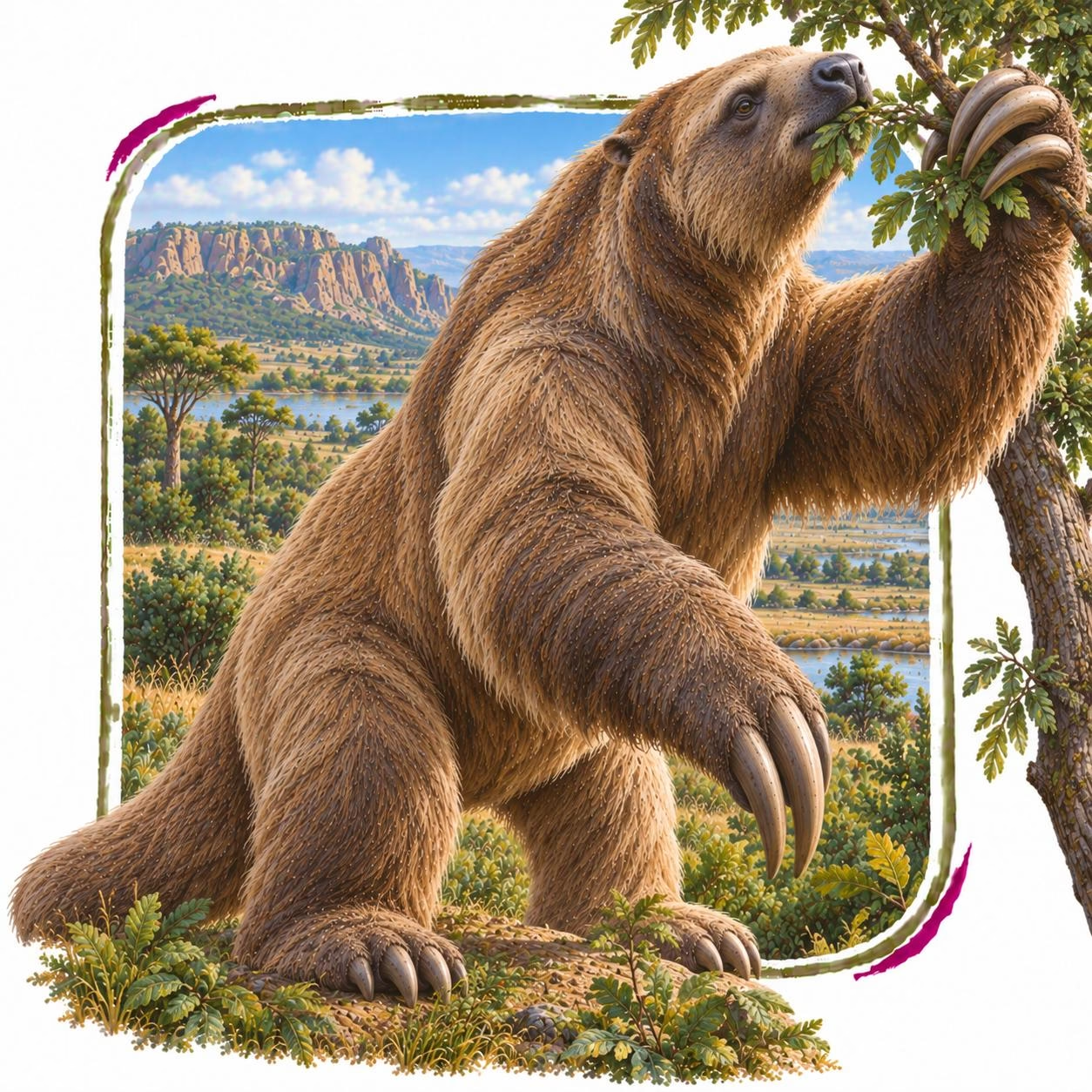
Megatherium in its natural Ice Age forests, woodlands, grasslands, savannas, shrublands, and open plains habitat