
Megistotherium Facts for Kids
Megistotherium was a huge extinct meat-eating mammal from the Miocene of Africa. It was not a dinosaur and not a true hyena. Megistotherium osteothlastes was a hyaenodont, a vanished kind of carnivorous mammal, and it is famous for a large skull from Gebel Zelten in Libya.
Quick Megistotherium Facts
- Animal Type: Prehistoric carnivorous mammal
- Group: Hyainailourid hyaenodont
- Known For: Giant skull, Libya fossil, bone-crusher species name, powerful bite, African Miocene predators, possible proboscidean prey, uncertain body size, and extinction
- Lived During: Early to middle Miocene, about 23 to 11 million years ago
- Diet: Large mammals, carrion, bones, proboscideans, and other animal foods
What You’ll Learn
Explore 10 giant megistotherium facts for kids about its enormous skull, sharp teeth, powerful jaws, hunting, and prehistoric Africa, with a quiz, glossary, and activity
These easy facts are made for kids, parents, teachers, and curious young learners.
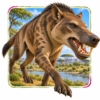
10 Fun Megistotherium Facts for Kids
1. Megistotherium Was a Mammal
Megistotherium was a prehistoric mammal, not a dinosaur, reptile, or giant cat.
Kid Decode: Big mammal, bigger skull, fossil predator fog machine.
2. It Was a Hyaenodont
Megistotherium belonged to Hyaenodonta, an extinct group of meat-eating mammals.
Kid Decode: Not hyena, not wolf, not bear, just vanished predator branch.
3. Its Name Means Greatest Beast
Megistotherium means greatest beast, a suitably dramatic name for a giant predator.
Kid Decode: Some fossil names whisper. This one kicks the door open.
4. Its Species Name Means Bone Crusher
The species name osteothlastes refers to bone crushing.
Kid Decode: That is a name with dental confidence.
5. It Was Found in Libya
The famous skull of Megistotherium was discovered at Gebel Zelten in Libya and described in 1973.
Kid Decode: One Libyan skull made the animal famous.
6. Its Skull Was Huge
The holotype skull measured about 66 centimetres long, making it one of the largest skulls among hyaenodonts.
Kid Decode: That is a predator head nearly as long as a kid’s skateboard.
7. Its Size Is Debated
Because complete body bones are rare or uncertain, scientists disagree about how heavy Megistotherium really was.
Kid Decode: Big? Yes. Exact monster size? Fossils are still arguing.
8. It Had Powerful Jaws
Large cheek arches and skull muscles suggest Megistotherium had a very strong bite.
Kid Decode: This was not a delicate nibble predator.
9. It May Have Hunted or Scavenged Giant Mammals
Scientists have suggested Megistotherium may have fed on large mammals, including proboscideans and other big Miocene animals, but hunting versus scavenging is uncertain.
Kid Decode: It may have treated giant herbivores as dinner, leftovers, or both.
10. It Had No Living Descendants
Hyaenodonts eventually disappeared, leaving no living members today.
Kid Decode: The greatest beast belonged to a predator clan that closed its fossil book.
The Weirdest Megistotherium Fact
Megistotherium is famous as a giant predator, but because its body fossils are limited, scientists still debate its true size and exact lifestyle.
Try This Megistotherium Activity
Megistotherium Drawing Activity
Draw Megistotherium in Miocene Africa. Add a huge skull, powerful jaws, big teeth, Gebel Zelten fossil tag, young animal clue, proboscidean footprint, bone-crusher label, dry riverbed, and a “giant hyaenodont” sign.
Quick Megistotherium Quiz
- Was Megistotherium a dinosaur? Answer: No, it was a prehistoric mammal.
- Was Megistotherium a true hyena? Answer: No, it was a hyaenodont.
- Where was the famous skull found? Answer: Gebel Zelten in Libya.
- What does its species name suggest? Answer: Bone crusher.
- Why is its size debated? Answer: Because complete body fossils are limited or uncertain.
Mini Glossary
- Hyaenodont: A member of an extinct group of carnivorous mammals.
- Hyainailourid: A hyaenodont family that included some very large predators.
- Holotype: The main fossil specimen used to name a species.
- Proboscidean: A mammal group that includes elephants and their extinct relatives.
- Miocene: A time period after the dinosaurs when many modern-looking mammals lived.
 Elephant Facts for Kids
 Ladybug Facts for Kids
 Coelacanth Facts for Kids
 Stethacanthus Facts for Kids
More Animal Facts for Kids
Visit the full animal facts library or explore a focused animal group.
More Extinct Animal Facts for Kids
Discover dinosaurs, Ice Age giants, prehistoric sea creatures, recently extinct species, and other animals from the past.
Fact check note: Fact checked with Savage 1973 Megistotherium description, Biodiversity Heritage Library record, Journal of Mammalogy Moghara specimens, and trusted Miocene mammal education sources.

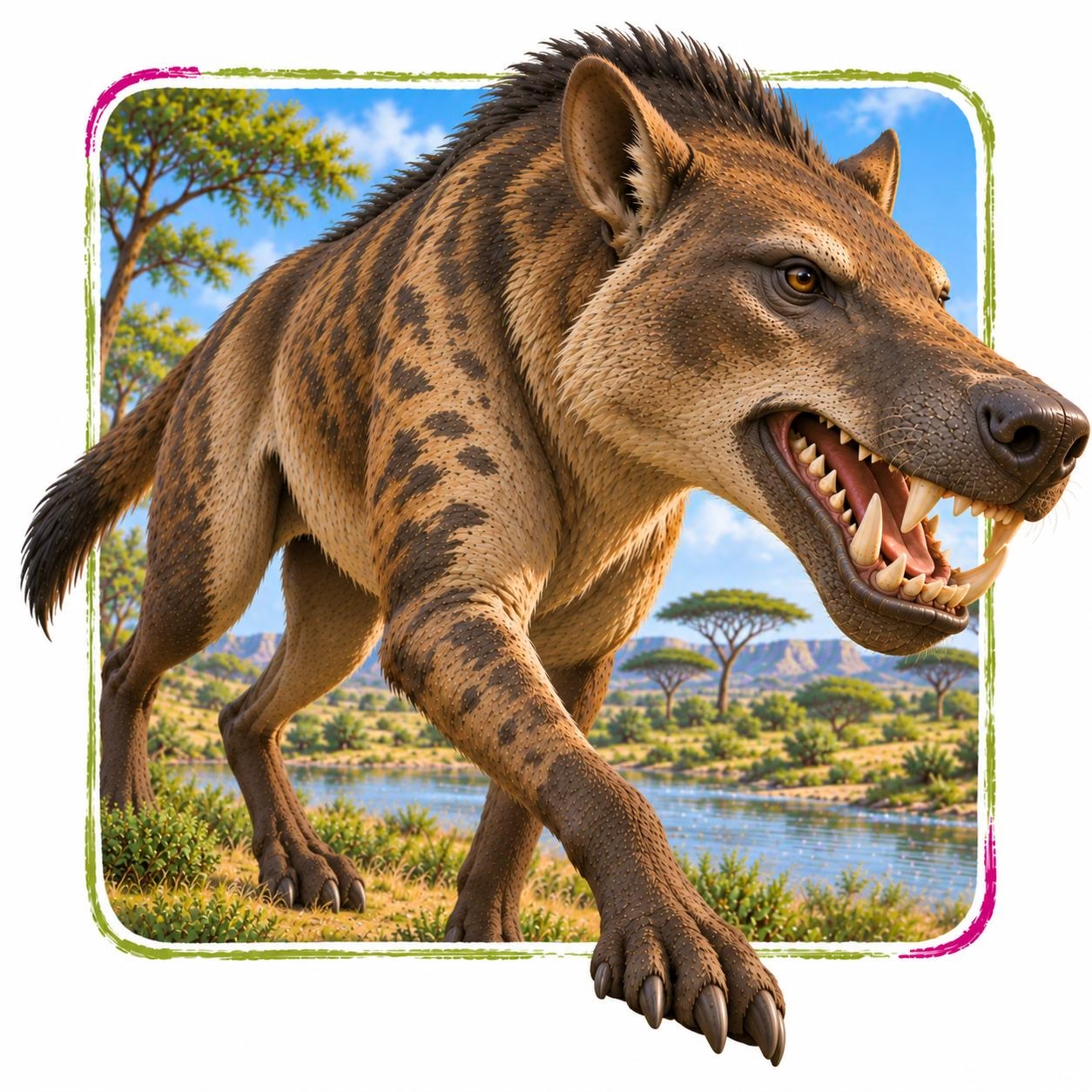
Megistotherium in its natural Early to middle Miocene African floodplains, Gebel Zelten habitats, dry river valleys, open woodlands, savanna-like areas, proboscidean habitats, fossil basins, and large predator ecosystems habitat