
Moa Facts for Kids
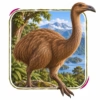
Moa were extinct flightless birds from New Zealand. They were not dinosaurs, and they were not just one species. There were several kinds of moa, from turkey-sized birds to giant species taller than many people. Moa were plant eaters and are famous because they had no wings at all.
Quick Moa Facts
- Animal Type: Recently extinct bird
- Group: Flightless ratite bird
- Known For: New Zealand home, giant species, no wings, long legs, chicks, large eggs, plant eating, and extinction about 600 years ago
- Lived During: Holocene, until about 600 years ago
- Diet: Leaves, twigs, fruits, seeds, herbs, shrubs, and other plants
What You’ll Learn
Explore 10 giant moa facts for kids about flightlessness, enormous size, plant diets, New Zealand forests, and extinction, with a quiz, glossary, and activity
These easy facts are made for kids, parents, teachers, and curious young learners.
10 Fun Moa Facts for Kids
1. Moa Were Birds
Moa were birds from New Zealand, not dinosaurs or mammals.
Kid Decode: They were feathered giants with very serious walking plans.
2. They Lived Only in New Zealand
Moa were endemic to New Zealand, meaning they lived naturally there and nowhere else.
Kid Decode: One country held the whole moa story.
3. There Were Several Kinds
Moa were not just one animal. Scientists recognize several species in different sizes and shapes.
Kid Decode: The moa family had small models, medium models, and towering specials.
4. Some Moa Were Giant
The biggest moa could stand taller than many people when stretching their necks upward.
Kid Decode: This was a bird that could look over your homework desk without jumping.
5. Moa Had No Wings
Moa were unusual because they had no wings at all, not even tiny leftover wings like many other flightless birds.
Kid Decode: No flying, no flapping, no secret wing nubs. Just legs.
6. They Ate Plants
Moa were herbivores that browsed leaves, twigs, fruits, seeds, and other plant foods.
Kid Decode: Big bird, leafy lunch, New Zealand forest buffet.
7. Baby Moa Were Chicks
Baby moa can be called chicks, like baby birds today.
Kid Decode: A moa chick began small before joining a family of walking giants.
8. They Laid Large Eggs
Moa laid eggs, and some species produced very large eggs compared with many living birds.
Kid Decode: Imagine breakfast-egg energy upgraded by a giant bird.
9. Haast’s Eagle Hunted Moa
New Zealand’s giant Haast’s eagle preyed on moa before both animals went extinct.
Kid Decode: Even giant birds had something to worry about in the sky.
10. They Went Extinct After Humans Arrived
Moa disappeared after Polynesian settlement of New Zealand, with hunting and habitat change playing major roles.
Kid Decode: The moa vanished quickly, leaving bones, eggshells, footprints, and a giant lesson behind.
The Weirdest Moa Fact
Moa were the only known birds with no wings at all, making them one of the strangest flightless bird groups ever.
Try This Moa Activity
Moa Drawing Activity
Draw a moa walking through a New Zealand forest. Add long legs, long neck, feathers, no wings, chick, giant egg, leaves, shrubs, fern trees, Haast’s eagle shadow in the sky, fossil bones, and a “wingless giant bird” label.
Quick Moa Quiz
- Were moa dinosaurs? Answer: No, they were birds.
- Where did moa live? Answer: New Zealand.
- Could moa fly? Answer: No.
- What was extra unusual about moa wings? Answer: They had no wings at all.
- What did moa eat? Answer: Plants such as leaves, twigs, fruits, seeds, and shrubs.
Mini Glossary
- Flightless: Unable to fly.
- Ratite: A group of mostly flightless birds that includes ostriches, emus, kiwis, and extinct moa.
- Endemic: Found naturally in only one place.
- Herbivore: An animal that eats plants.
- Chick: A baby bird.

 Monarch Butterfly Facts for Kids
 Elephant Facts for Kids
 Woodpecker Facts for Kids
 Desert Rat-Kangaroo Facts for Kids
More Animal Facts for Kids
Visit the full animal facts library or explore a focused animal group.
More Extinct Animal Facts for Kids
Discover dinosaurs, Ice Age giants, prehistoric sea creatures, recently extinct species, and other animals from the past.
Fact check note: Fact checked with Canterbury Museum moa resources, National Museum of Ireland moa specimen notes, New Zealand fossil bird references, and trusted bird extinction education sources.

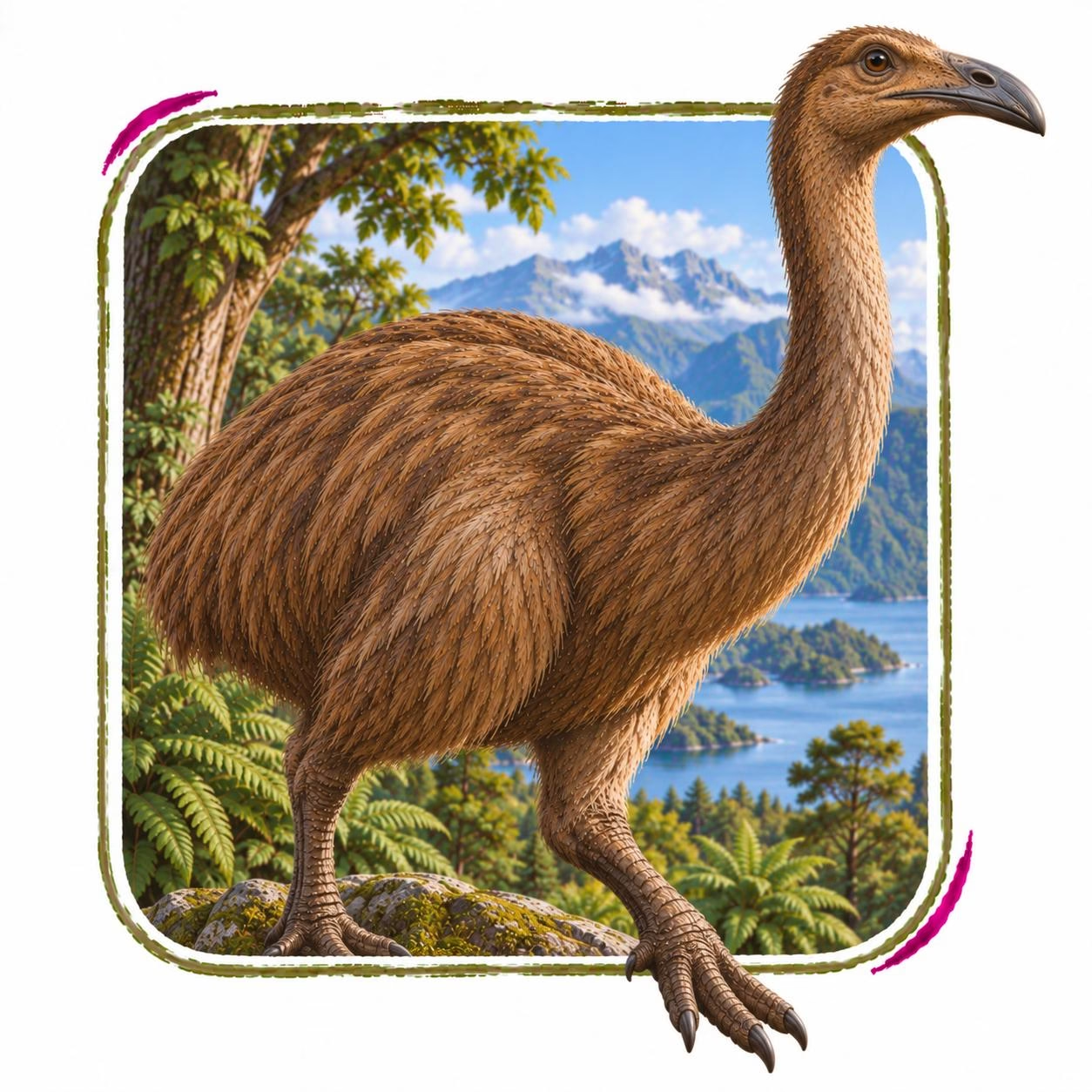
Moa in its natural New Zealand forests, shrublands, grasslands, wetlands, fern habitats, and lowland to upland areas habitat