
Moropus Facts for Kids
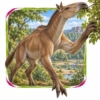
Moropus was a strange extinct hoofed mammal from Miocene North America. It was not a dinosaur, horse, gorilla, or sloth, but it belonged to the odd-toed hoofed mammal branch that also includes horses, rhinos, and tapirs. Moropus had longer front limbs, a somewhat long neck, and claws instead of normal hooves, probably useful for pulling down leafy branches.
Quick Moropus Facts
- Animal Type: Prehistoric hoofed mammal
- Group: Chalicothere and odd-toed ungulate
- Known For: Claws instead of hooves, okapi-like proportions, longer front limbs, Miocene North America, calves, leafy browsing, Agate Springs fossils, and extinct chalicothere family
- Lived During: Early to middle Miocene, about 20 to 13 million years ago
- Diet: Leaves, soft shoots, twigs, bark, fruits, and other browse
What You’ll Learn
Discover 10 fascinating moropus facts for kids about giant claws, long limbs, plant diets, unusual walking, and prehistoric grasslands, plus a quiz, glossary, and activity
Clear explanations make these facts ideal for children, families, teachers, and little fact-hunters.
10 Fun Moropus Facts for Kids
1. Moropus Was a Mammal
Moropus was a prehistoric mammal, not a dinosaur or reptile.
Kid Decode: Claws, fur, leaves, and one extremely strange hoofed family.
2. It Was a Chalicothere
Moropus belonged to Chalicotheriidae, an extinct group of clawed herbivorous odd-toed mammals.
Kid Decode: Imagine a horse relative that traded hooves for garden hooks.
3. It Was Related to Horses and Rhinos
As a perissodactyl, Moropus belonged to the same broad order as horses, zebras, rhinos, and tapirs.
Kid Decode: Family reunions would have been awkward but fascinating.
4. It Had Claws Instead of Hooves
Chalicotheres had claw-shaped hand and foot bones, showing they carried keratin claws in life.
Kid Decode: Hoofed mammal? Yes. Hooves? Not exactly. Fossil chaos approved.
5. It Used Claws for Feeding
UCMP notes chalicotheres were herbivores and probably used claws to pull vegetation down from trees.
Kid Decode: Those claws were leafy snack grabbers, not prey rippers.
6. It Had Longer Front Limbs
AMNH describes Moropus as having longer forelimbs than hindlimbs and a somewhat elongated neck.
Kid Decode: Front-heavy browsing posture gave it a giraffe-gorilla-horse silhouette.
7. It Lived in North America
Moropus is a well-known early Miocene chalicothere from North America, including Agate Springs in Nebraska and other fossil sites.
Kid Decode: Ancient Nebraska had claws-on-hooves weirdness before it was cool.
8. It Ate Browse
Tooth and anatomy evidence suggest Moropus fed on leaves, soft shoots, twigs, bark, fruits, and other vegetation.
Kid Decode: Not a predator, just an oddly armed salad specialist.
9. Baby Moropus Were Calves
Baby Moropus can be called calves or young because it was a large hoofed mammal.
Kid Decode: A calf with future claws is a charming little fossil surprise.
10. It Vanished From North America
Chalicotheres disappeared from North America millions of years ago, though relatives survived longer in the Old World.
Kid Decode: Moropus left the continent, but not the paleontology imagination.
The Weirdest Moropus Fact
Moropus was an odd-toed hoofed mammal related to horses and rhinos, yet it walked around with claws instead of normal hooves.
Try This Moropus Activity
Moropus Drawing Activity
Draw Moropus in a Miocene North American woodland. Add long front limbs, clawed feet, somewhat long neck, calf, leafy branch being pulled down, fruit, bark strips, Agate Springs fossil tag, and a “clawed chalicothere” label.
Quick Moropus Quiz
- Was Moropus a dinosaur? Answer: No, it was a prehistoric mammal.
- What extinct group did Moropus belong to? Answer: Chalicotheres.
- What did Moropus have instead of normal hooves? Answer: Claws.
- What did Moropus eat? Answer: Leaves, shoots, twigs, bark, fruits, and other browse.
- What living animals are in the same broad order? Answer: Horses, rhinos, and tapirs.
Mini Glossary
- Chalicothere: A member of an extinct group of clawed herbivorous hoofed mammals.
- Perissodactyl: An odd-toed hoofed mammal group that includes horses, rhinos, and tapirs.
- Browser: An animal that eats leaves, shoots, twigs, and shrubs.
- Calf: A baby large hoofed mammal.
- Keratin: The tough material that makes claws, hooves, hair, and fingernails.
 Deer Facts for Kids
 Coquerel's Sifaka Facts for Kids
 Camel Facts for Kids
 Steller's Sea Cow Facts for Kids
More Animal Facts for Kids
Visit the full animal facts library or explore a focused animal group.
More Extinct Animal Facts for Kids
Discover dinosaurs, Ice Age giants, prehistoric sea creatures, recently extinct species, and other animals from the past.
Fact check note: Fact checked with AMNH Chalicotheriidae notes, UCMP Moropus collection story, chalicothere diet research, and trusted prehistoric mammal education sources.

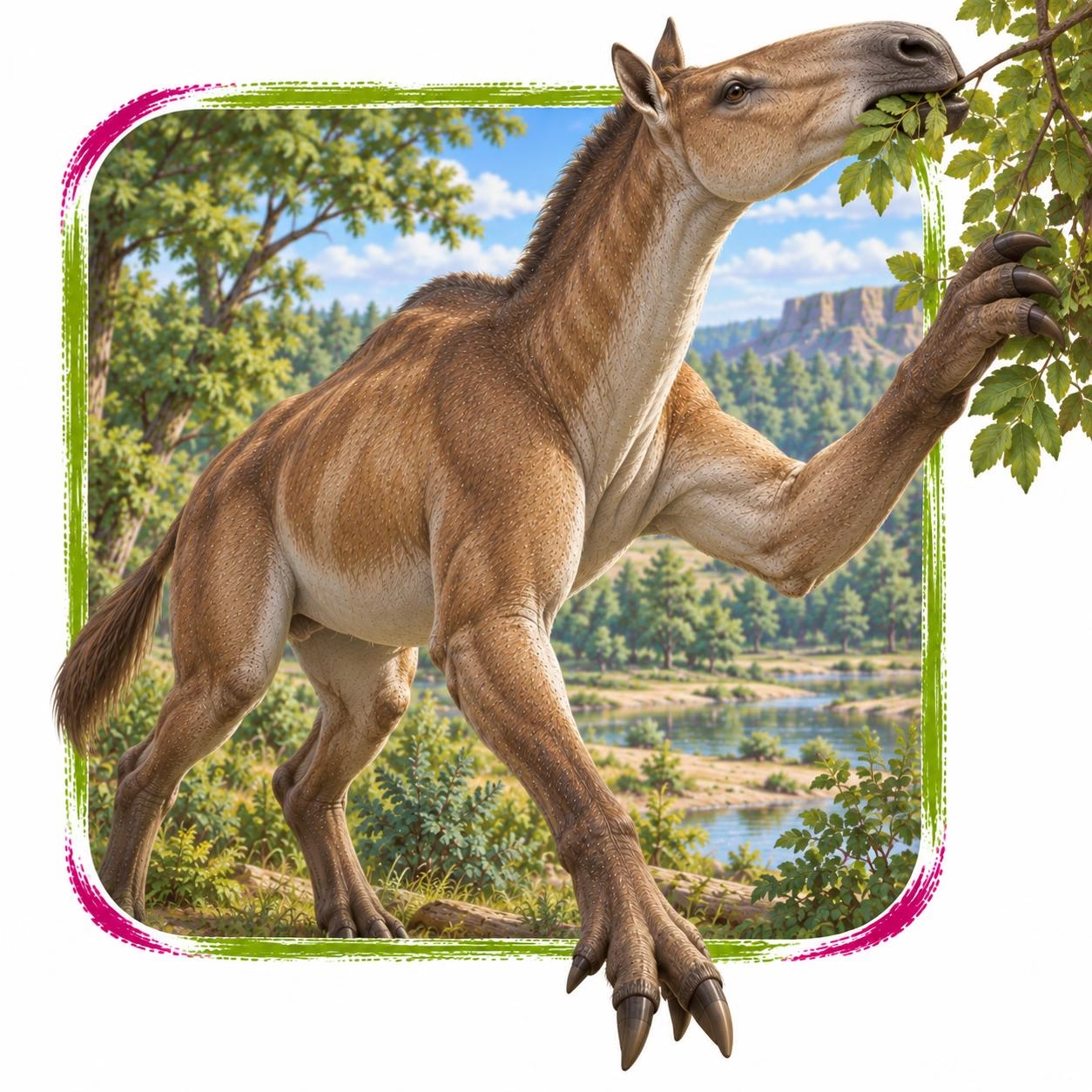
Moropus in its natural Early to middle Miocene North American woodlands, open forests, Agate Springs habitats, river valleys, leafy browsing areas, Great Plains fossil sites, forest edges, and branch-pulling feeding zones habitat