
Mussaurus Facts for Kids
Mussaurus was an early long-necked sauropodomorph dinosaur from Early Jurassic Patagonia, Argentina. It was not a giant sauropod like Brachiosaurus, but it belonged near the branch that later led to giants. Mussaurus is famous because eggs, embryos, juveniles, and adults from one site show some of the earliest evidence of herd-living among dinosaurs.
Quick Mussaurus Facts
- Animal Type: Early sauropodomorph dinosaur
- Group: Basal sauropodomorph
- Known For: Mouse lizard name, Patagonia fossils, tiny babies, adult growth, chicken-sized eggs, nesting ground, age-grouped herds, hatchlings, and Early Jurassic social life
- Lived During: Early Jurassic, about 193 million years ago
- Diet: Plants, leaves, shoots, seeds, ferns, and other vegetation
What You’ll Learn
Learn 10 fascinating mussaurus facts for kids about tiny hatchlings, long necks, plant diets, growth, and prehistoric Argentina, with a quiz, glossary, and activity
These simple facts are written for kids, parents, teachers, and curious young minds.
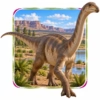
10 Fun Mussaurus Facts for Kids
1. Mussaurus Was a Dinosaur
Mussaurus was an early sauropodomorph dinosaur, part of the long-necked plant-eating dinosaur line.
Kid Decode: Long-neck family, before the giants went enormous.
2. Its Name Means Mouse Lizard
Mussaurus means mouse lizard because the first fossils described were tiny babies.
Kid Decode: The name is adorable, but adults were not mouse-sized.
3. It Lived in Patagonia
Mussaurus fossils come from southern Argentina in Patagonia.
Kid Decode: Patagonia kept a whole dinosaur nursery in the rocks.
4. It Started Tiny
Baby Mussaurus were very small, which is why the animal got its mouse lizard name.
Kid Decode: Tiny hatchling today, long-necked plant eater later.
5. Adults Grew Much Larger
Later discoveries showed adult Mussaurus grew several metres long, much bigger than the baby fossils first suggested.
Kid Decode: The mouse lizard name aged hilariously badly.
6. It Laid Eggs
Mussaurus nests included eggs, and some research describes more than 100 eggs at the fossil site.
Kid Decode: That is not a nest. That is a dinosaur breakfast-cereal count, except fossilized.
7. Its Eggs Were Chicken-Sized
News summaries of the 2021 study described Mussaurus eggs as about chicken-sized.
Kid Decode: Small eggs, big science.
8. It May Have Lived in Herds
A 2021 Scientific Reports study found eggs and skeletons of many ages arranged in ways that suggest herd-living and age segregation.
Kid Decode: Early dinosaurs may already have had social scheduling.
9. Baby Mussaurus Were Hatchlings
Mussaurus babies hatched from eggs, so they can be called hatchlings.
Kid Decode: A hatchling Mussaurus was a tiny member of a very old dinosaur nursery.
10. It Helps Explain Dinosaur Social Life
Mussaurus provides some of the earliest strong evidence that dinosaurs lived in organized groups.
Kid Decode: Before giant sauropods shook the ground, their relatives may have already moved in crowds.
The Weirdest Mussaurus Fact
Mussaurus means mouse lizard because of tiny baby fossils, but adult Mussaurus grew into a much larger long-necked plant eater.
Try This Mussaurus Activity
Mussaurus Drawing Activity
Draw Mussaurus in Early Jurassic Patagonia. Add adults, juveniles, chicken-sized eggs, hatchlings, nest clusters, long necks, ferns, dry lake margin, Patagonia fossil tag, and a “mouse lizard herd” label.
Quick Mussaurus Quiz
- Was Mussaurus a dinosaur? Answer: Yes, it was an early sauropodomorph dinosaur.
- What does Mussaurus mean? Answer: Mouse lizard.
- Where was Mussaurus found? Answer: Patagonia, Argentina.
- Why is Mussaurus important for behavior studies? Answer: Its fossils suggest early herd-living and age-grouped nesting behavior.
- What did Mussaurus eat? Answer: Plants such as leaves, shoots, seeds, ferns, and other vegetation.
Mini Glossary
- Sauropodomorph: A dinosaur branch that includes early long-necked dinosaurs and later giant sauropods.
- Embryo: A baby animal developing inside an egg.
- Herd: A group of animals living or moving together.
- Hatchling: A baby animal newly hatched from an egg.
- Age Segregation: Grouping with animals of similar ages.
 Mandrill Facts for Kids
 Bullfrog Facts for Kids
 Sloth Bear Facts for Kids
 Archaeopteryx Facts for Kids
More Animal Facts for Kids
Visit the full animal facts library or explore a focused animal group.
More Extinct Animal Facts for Kids
Discover dinosaurs, Ice Age giants, prehistoric sea creatures, recently extinct species, and other animals from the past.
Fact check note: Fact checked with Scientific Reports 2021 Mussaurus herd-living study, MIT and EurekAlert summaries of the Patagonia nesting site, and trusted sauropodomorph dinosaur references.

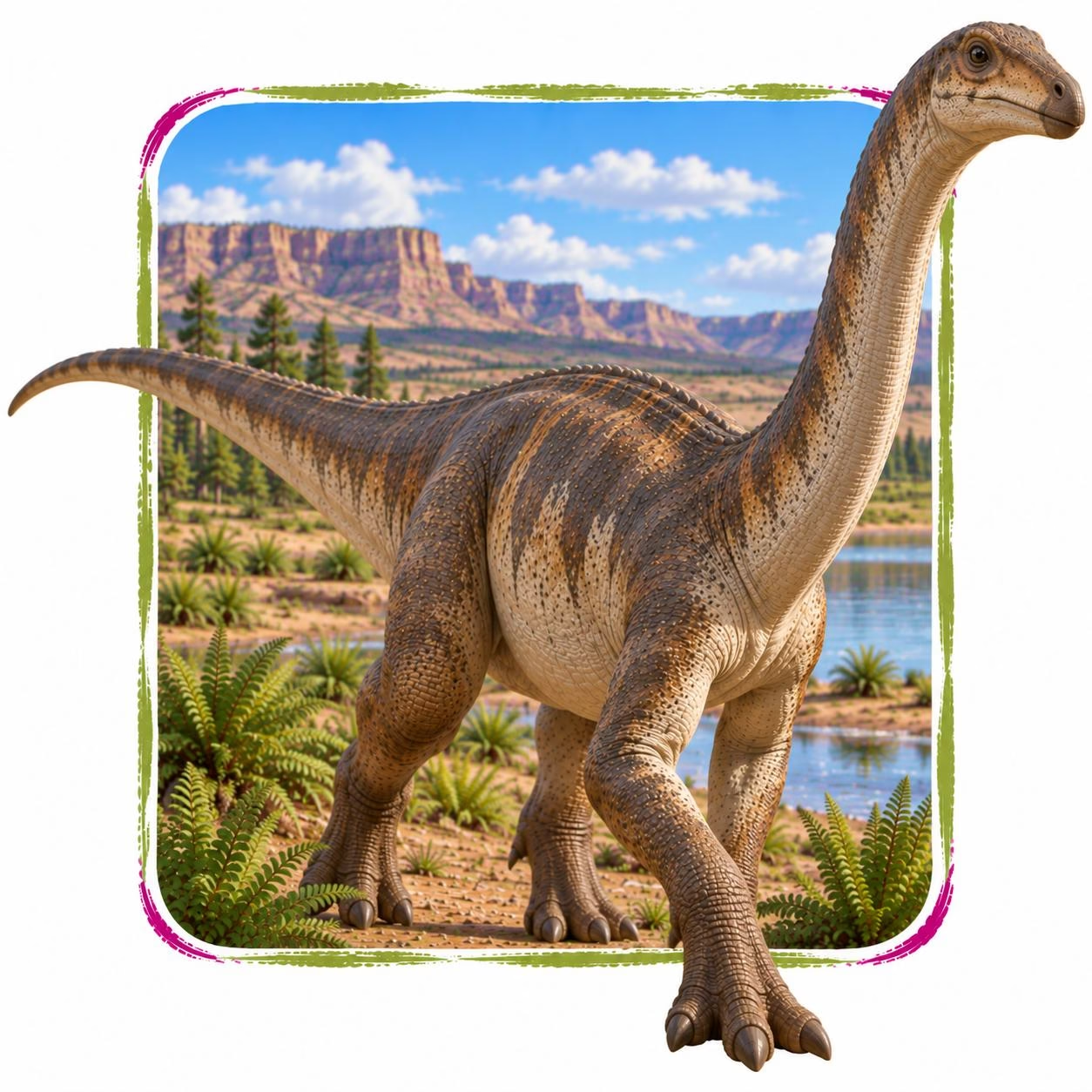
Mussaurus in its natural Early Jurassic Patagonian floodplains, Laguna Colorada Formation habitats, playa lake margins, loessic dust deposits, semi-arid nesting grounds, fern-rich vegetation patches, dry seasonal plains, and early sauropodomorph herd ecosystems habitat