
Oviraptor Facts for Kids
Oviraptor was a small bird-like dinosaur from Late Cretaceous Asia with a toothless beak, long legs, feathers, and a mysterious fossil history. Its name means egg thief, but later discoveries showed that some oviraptor-like dinosaurs were actually caring for their own nests.
Quick Oviraptor Facts
- Animal Type: Extinct reptile
- Group: Oviraptorosaur theropod dinosaur
- Known For: Egg-thief name, toothless beak, feathered body, nesting fossils, long legs, and Mongolia discoveries
- Lived During: Late Cretaceous Period
- Diet: Probably omnivorous, possibly eating eggs, small animals, shellfish, seeds, or plants
What You’ll Learn
Learn 10 surprising oviraptor facts for kids about feathers, beaks, eggs, nesting, and life in ancient Asia, with a quiz, glossary, and activity
These easy facts are written for kids, parents, teachers, and curious young dinosaur lovers.
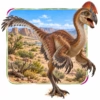
10 Fun Oviraptor Facts for Kids
1. Oviraptor Was a Dinosaur
Oviraptor was a theropod dinosaur in a bird-like group called oviraptorosaurs.
Kid Decode: It belonged to the dinosaur branch that looked wonderfully bird-ish before birds ruled the skies.
2. Its Name Means Egg Thief
The name Oviraptor means egg thief because the first famous fossil was found near eggs that scientists first thought belonged to another dinosaur.
Kid Decode: That name came from a fossil misunderstanding with excellent drama.
3. It May Not Have Been Stealing Eggs
Later discoveries showed that similar eggs could contain oviraptor-like embryos, so the animal near the nest may have been a parent instead of a thief.
Kid Decode: The egg thief may have been the egg parent. Fossils changed the plot.
4. It Had a Toothless Beak
Oviraptor had a strong beak-like mouth instead of a mouth full of big teeth.
Kid Decode: Its beak was the multitool of its tiny dinosaur face.
5. It Probably Had Feathers
Oviraptor and its close relatives are often shown with feathers because fossils from related dinosaurs show bird-like feather features.
Kid Decode: Picture a feathered dinosaur, not a plain scaly egg bandit.
6. It Lived in Mongolia
Oviraptor fossils are known from Mongolia in Asia, especially the famous Gobi Desert region.
Kid Decode: The Gobi Desert kept this beaky mystery tucked inside ancient rocks.
7. It Walked on Two Legs
Oviraptor walked on two long legs and likely moved quickly across Cretaceous habitats.
Kid Decode: Long legs gave it proper prehistoric scuttle power.
8. Baby Oviraptors Were Hatchlings
Like other dinosaurs, Oviraptor hatched from eggs, and young babies can be called hatchlings.
Kid Decode: A hatchling Oviraptor began life inside the very kind of egg that confused scientists.
9. Its Diet Is Still Studied
Scientists are not completely sure what Oviraptor ate, but it may have eaten a mix of foods such as eggs, small animals, shellfish, seeds, or plants.
Kid Decode: Oviraptor’s menu is still a fossil detective case.
10. It Was Bird-Like
Oviraptor had several bird-like features, including a beak, feathers, and nesting clues in close relatives.
Kid Decode: This dinosaur looked like evolution was testing bird ideas early.
The Weirdest Oviraptor Fact
Oviraptor means egg thief, but fossil evidence suggests similar dinosaurs may have been guarding eggs instead of stealing them.
Try This Oviraptor Activity
Oviraptor Drawing Activity
Draw an Oviraptor near a Cretaceous nest. Add a toothless beak, feathers, long legs, eggs, hatchling, sandy Gobi ground, small plants, fossil bones, footprints, and an “egg thief or egg parent?” label.
Quick Oviraptor Quiz
- What does Oviraptor mean? Answer: Egg thief.
- Was Oviraptor definitely stealing eggs? Answer: No, later evidence suggests oviraptor-like dinosaurs may have been nesting parents.
- What kind of mouth did Oviraptor have? Answer: A toothless beak.
- Where are Oviraptor fossils known from? Answer: Mongolia in Asia.
- During what period did Oviraptor live? Answer: Late Cretaceous Period.
Mini Glossary
- Oviraptorosaur: A bird-like theropod dinosaur group that included Oviraptor and its relatives.
- Beak: A hard mouth part used for biting or picking up food.
- Omnivore: An animal that eats both plant and animal foods.
- Hatchling: A newly hatched baby animal.
- Nesting Fossil: Fossil evidence linked with eggs, nests, or brooding behavior.
 Screech Owl Facts for Kids
 Tasmanian Devil Facts for Kids
 Aye-Aye Facts for Kids
 Sinornithosaurus Facts for Kids
More Animal Facts for Kids
Visit the full animal facts library or explore a focused animal group.
More Extinct Animal Facts for Kids
Discover dinosaurs, Ice Age giants, prehistoric sea creatures, recently extinct species, and other animals from the past.
Fact check note: Fact checked with Natural History Museum Oviraptor resources, American Museum of Natural History dinosaur egg references, museum dinosaur education pages, and trusted paleontology education sources.

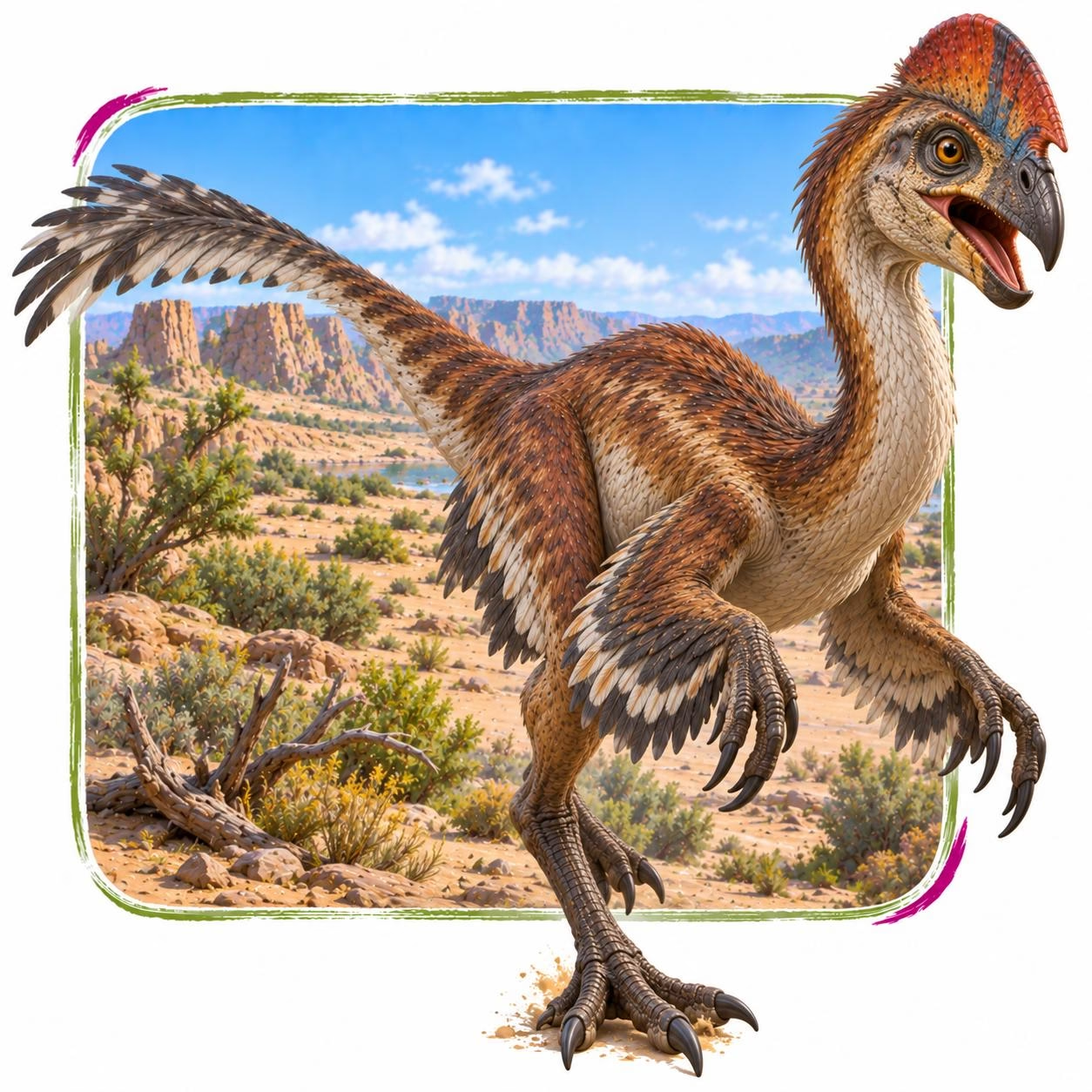
Oviraptor in its natural Cretaceous deserts, sandy plains, and semi-arid habitats habitat