
Pakicetus Facts for Kids
Pakicetus was one of the earliest known whale relatives from Eocene Pakistan. It was not a dinosaur and not a modern whale. Pakicetus had long legs, a land-mammal body, and special ear bones that link it to whales, making it one of the most famous fossils in the story of how whales evolved from land-dwelling ancestors.
Quick Pakicetus Facts
- Animal Type: Early whale relative
- Group: Pakicetid archaeocete cetacean
- Known For: Whale from Pakistan name, Kuldana Formation fossils, wolf-like body, long legs, special whale ear bones, pups, river-edge habitat, and early whale evolution
- Lived During: Early Eocene, about 50 million years ago
- Diet: Fish, small animals, carrion, and other meat-based foods
What You’ll Learn
Discover 10 remarkable pakicetus facts for kids about its land-dwelling body, sharp teeth, strong legs, water habits, and connection to early whales, with a quiz, glossary, and activity
These facts are explained simply for kids, parents, teachers, and curious little fact-finders.
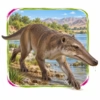
10 Fun Pakicetus Facts for Kids
1. Pakicetus Was an Early Whale Relative
Pakicetus belonged to Cetacea, the branch that later led to whales, dolphins, and porpoises.
Kid Decode: It was whale family, before the family bought flippers.
2. It Was Not a Modern Whale
Pakicetus looked more like a long-legged land mammal than a swimming whale.
Kid Decode: Imagine a whale cousin still using legs instead of fins.
3. Its Name Means Whale From Pakistan
Pakicetus gets its name from Pakistan, where its fossils were discovered.
Kid Decode: Pakistan is written right into the animal’s name.
4. It Lived Near Water
Pakicetus lived around riverbanks, streams, and shallow water environments rather than the open ocean.
Kid Decode: More riverside prowler than deep-sea giant.
5. It Had Long Legs
Unlike modern whales, Pakicetus had legs for walking on land.
Kid Decode: Whale evolution started with footsteps before flukes.
6. Its Ear Bones Gave the Clue
Pakicetus had a special ear region, including a whale-like auditory bulla, that helped scientists recognize it as an early cetacean.
Kid Decode: The ear bones whispered, this is a whale relative.
7. It Was Found in the Kuldana Formation
Important Pakicetus fossils come from the Kuldana Formation of Pakistan.
Kid Decode: One rock formation helped open the whale-origin treasure chest.
8. It Probably Ate Fish and Small Animals
Pakicetus was a carnivore that likely ate fish and small animals near water, though exactly how it hunted is debated.
Kid Decode: Dinner may have come from river edges, not the deep sea buffet.
9. Baby Pakicetus Were Pups
Baby Pakicetus can be called pups because it belonged to the whale branch and living whales have pups.
Kid Decode: A pup with legs is evolution’s tiny cliffhanger.
10. It Helped Prove Whales Came From Land Mammals
Pakicetus helped scientists connect modern whales with hoofed land mammals, especially even-toed relatives.
Kid Decode: This fossil is the whale story before the ocean swallowed the plot.
The Weirdest Pakicetus Fact
Pakicetus was an early whale relative that could walk on land, proving that whale history began far from the open ocean.
Try This Pakicetus Activity
Pakicetus Drawing Activity
Draw Pakicetus near an Eocene Pakistan riverbank. Add long legs, narrow snout, whale-ear clue, pup clue, fish, muddy water, Kuldana Formation fossil tag, hoofed-mammal family clue, and a “walking whale relative” label.
Quick Pakicetus Quiz
- Was Pakicetus a dinosaur? Answer: No, it was an early whale relative.
- Where was Pakicetus found? Answer: Pakistan.
- Did Pakicetus look like a modern whale? Answer: No, it had a land-mammal body with legs.
- What bones helped link it to whales? Answer: Special ear bones.
- What did Pakicetus likely eat? Answer: Fish, small animals, carrion, and other meat-based foods.
Mini Glossary
- Cetacean: A whale, dolphin, porpoise, or extinct relative.
- Pakicetid: A member of an early whale family from the Eocene.
- Auditory Bulla: A rounded ear-bone structure important in whale evolution.
- Pup: A baby whale, dolphin, or similar mammal.
- Eocene: A time period after the dinosaurs when early whales evolved.
 Boxfish Facts for Kids
 Natterjack Toad Facts for Kids
 Beaver Facts for Kids
 Zygomaturus Facts for Kids
More Animal Facts for Kids
Visit the full animal facts library or explore a focused animal group.
More Extinct Animal Facts for Kids
Discover dinosaurs, Ice Age giants, prehistoric sea creatures, recently extinct species, and other animals from the past.
Fact check note: Fact checked with New York Tech Pakicetus family-tree page, original Kuldana Formation references, early whale ear-bone summaries, and trusted whale evolution education sources.

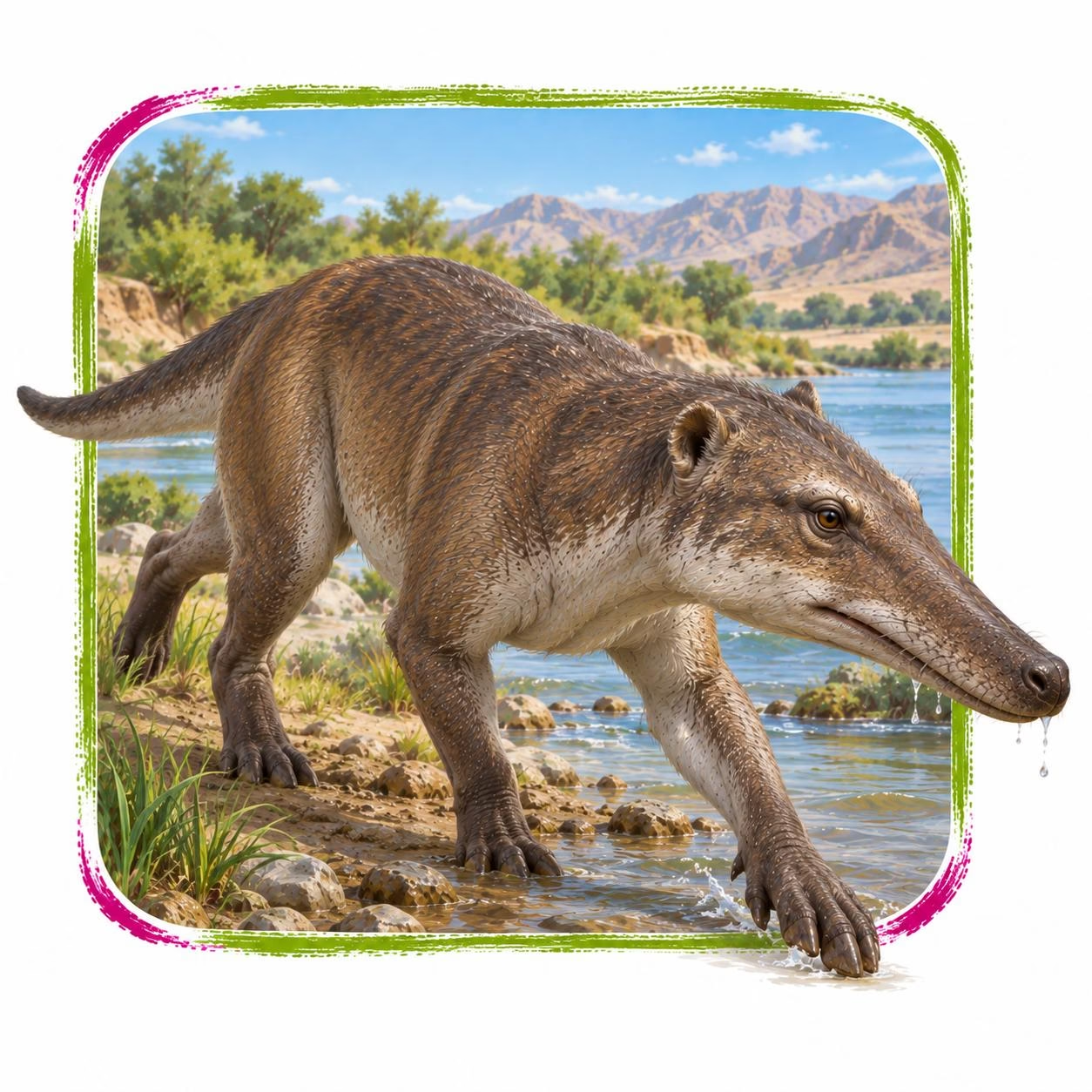
Pakicetus in its natural Early Eocene Pakistan riverbanks, Kuldana Formation floodplains, shallow streams, muddy water edges, freshwater margins, warm lowland habitats, coastal-adjacent basins, and early whale transition environments habitat