
Pelagornis Facts for Kids
Pelagornis was a giant extinct seabird with long wings and strange bony tooth-like spikes along its beak. It was not a pterosaur and not a dinosaur. The famous species Pelagornis sandersi may have had the largest wingspan of any known flying bird and glided over ancient oceans around 25 million years ago.
Quick Pelagornis Facts
- Animal Type: Prehistoric flying seabird
- Group: Pelagornithid, or bony-toothed bird
- Known For: Pseudoteeth, huge wingspan, ocean gliding, ultra-light bones, chicks, Charleston airport fossil, Oligocene seas, and fish-catching beak
- Lived During: Oligocene, about 25 million years ago for Pelagornis sandersi
- Diet: Fish, squid, and other slippery marine animals
What You’ll Learn
Explore 10 incredible pelagornis facts for kids about enormous wings, tooth-like beak edges, ocean soaring, feeding, and prehistoric seas, with a quiz, glossary, and activity
These easy facts are made for kids, parents, teachers, and curious young learners.
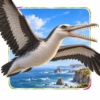
10 Fun Pelagornis Facts for Kids
1. Pelagornis Was a Bird
Pelagornis was a real seabird, not a pterosaur, dinosaur, or flying reptile.
Kid Decode: Bird, yes. Tooth-lined sea glider, also yes.
2. It Had Bony Pseudoteeth
Pelagornis had sharp bony spikes along the beak edges, called pseudoteeth, but they were not true teeth with enamel and sockets.
Kid Decode: It had fake teeth doing real gripping work.
3. It Was a Pelagornithid
Pelagornis belonged to Pelagornithidae, an extinct group of giant ocean-going bony-toothed birds.
Kid Decode: This family was basically seabirds plus saw-edged beak engineering.
4. It Had Enormous Wings
Pelagornis sandersi had an estimated wingspan around 6.4 metres, with broader estimates often given around 20 to 24 feet.
Kid Decode: That is albatross style stretched into sky-sail territory.
5. It Was Found at an Airport
The famous Pelagornis sandersi fossil was discovered during construction at Charleston International Airport in South Carolina.
Kid Decode: A future airport runway gave science a fossil bird runway from the past.
6. It Lived Over Ancient Seas
When Pelagornis sandersi lived, the Charleston area was under the Atlantic Ocean.
Kid Decode: Today airport, anciently ocean, geology loves costume changes.
7. It Was Built for Gliding
Flight studies suggest Pelagornis sandersi was specialized for soaring and gliding over long ocean distances.
Kid Decode: Flap less, glide more, patrol the prehistoric sea.
8. It Ate Slippery Marine Prey
Its pseudoteeth likely helped it grip fish, squid, and other slippery animals from the ocean surface.
Kid Decode: Those beak spikes were seafood tongs.
9. Baby Pelagornis Were Chicks
Baby Pelagornis can be called chicks because it was a bird that hatched from eggs.
Kid Decode: A chick that grows into a giant ocean glider is tiny-to-titanic bird math.
10. It Beat Argentavis in Wingspan
Pelagornis sandersi is often described as surpassing Argentavis in wingspan, though Argentavis may have been heavier.
Kid Decode: One bird had the heavier legend, the other grabbed the longer wing trophy.
The Weirdest Pelagornis Fact
Pelagornis had tooth-like spikes on its beak, but they were not real teeth, so it looked toothy without technically having teeth.
Try This Pelagornis Activity
Pelagornis Drawing Activity
Draw Pelagornis gliding over an Oligocene ocean. Add long narrow wings, pseudoteeth on the beak, fish, squid, chick egg clue on a shore, Charleston airport fossil tag, ocean waves, albatross size comparison, and a “bony-toothed sea glider” label.
Quick Pelagornis Quiz
- Was Pelagornis a pterosaur? Answer: No, it was a bird.
- What were the bony spikes on its beak called? Answer: Pseudoteeth.
- Where was Pelagornis sandersi found? Answer: Near Charleston International Airport in South Carolina.
- How did Pelagornis probably travel over the ocean? Answer: By soaring and gliding.
- What did Pelagornis eat? Answer: Fish, squid, and other marine animals.
Mini Glossary
- Pelagornithid: A member of an extinct group of giant bony-toothed seabirds.
- Pseudoteeth: Tooth-like bony spikes on a bird’s beak.
- Soaring: Flying by gliding on air currents with little flapping.
- Chick: A baby bird.
- Oligocene: A time period after the dinosaurs when many modern-looking animals lived.
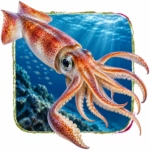 Squid Facts for Kids
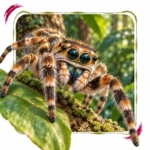 Jumping Spider Facts for Kids
 Banteng Facts for Kids
 Cretoxyrhina Facts for Kids
More Animal Facts for Kids
Visit the full animal facts library or explore a focused animal group.
More Extinct Animal Facts for Kids
Discover dinosaurs, Ice Age giants, prehistoric sea creatures, recently extinct species, and other animals from the past.
Fact check note: Fact checked with PNAS Pelagornis sandersi flight-performance paper, EurekAlert/Bruce Museum discovery summary, Charleston Museum bony-toothed bird notes, and trusted prehistoric seabird education sources.

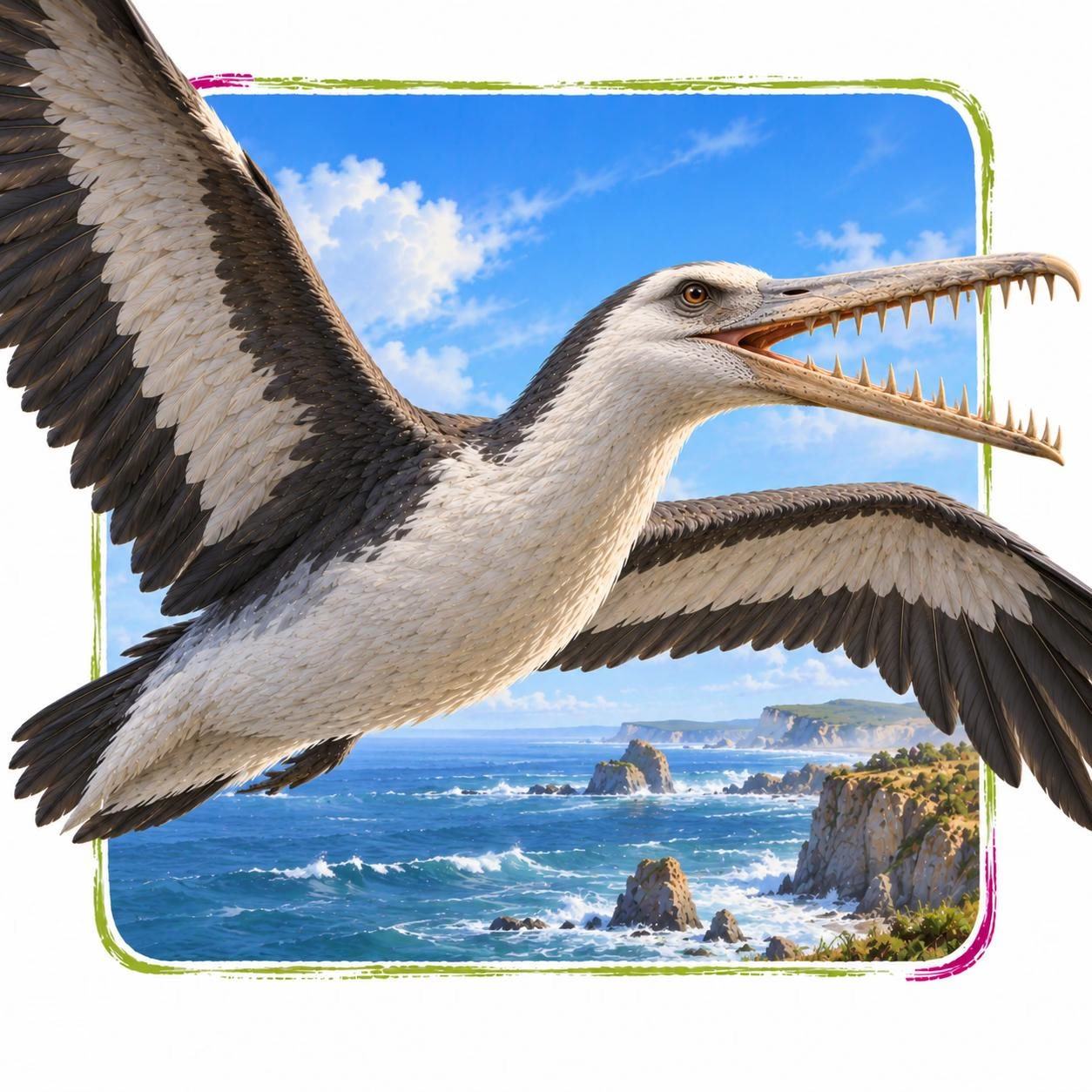
Pelagornis in its natural Oligocene Atlantic coastal seas, ancient South Carolina marine waters, open ocean air currents, shorelines, offshore feeding zones, Charleston fossil sediments, and seabird nesting coasts habitat