
Plateosaurus Facts for Kids
Plateosaurus was an early long-necked dinosaur from Late Triassic Europe. It was not a giant sauropod like Brachiosaurus, but it belonged to the sauropodomorph line that later produced gigantic long-necked dinosaurs. Plateosaurus had a long neck, small head, strong back legs, a horny beak, grinding teeth, and a plant-eating lifestyle.
Quick Plateosaurus Facts
- Animal Type: Early sauropodomorph dinosaur
- Group: Plateosaurid sauropodomorph
- Known For: Flat lizard name, Late Triassic Europe, long neck, small head, horny beak, grinding teeth, hatchlings, bonebeds, and early giant-dinosaur family history
- Lived During: Late Triassic, about 214 to 204 million years ago
- Diet: Plants, leaves, shoots, seeds, and other vegetation
What You’ll Learn
Discover 10 fascinating plateosaurus facts for kids about long necks, strong legs, plant diets, clawed hands, and Triassic Europe, plus a quiz, glossary, and activity
Clear explanations make them fun for children, families, teachers, and little fact-hunters.
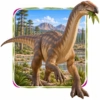
10 Fun Plateosaurus Facts for Kids
1. Plateosaurus Was a Dinosaur
Plateosaurus was a real dinosaur from the sauropodomorph branch, the group that later included giant sauropods.
Kid Decode: Early long-neck family, before the necks went skyscraper mode.
2. Its Name Means Flat Lizard
Plateosaurus means flat lizard, a name from early fossil discoveries in Europe.
Kid Decode: Not the flashiest name, but the dinosaur did not file a complaint.
3. It Lived in Europe
Plateosaurus fossils are known from countries including Germany, Switzerland, and France.
Kid Decode: Late Triassic Europe was a dinosaur workshop with mud, plants, and many skeletons waiting.
4. It Was Not a Giant Sauropod
Plateosaurus was related to the sauropod line, but it was earlier and smaller than later giants such as Diplodocus.
Kid Decode: Think long-neck ancestor zone, not full thunder-lizard tower.
5. It Was About 7 Metres Long
The Natural History Museum lists Plateosaurus at about 7 metres long.
Kid Decode: That is still plenty of dinosaur for a school hallway.
6. It Could Move on Two or Four Legs
Plateosaurus probably moved on two legs or four legs depending on speed, age, and activity.
Kid Decode: Two legs for reaching and walking, four legs when the body needed extra support.
7. It Had a Beak and Grinding Teeth
Plateosaurus had a horny beak at the front and teeth suited for processing plants.
Kid Decode: Clip first, grind later, prehistoric salad system complete.
8. It Is Known From Many Fossils
Mass death sites and bonebeds in Europe have preserved many Plateosaurus skeletons.
Kid Decode: When one dinosaur becomes a fossil crowd, scientists get a much better story.
9. Baby Plateosaurus Were Hatchlings
Plateosaurus dinosaurs hatched from eggs, so babies can be called hatchlings.
Kid Decode: A hatchling Plateosaurus had a long neck future waiting in the blueprint.
10. It Helps Explain Sauropod Origins
Plateosaurus helps scientists understand how small and medium early sauropodomorphs came before the later giant sauropods.
Kid Decode: Before the giants shook the ground, their relatives were testing the design.
The Weirdest Plateosaurus Fact
Plateosaurus is known from so many skeletons that it became one of the classic early long-necked dinosaurs for studying growth and variation.
Try This Plateosaurus Activity
Plateosaurus Drawing Activity
Draw Plateosaurus in Late Triassic Europe. Add a long neck, small head, strong back legs, horny beak, grinding tooth icon, hatchling egg clue, European bonebed tag, leafy plants, and a “flat lizard” label.
Quick Plateosaurus Quiz
- Was Plateosaurus a dinosaur? Answer: Yes, it was an early sauropodomorph dinosaur.
- What does Plateosaurus mean? Answer: Flat lizard.
- Where have Plateosaurus fossils been found? Answer: Europe, including Germany, Switzerland, and France.
- What did Plateosaurus eat? Answer: Plants such as leaves, shoots, seeds, and other vegetation.
- What were baby Plateosaurus dinosaurs called? Answer: Hatchlings.
Mini Glossary
- Sauropodomorph: A dinosaur branch that includes early long-necked dinosaurs and later giant sauropods.
- Plateosaurid: A family of early sauropodomorph dinosaurs that includes Plateosaurus.
- Horny Beak: A hard mouth covering used for clipping food.
- Bonebed: A fossil site where many bones are preserved together.
- Hatchling: A baby animal newly hatched from an egg.
 House Finch Facts for Kids
 Betta Fish Facts for Kids
 Poison Dart Frog Facts for Kids
 Daspletosaurus Facts for Kids
More Animal Facts for Kids
Visit the full animal facts library or explore a focused animal group.
More Extinct Animal Facts for Kids
Discover dinosaurs, Ice Age giants, prehistoric sea creatures, recently extinct species, and other animals from the past.
Fact check note: Fact checked with Natural History Museum Plateosaurus page, European Plateosaurus bonebed references, and trusted early sauropodomorph dinosaur sources.

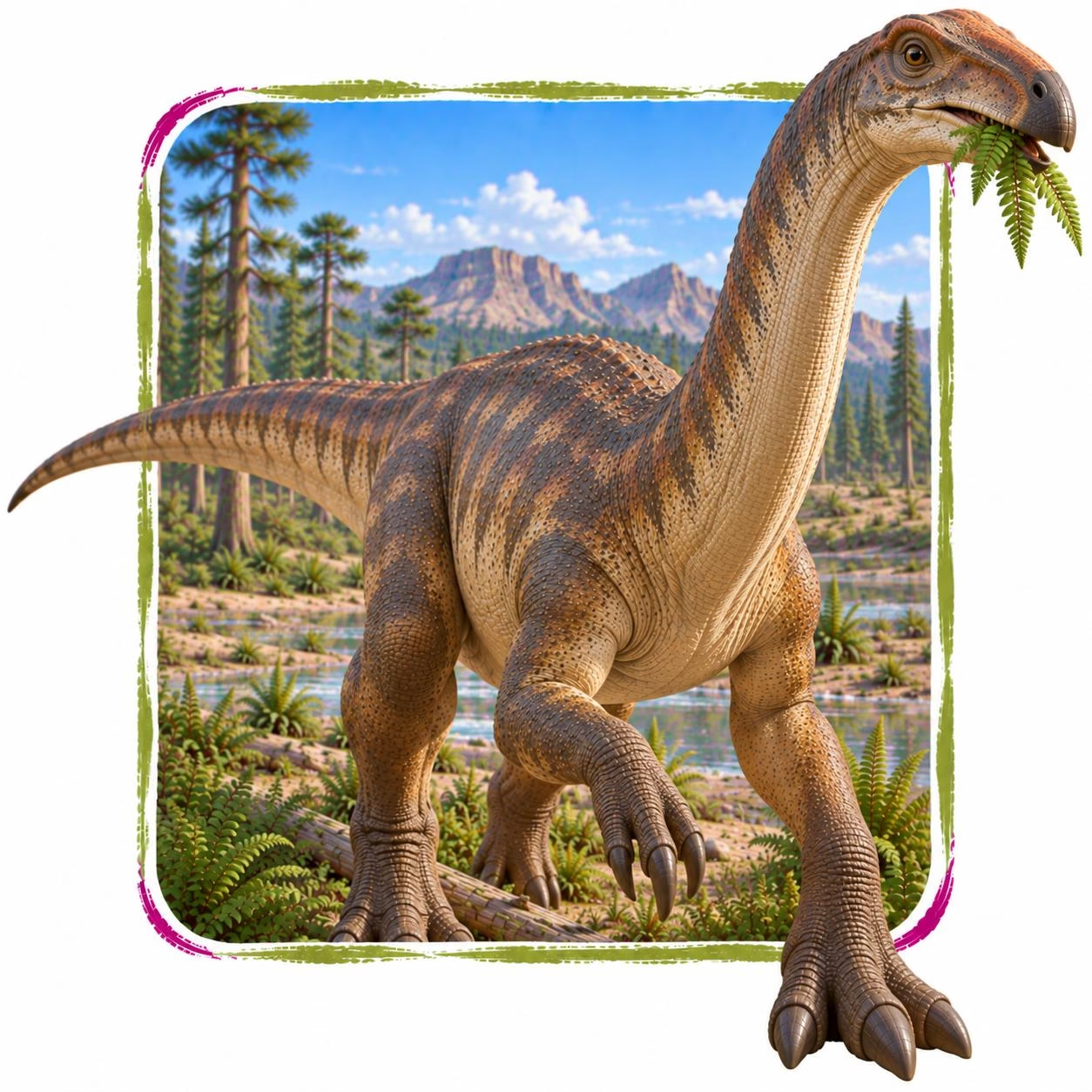
Plateosaurus in its natural Late Triassic European floodplains, Germany and Switzerland bonebed regions, seasonal river valleys, fern and conifer vegetation, semi-arid lowlands, muddy basins, early dinosaur habitats, and sauropodomorph browsing ecosystems habitat