
Schomburgk’s Deer Facts for Kids
Schomburgk’s Deer was a recently extinct deer from central Thailand. It was not a dinosaur or a regular farm deer. This graceful wetland deer lived in swampy plains and long grass near the Chao Phraya River system, and males were famous for amazing basket-like antlers with many points.
Quick Schomburgk’s Deer Facts
- Animal Type: Recently extinct mammal
- Group: Deer and cervid
- Known For: Basket-like antlers, central Thailand wetlands, calves, swampy plains, Chao Phraya habitat, hunting pressure, and extinction records around 1938
- Lived During: Holocene, until the 1900s
- Diet: Grasses, reeds, aquatic plants, leaves, and other wetland plants
What You’ll Learn
Learn 10 remarkable schomburgk’s deer facts for kids about antlers, wet grasslands, grazing, Thailand, and extinction, plus a quiz, glossary, and activity
Simple explanations make them fun for children, families, teachers, and young animal explorers.
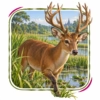
10 Fun Schomburgk’s Deer Facts for Kids
1. Schomburgk’s Deer Was a Mammal
Schomburgk’s Deer was a mammal in the deer family, not a dinosaur or antelope.
Kid Decode: Deer paperwork, wetland address, antler fireworks.
2. It Lived in Central Thailand
This deer lived in swampy plains and river floodplains of central Thailand, especially around the Chao Phraya basin.
Kid Decode: Its home was wet grass, reeds, mud, and floodplain sparkle.
3. Males Had Basket-Like Antlers
Male Schomburgk’s Deer had complex antlers with many branching points that could look like a basket.
Kid Decode: This deer wore a twiggy chandelier on its head.
4. Females Had No Antlers
Female Schomburgk’s Deer did not have antlers, unlike the dramatic males.
Kid Decode: The males brought the antler theatre. The females skipped the headgear.
5. It Ate Wetland Plants
Schomburgk’s Deer was an herbivore that likely grazed and browsed on grasses, reeds, leaves, and aquatic plants.
Kid Decode: Basically a swamp salad specialist with hooves.
6. Floods Made Them Vulnerable
Seasonal floods could push deer onto higher ground, where hunters could find them more easily.
Kid Decode: The rainy season sometimes turned safe habitat into a trap island.
7. Rice Farming Changed Its Home
Large areas of swamp and grassland were converted to rice fields, shrinking the deer’s habitat.
Kid Decode: When wetlands became farmland, the deer lost its green maze.
8. Baby Schomburgk’s Deer Were Calves
Baby Schomburgk’s Deer can be called calves, like baby deer and cattle today.
Kid Decode: A calf would have needed tall grass and careful hiding skills.
9. Its Final Records Are Complicated
Schomburgk’s Deer is usually listed as extinct around 1938, but some antler evidence has raised questions about possible later survival.
Kid Decode: The official ending is 1938, but one antler clue keeps the mystery cupboard open.
10. It Teaches Wetland Conservation
Schomburgk’s Deer shows how hunting and wetland loss can erase a species that depends on a very specific habitat.
Kid Decode: Lose the wetland, lose the hoofbeats.
The Weirdest Schomburgk’s Deer Fact
Schomburgk’s Deer had such unusual basket-like antlers that a single set of antlers later made scientists wonder if the species survived longer than people thought.
Try This Schomburgk’s Deer Activity
Schomburgk’s Deer Drawing Activity
Draw Schomburgk’s Deer in a Thai wetland. Add basket-like antlers, long grass, reeds, muddy water, calf, rice field edge, flood island, antler museum clue, and a “lost wetland deer” label.
Quick Schomburgk’s Deer Quiz
- Was Schomburgk’s Deer a dinosaur? Answer: No, it was a mammal and deer.
- Where did Schomburgk’s Deer live? Answer: Central Thailand.
- What were males famous for? Answer: Basket-like antlers with many points.
- What are baby deer called? Answer: Calves.
- What helped cause its extinction? Answer: Hunting and wetland habitat loss.
Mini Glossary
- Cervid: A member of the deer family.
- Antler: A bony head growth found on deer that is usually shed and regrown.
- Wetland: A habitat with water-soaked ground, such as a marsh or swampy plain.
- Calf: A baby deer, cow, bison, or similar mammal.
- Habitat Loss: When an animal’s home is damaged or destroyed.
 Stick Insect Facts for Kids
 Tern Facts for Kids
 Squirrel Facts for Kids
 Canadaspis Facts for Kids
More Animal Facts for Kids
Visit the full animal facts library or explore a focused animal group.
More Extinct Animal Facts for Kids
Discover dinosaurs, Ice Age giants, prehistoric sea creatures, recently extinct species, and other animals from the past.
Fact check note: Fact checked with IUCN-linked Schomburgk’s Deer summaries, central Thailand wetland habitat notes, Northwestern antler survival report, and trusted deer extinction education sources.

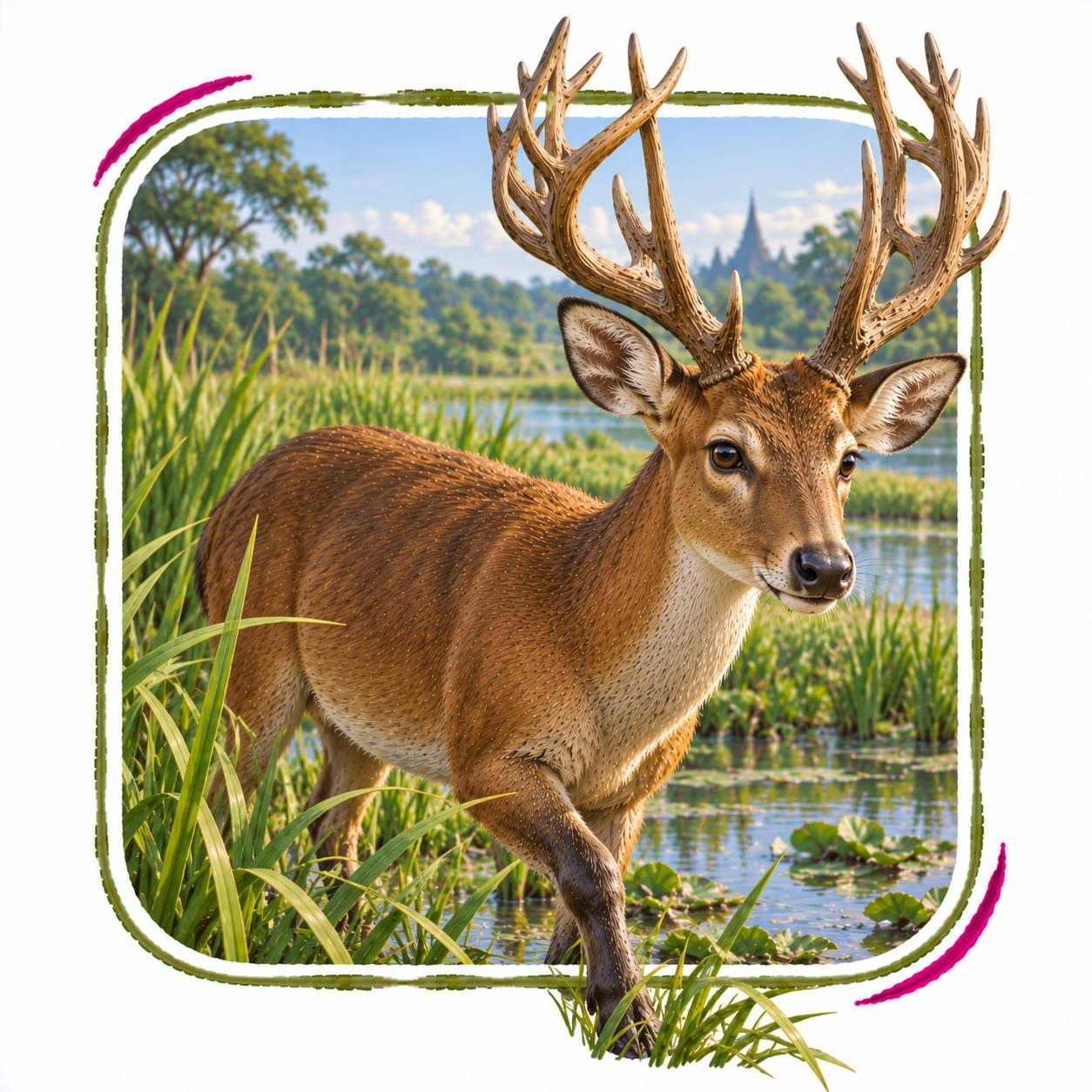
Schomburgk’s Deer in its natural Central Thailand wetlands, swampy plains, river floodplains, long grass areas, reeds, cane beds, marshes, and Chao Phraya basin habitats habitat