
Styracosaurus Facts for Kids
Styracosaurus was a horned plant-eating dinosaur from Late Cretaceous North America. It had a large nose horn, a parrot-like beak, and a dramatic frill with long spikes around the edge, making it one of the spikiest ceratopsians.
Quick Styracosaurus Facts
- Animal Type: Extinct reptile
- Group: Ceratopsian horned dinosaur
- Known For: Long nose horn, spiky frill, parrot-like beak, four-legged body, plant-eating teeth, and Canadian fossils
- Lived During: Late Cretaceous Period
- Diet: Plants such as low-growing leaves, ferns, cycads, and tough vegetation
What You’ll Learn
Discover 10 spiky styracosaurus facts for kids about its horned face, giant frill spikes, beak, plant diet, and Cretaceous habitat, with a quiz, glossary, and activity
These simple facts are made for kids, parents, teachers, and curious little fact-hunters.
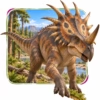
10 Fun Styracosaurus Facts for Kids
1. Styracosaurus Was a Dinosaur
Styracosaurus was a ceratopsian dinosaur, a horned plant-eating group related to Triceratops.
Kid Decode: It belonged to the dinosaur group with serious face architecture.
2. Its Name Means Spiked Lizard
The name Styracosaurus means spiked lizard because of the long spikes around its frill.
Kid Decode: That name is basically a fossil warning sign.
3. It Had a Big Nose Horn
Styracosaurus had a large horn on its nose, which made its skull look especially dramatic.
Kid Decode: The nose horn was the front-page headline of its face.
4. It Had a Spiky Frill
Styracosaurus had a bony frill with long spikes sticking out from the back edge.
Kid Decode: Its frill looked like a prehistoric crown with attitude.
5. It Ate Plants
Styracosaurus was a herbivore and used its beak and rows of teeth to crop and chew plants.
Kid Decode: This spiky dinosaur was powered by greens, not meat.
6. It Walked on Four Legs
Styracosaurus walked on four sturdy legs and had a bulky body built close to the ground.
Kid Decode: It moved like a horned plant-eating bulldozer.
7. It Lived in Canada
Fossils of Styracosaurus are especially known from Alberta, Canada.
Kid Decode: Canadian rocks kept this spiked lizard in their fossil vault.
8. It Was Related to Other Horned Dinosaurs
Styracosaurus was part of the ceratopsian family, which included many horned and frilled dinosaurs.
Kid Decode: Horned dinosaurs had a whole family album of fancy skulls.
9. Baby Styracosauruses Were Hatchlings
Like other dinosaurs, Styracosaurus hatched from eggs, and young babies can be called hatchlings.
Kid Decode: A hatchling Styracosaurus had tiny beginnings before frill-spike fame.
10. Its Frill May Have Helped With Display
Scientists think the horn and frill may have helped with display, species recognition, or defense, though exact uses are still studied.
Kid Decode: The frill was not just decoration. It was dinosaur communication hardware.
The Weirdest Styracosaurus Fact
Styracosaurus had a nose horn and a ring of long frill spikes, giving it one of the most dramatic heads in the dinosaur world.
Try This Styracosaurus Activity
Styracosaurus Drawing Activity
Draw a Styracosaurus standing on a Cretaceous floodplain. Add a big nose horn, spiky frill, parrot-like beak, four sturdy legs, plant-eating teeth, hatchling, eggs in a nest, ferns, fossil bones, and a “spiked lizard” label.
Quick Styracosaurus Quiz
- Was Styracosaurus a plant eater or meat eater? Answer: Plant eater.
- What does Styracosaurus mean? Answer: Spiked lizard.
- What large feature was on its nose? Answer: A horn.
- What spiky feature was behind its head? Answer: A frill.
- What dinosaur group did Styracosaurus belong to? Answer: Ceratopsians.
Mini Glossary
- Ceratopsian: A horned dinosaur group with beaks and often frills.
- Frill: A bony plate at the back of the skull in some dinosaurs.
- Herbivore: An animal that eats plants.
- Display: A body feature or behavior used to show something to other animals.
- Hatchling: A newly hatched baby animal.
 Pine Marten Facts for Kids
 Starling Facts for Kids
 Mockingbird Facts for Kids
 Western Black Rhinoceros Facts for Kids
More Animal Facts for Kids
Visit the full animal facts library or explore a focused animal group.
More Extinct Animal Facts for Kids
Discover dinosaurs, Ice Age giants, prehistoric sea creatures, recently extinct species, and other animals from the past.
Fact check note: Fact checked with Natural History Museum Styracosaurus resources, Britannica horned dinosaur references, museum ceratopsian education pages, and trusted paleontology education sources.

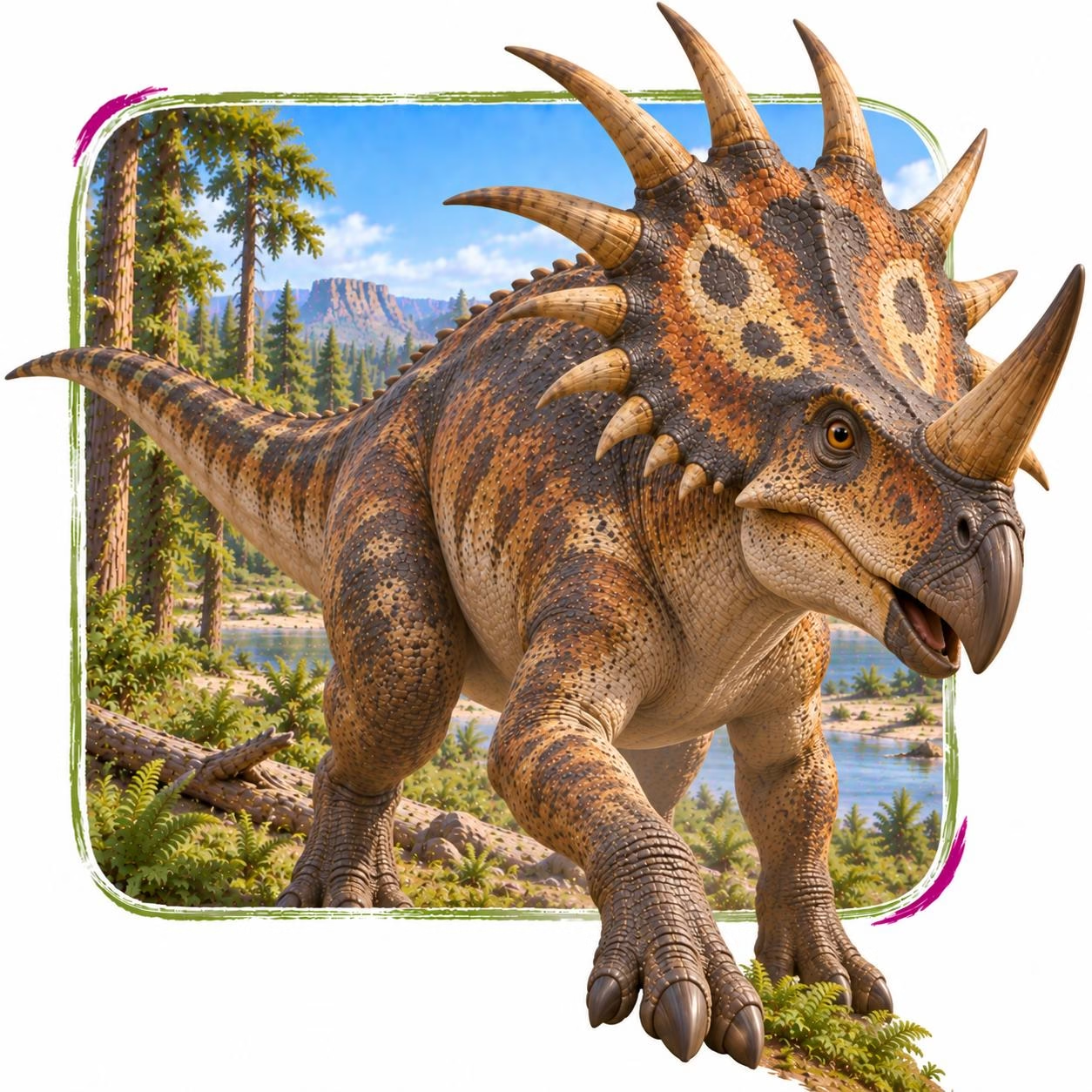
Styracosaurus in its natural Cretaceous floodplains, forests, and open woodland edges habitat