
Teratornis Facts for Kids
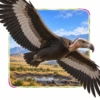
Teratornis was a giant extinct flying bird from the Ice Age. It was not a dinosaur and not a pterosaur. The best-known species, Teratornis merriami, looked a bit like a huge condor with a hooked beak, broad wings, and strong soaring skills. Many fossils have been found at the La Brea Tar Pits in Los Angeles.
Quick Teratornis Facts
- Animal Type: Prehistoric flying bird
- Group: Teratornithid, or giant teratorn
- Known For: Huge wings, La Brea Tar Pits fossils, hooked beak, chicks, soaring flight, scavenging and hunting, Ice Age mammals, and end-Pleistocene extinction
- Lived During: Pleistocene, until about 10,000 years ago
- Diet: Carrion, small animals, possibly eggs, and other meat-based foods
What You’ll Learn
Learn 10 giant teratornis facts for kids about broad wings, soaring, powerful beaks, feeding, and Ice Age skies, plus a quiz, glossary, and activity
Simple explanations make them great for children, families, teachers, and young bird explorers.
10 Fun Teratornis Facts for Kids
1. Teratornis Was a Bird
Teratornis was a real bird, not a dinosaur, pterosaur, or flying reptile.
Kid Decode: Bird body, giant wings, fossil drama in the sky.
2. It Was a Teratorn
Teratornis belonged to Teratornithidae, a group of extinct giant birds related to New World vultures and condors.
Kid Decode: Condor cousin energy, but with Ice Age wings turned up.
3. It Lived in North America
Teratornis fossils are especially famous from the La Brea Tar Pits in California, with other remains known from western North America.
Kid Decode: Los Angeles once had giant birds circling above sticky tar traps.
4. It Had a Huge Wingspan
Teratornis merriami had a wingspan estimated around 3.5 to 3.8 metres, larger than living condors.
Kid Decode: That is a bird with garage-door wings.
5. It Could Soar
Teratornis likely used broad wings to soar on rising air while searching for food.
Kid Decode: Less frantic flapping, more sky-sailing confidence.
6. It Had a Hooked Beak
A hooked beak helped Teratornis tear food, much like vultures and condors do today.
Kid Decode: The beak was a tidy meat tool, not a seed cracker.
7. It Probably Scavenged and Hunted
Scientists often picture Teratornis as a scavenger that also may have caught small live animals.
Kid Decode: Flexible food plans are useful when the Ice Age buffet is unpredictable.
8. Baby Teratornis Were Chicks
Baby Teratornis can be called chicks because it was a bird that hatched from eggs.
Kid Decode: A chick that could grow giant wings is tiny-to-titanic bird math.
9. La Brea Preserved Many Fossils
The La Brea Tar Pits trapped and preserved many Teratornis bones along with wolves, saber-toothed cats, mammoths, and other Ice Age animals.
Kid Decode: The tar pits were a sticky fossil library with feathers in the catalog.
10. It Vanished at the End of the Ice Age
Teratornis disappeared near the end of the Pleistocene, around the time many large Ice Age animals also vanished.
Kid Decode: The giant soarer left the sky, but La Brea kept its bones.
The Weirdest Teratornis Fact
Teratornis was the largest bird found at the La Brea Tar Pits, where tar preserved many of its Ice Age bones.
Try This Teratornis Activity
Teratornis Drawing Activity
Draw Teratornis soaring above Ice Age California. Add huge wings, hooked beak, chick egg clue, La Brea tar pool, mammoth bones, saber-toothed cat tracks, thermal arrows, and a “giant teratorn” label.
Quick Teratornis Quiz
- Was Teratornis a dinosaur? Answer: No, it was a prehistoric bird.
- What bird group did Teratornis belong to? Answer: Teratorns.
- Where are many Teratornis fossils found? Answer: The La Brea Tar Pits in Los Angeles.
- How did Teratornis probably fly for long distances? Answer: By soaring on rising air.
- What are baby birds called? Answer: Chicks.
Mini Glossary
- Teratorn: An extinct giant bird related to New World vultures and condors.
- Soaring: Flying by gliding on air currents with little flapping.
- Carrion: Dead animals eaten by scavengers.
- Chick: A baby bird.
- Pleistocene: An Ice Age time period when many large animals lived.
 Giant Squid Facts for Kids
 European Mink Facts for Kids
 Guillemot Facts for Kids
 Paraceratherium Facts for Kids
More Animal Facts for Kids
Visit the full animal facts library or explore a focused animal group.
More Extinct Animal Facts for Kids
Discover dinosaurs, Ice Age giants, prehistoric sea creatures, recently extinct species, and other animals from the past.
Fact check note: Fact checked with Natural History Museum of Los Angeles County La Brea Teratornis notes, La Brea bird collections, teratorn size summaries, and trusted Ice Age bird education sources.

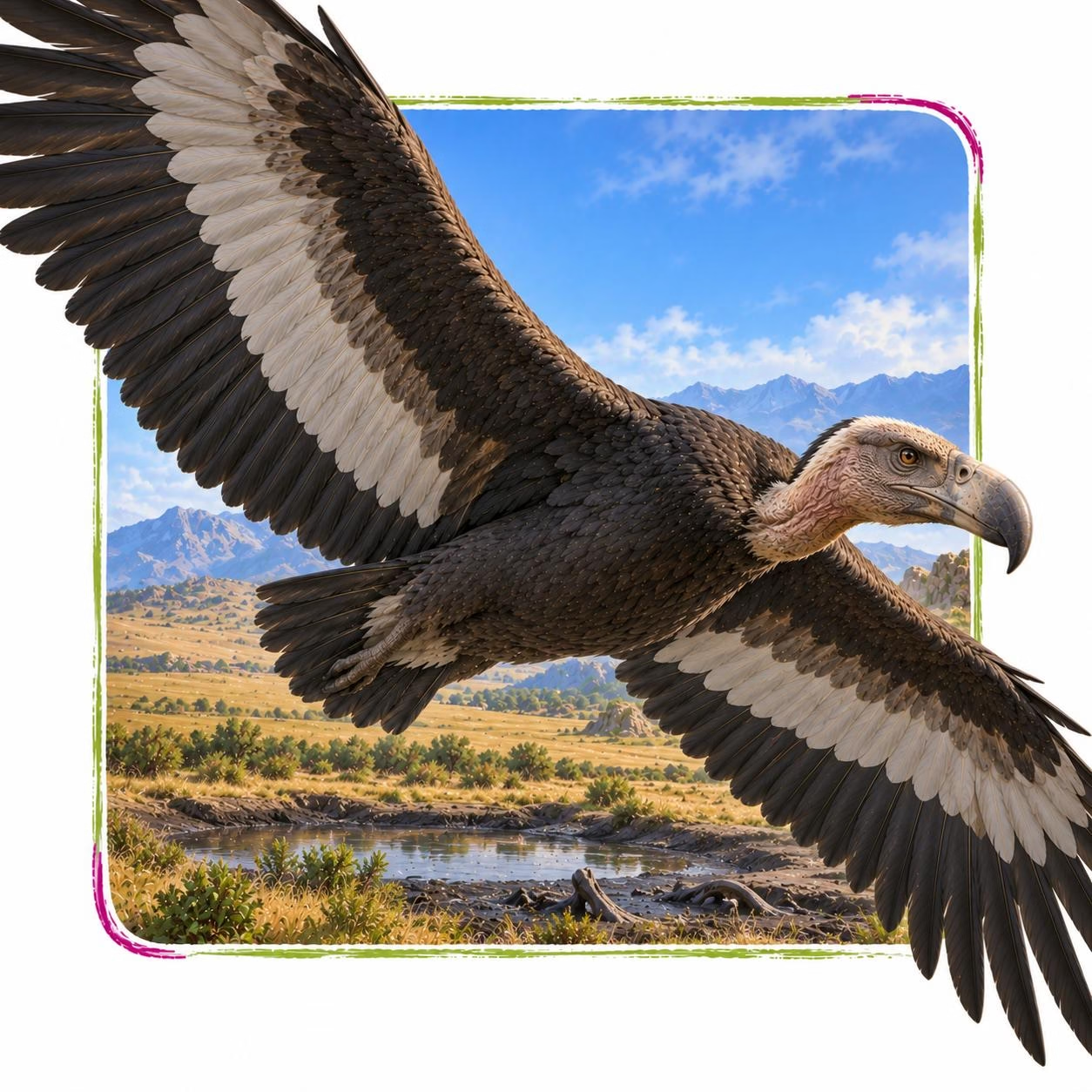
Teratornis in its natural Pleistocene western North American open grasslands, scrublands, savanna-like habitats, tar pit areas, cliffs, thermal-rich skies, and Ice Age scavenger ecosystems habitat