
Titanoboa Facts for Kids
Titanoboa was a gigantic extinct snake from Paleocene Colombia. It was not a dinosaur, because it lived after the non-bird dinosaurs disappeared. Titanoboa cerrejonensis is famous as the largest snake known to science, with estimates around 13 metres long and more than a ton in weight.
Quick Titanoboa Facts
- Animal Type: Prehistoric reptile
- Group: Giant boa-like snake
- Known For: Largest known snake, 13 metre estimate, Cerrejón coal mine fossils, Paleocene rainforest, swampy habitat, hatchlings, fish and crocodile prey, warm climate clues, and post-dinosaur world
- Lived During: Paleocene, about 58 to 60 million years ago
- Diet: Fish, crocodile relatives, turtles, and other swamp animals
What You’ll Learn
Explore 10 gigantic titanoboa facts for kids about enormous size, powerful coils, tropical swamps, hunting, and prehistoric South America, with a quiz, glossary, and activity
These easy facts are made for kids, parents, teachers, and curious young learners.
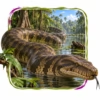
10 Fun Titanoboa Facts for Kids
1. Titanoboa Was a Snake
Titanoboa was a real snake, not a dinosaur, dragon, crocodile, or sea monster.
Kid Decode: No legs, no fire breath, just fossil snake magnificence.
2. It Lived After the Dinosaurs
Titanoboa lived about 58 to 60 million years ago, after the extinction of non-bird dinosaurs.
Kid Decode: Dinosaurs left the stage, then this snake entered the swamp.
3. It Was the Largest Known Snake
Scientists estimated Titanoboa at about 13 metres long and more than a ton in weight.
Kid Decode: That is a snake with bus-length energy.
4. It Was Found in Colombia
Titanoboa fossils were found in the Cerrejón coal mines of northeastern Colombia.
Kid Decode: A coal mine became a giant snake treasure chest.
5. It Was Boa-Like
Titanoboa was a boid snake, meaning it was related to the broad group that includes boas and anacondas.
Kid Decode: Think boa cousin, but with prehistoric boss-level size.
6. It Lived in Swamps
Titanoboa lived in hot, wet tropical habitats with rivers, swamp forests, fish, turtles, and crocodile relatives.
Kid Decode: This was not a dry desert snake. It was a swamp ruler.
7. It Probably Ate Big Aquatic Prey
Scientists think Titanoboa may have eaten large fish, crocodile relatives, turtles, and other animals from its watery world.
Kid Decode: The lunch menu had scales, shells, teeth, and very little safety.
8. Baby Titanoboas Were Hatchlings
Baby snakes are often called hatchlings because they hatch from eggs, so baby Titanoboas can be called hatchlings too.
Kid Decode: Even the biggest snake ever would have started as a small squirming youngster.
9. Its Fossils Help Study Climate
Because giant cold-blooded animals depend on warmth, Titanoboa helped scientists think about how hot Paleocene tropical forests may have been.
Kid Decode: This snake was also a climate clue with ribs.
10. It Had Huge Vertebrae
Titanoboa was identified from large fossil vertebrae and ribs, with later skull material helping scientists understand it better.
Kid Decode: One giant backbone piece can shout, this snake was enormous.
The Weirdest Titanoboa Fact
Titanoboa was so huge that its body could be thicker than a person’s waist, yet scientists first recognized it from fossil bones that looked like oversized snake vertebrae.
Try This Titanoboa Activity
Titanoboa Drawing Activity
Draw Titanoboa in a Paleocene Colombian swamp. Add a huge snake body, river water, rainforest trees, fish, turtle shell, crocodile relative, giant vertebra fossil, hatchling egg clue, and a “largest known snake” label.
Quick Titanoboa Quiz
- Was Titanoboa a dinosaur? Answer: No, it was a snake that lived after non-bird dinosaurs.
- Where was Titanoboa found? Answer: In Colombia’s Cerrejón coal mines.
- How long was Titanoboa estimated to be? Answer: About 13 metres long.
- What kind of habitat did it live in? Answer: Hot tropical swamps and rainforest waterways.
- What are baby snakes often called? Answer: Hatchlings.
Mini Glossary
- Boid: A snake group that includes boas and anacondas.
- Paleocene: A time period after the non-bird dinosaurs went extinct.
- Vertebra: A backbone bone.
- Hatchling: A baby animal newly hatched from an egg.
- Cold-Blooded: Depending on outside heat to help control body temperature.
 Hoopoe Facts for Kids
 Pine Marten Facts for Kids
 Bee Facts for Kids
 Dire Wolf Facts for Kids
More Animal Facts for Kids
Visit the full animal facts library or explore a focused animal group.
More Extinct Animal Facts for Kids
Discover dinosaurs, Ice Age giants, prehistoric sea creatures, recently extinct species, and other animals from the past.
Fact check note: Fact checked with Smithsonian Titanoboa release, Florida Museum Titanoboa summary, Nature original description, Smithsonian Magazine discovery article, and trusted prehistoric reptile education sources.

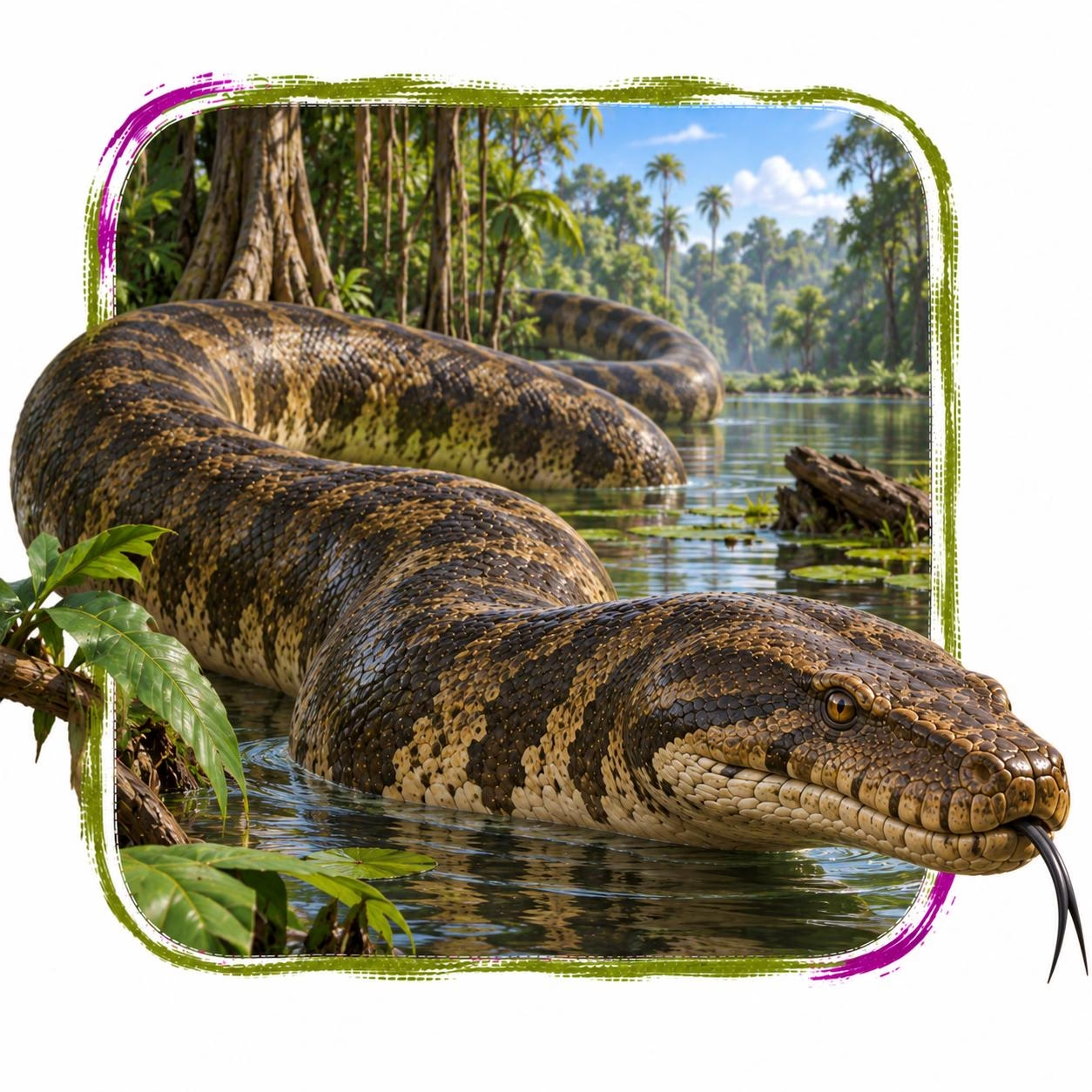
Titanoboa in its natural Paleocene Colombian tropical rainforest, Cerrejón Formation swamps, river channels, wetland forests, coal swamp habitats, warm waterways, and aquatic hunting areas habitat