
Wuerhosaurus Facts for Kids
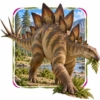
Wuerhosaurus was a plant-eating stegosaur from Early Cretaceous China. It lived later than famous Jurassic stegosaurs such as Stegosaurus and is known from incomplete skeletons found in Xinjiang and Inner Mongolia. Its fossils show a broad-bodied dinosaur with bony back plates, strong limbs, and a tail that likely carried defensive spikes.
Quick Wuerhosaurus Facts
- Animal Type: Armoured dinosaur
- Group: Stegosaur and stegosaurid
- Known For: Early Cretaceous age, Chinese fossils, broad body, back plates, tail defences, and being one of the youngest known stegosaurs
- Lived During: Early Cretaceous, roughly 135 to 125 million years ago
- Diet: Low-growing plants such as ferns, cycads, shrubs, and other vegetation
What You’ll Learn
Explore 10 fascinating wuerhosaurus facts for kids about back plates, tail spikes, plant diets, incomplete fossils, and Cretaceous Asia, with a quiz, glossary, and activity
Easy explanations make them fun for children, families, teachers, and young prehistoric explorers.
10 Fun Wuerhosaurus Facts for Kids
1. Wuerhosaurus Was a Stegosaur
Wuerhosaurus belonged to Stegosauria, the armoured plant-eating dinosaur group famous for rows of bony plates and defensive tail spikes.
Kid Decode: It joined the plate-backed club after most of its famous members had already left.
2. It Lived in the Early Cretaceous
Most well-known stegosaurs come from the Jurassic, but Wuerhosaurus survived into the Early Cretaceous.
Kid Decode: It was one of the stegosaur family’s late-show arrivals.
3. Its Fossils Were Found in China
Wuerhosaurus fossils have been found in western and northern China, including Xinjiang and the Ordos Basin of Inner Mongolia.
Kid Decode: Its fossil map stretches across a large slice of northern China.
4. Its Name Comes From Wuerho
The genus was named after Wuerho, a place in Xinjiang near where fossils of the type species were discovered.
Kid Decode: Wuerho gave the dinosaur a hometown and a tongue-twister of a name.
5. It Had Bony Back Plates
Like other stegosaurs, Wuerhosaurus carried plates made of bone in its skin along the back, although their exact complete shape is uncertain.
Kid Decode: The plates are real, but their original silhouettes remain a fossil jigsaw.
6. The Famous Flat Plates May Be Broken
Older pictures often show Wuerhosaurus with unusually low, rounded plates. Later study suggested the known plates were damaged, so scientists cannot be sure they were naturally flat.
Kid Decode: A broken plate fooled artists into giving this dinosaur a pancake back.
7. It Had a Broad Body
The pelvis of Wuerhosaurus homheni suggests a wide body and roomy belly suited to processing large amounts of plant food.
Kid Decode: That broad middle was a leafy-food fermentation factory.
8. It Probably Used Tail Spikes for Defence
Wuerhosaurus likely had spiked tail weapons like other stegosaurs, although its incomplete fossils leave parts of the arrangement uncertain.
Kid Decode: A swinging spiked tail could make a predator reconsider lunch.
9. Scientists Recognise Two Named Species
The genus has usually included Wuerhosaurus homheni and the smaller Wuerhosaurus ordosensis, though dinosaur classifications can change as fossils are restudied.
Kid Decode: One dinosaur name currently carries two fossil flavours.
10. Baby Wuerhosaurus Were Hatchlings
Wuerhosaurus laid eggs like other dinosaurs, so newly emerged babies can be called hatchlings.
Kid Decode: A future plate-backed heavyweight began as a tiny egg-breaker.
The Weirdest Wuerhosaurus Fact
The low flat plates shown in many old reconstructions may not have been a special feature at all. The fossils appear to be broken, leaving the real plate shape unknown.
Try This Wuerhosaurus Activity
Wuerhosaurus Drawing Activity
Draw Wuerhosaurus walking through Early Cretaceous China. Add a broad body, small head, sturdy legs, rows of plates with a note that their exact shape is uncertain, defensive tail spikes, ferns, cycads, low shrubs, distant hills, an exposed fossil plate, and a “late surviving stegosaur” label.
Quick Wuerhosaurus Quiz
- What kind of dinosaur was Wuerhosaurus? Answer: A stegosaur.
- Where were its fossils found? Answer: China.
- What did Wuerhosaurus eat? Answer: Plants.
- Why are its back plates uncertain? Answer: The known plate fossils are incomplete and damaged.
- Did it live mainly in the Jurassic or Early Cretaceous? Answer: The Early Cretaceous.
Mini Glossary
- Stegosaur: A group of plant-eating dinosaurs with bony plates and usually tail spikes.
- Osteoderm: A piece of bone that forms inside the skin, including stegosaur plates.
- Pelvis: The hip region of a skeleton.
- Herbivore: An animal that eats plants.
- Reconstruction: A scientific attempt to show what an extinct animal looked like from incomplete evidence.
 Monarch Butterfly Facts for Kids
 Wombat Facts for Kids
 Fossa Facts for Kids
 Tarbosaurus Facts for Kids
More Animal Facts for Kids
Visit the full animal facts library or explore a focused animal group.
More Extinct Animal Facts for Kids
Discover dinosaurs, Ice Age giants, prehistoric sea creatures, recently extinct species, and other animals from the past.
Fact check note: Fact checked with Natural History Museum Wuerhosaurus material, Dong Zhiming’s descriptions of Wuerhosaurus homheni and Wuerhosaurus ordosensis, Maidment and colleagues’ stegosaur review, and recent research on Early Cretaceous stegosaurs.

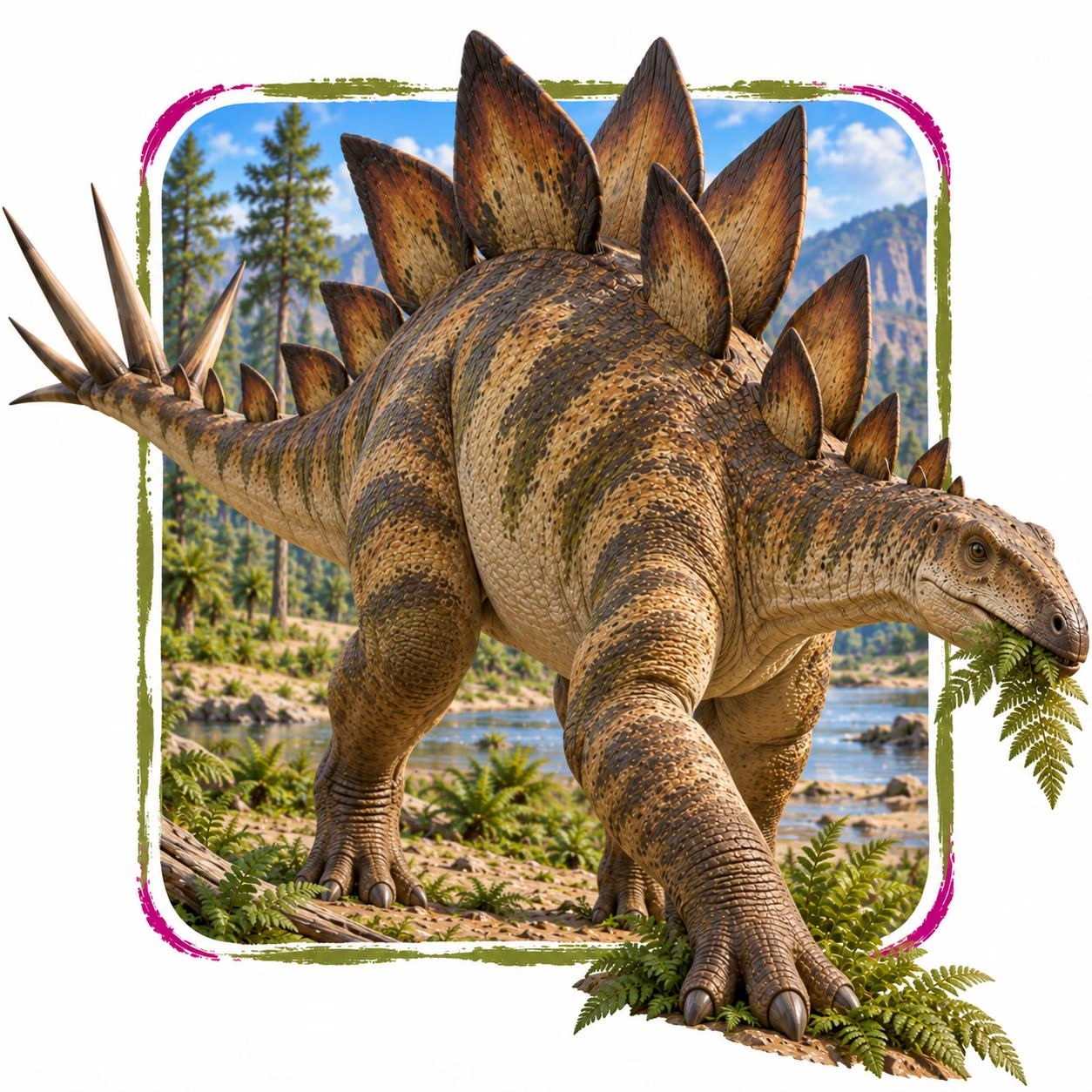
Wuerhosaurus in its natural Early Cretaceous inland basins, floodplains, river valleys, open woodlands, fern fields, shrublands, and seasonally dry habitats of northern China habitat