
Zygomaturus Facts for Kids
Zygomaturus was a giant extinct marsupial from ancient Australia. It was not a dinosaur and not a rhinoceros, though people sometimes compare its bulky body with a hippo or rhino. Zygomaturus trilobus was a large plant-eater related to Diprotodon, wombats, and other diprotodontid marsupials.
Quick Zygomaturus Facts
- Animal Type: Prehistoric marsupial mammal
- Group: Diprotodontid and giant wombat relative
- Known For: Big cheekbones, bulky body, wombat relatives, joeys, broad skull, wetland and woodland habitats, browsing diet, and Ice Age extinction
- Lived During: Pleistocene
- Diet: Leaves, reeds, sedges, grasses, shrubs, and other plants
What You’ll Learn
Discover 10 fascinating zygomaturus facts for kids about its bulky body, plant diet, strong legs, Australian habitats, and Ice Age life, plus a quiz, glossary, and activity
Clear explanations make them great for children, families, teachers, and little fact-hunters.
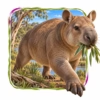
10 Fun Zygomaturus Facts for Kids
1. Zygomaturus Was a Marsupial
Zygomaturus was a marsupial, so its young would have begun life very small and likely developed in a pouch.
Kid Decode: Giant marsupial body, tiny joey beginning. Fossils enjoy dramatic contrast.
2. It Was a Diprotodontid
Zygomaturus belonged to Diprotodontidae, the same extinct plant-eating marsupial family as Diprotodon.
Kid Decode: Think wombat cousin, but built in prehistoric heavy-duty mode.
3. Its Name Means Big Cheekbones
The name Zygomaturus is often translated as big cheekbones, referring to its broad cheek area.
Kid Decode: Even its name sounds like the skull wanted a spotlight.
4. It Was a Bulky Plant-Eater
Zygomaturus was a large herbivore with a heavy body and strong jaws for eating tough plant foods.
Kid Decode: This was not a nibble politely animal. This was a plant-processing unit.
5. It Lived in Australia
Zygomaturus fossils are known from Australia and show that it was part of the continent’s Pleistocene megafauna.
Kid Decode: Ancient Australia had giant mammals doing very un-modern things.
6. It May Have Liked Wet Places
Scientists often link Zygomaturus with wetter habitats such as swamps, river edges, and lush woodlands, though exact habits can vary by site.
Kid Decode: Picture a bulky marsupial browsing near reeds and muddy ground.
7. It Ate Many Kinds of Plants
Fossil tooth studies suggest Zygomaturus could eat a mix of plant types, including browsing foods and some grasses.
Kid Decode: Its teeth kept a tiny fossil menu diary.
8. It Was Related to Wombats
Zygomaturus was not a wombat, but it belonged near wombats and Diprotodon on the marsupial family tree.
Kid Decode: Family reunion: wombat, Diprotodon, and the big-cheeked cousin.
9. Baby Zygomaturus Were Joeys
Baby Zygomaturus can be called joeys because they were marsupials.
Kid Decode: A joey that grew into a bulky megafauna browser is an excellent pouch surprise.
10. It Vanished in the Late Pleistocene
Zygomaturus disappeared during the Late Pleistocene, when many Australian giant animals also vanished.
Kid Decode: The big-cheeked browser left the wetlands and forests to the fossils.
The Weirdest Zygomaturus Fact
Zygomaturus was once pictured as a swampy hippopotamus-like marsupial, but modern scientists use fossils and tooth clues to keep refining how it lived.
Try This Zygomaturus Activity
Zygomaturus Drawing Activity
Draw Zygomaturus in Ice Age Australia. Add a bulky body, broad cheekbones, strong jaws, joey pouch clue, reeds, sedges, shrubs, muddy water edge, Diprotodon cousin clue, and a “big-cheeked marsupial” label.
Quick Zygomaturus Quiz
- Was Zygomaturus a dinosaur? Answer: No, it was a marsupial mammal.
- What does its name suggest? Answer: Big cheekbones.
- What animal family was it in? Answer: Diprotodontidae.
- What did Zygomaturus eat? Answer: Plants such as leaves, reeds, grasses, and shrubs.
- What are baby marsupials called? Answer: Joeys.
Mini Glossary
- Diprotodontid: An extinct group of large herbivorous marsupials related to wombats and koalas.
- Marsupial: A mammal whose young often develop in a pouch.
- Browser: An animal that eats leaves, shoots, twigs, and shrubs.
- Megafauna: Very large animals from the past or present.
- Pleistocene: An Ice Age time period when many giant mammals lived.
 Moose Facts for Kids
 Hercules Beetle Facts for Kids
 Tiger Facts for Kids
 Teratornis Facts for Kids
More Animal Facts for Kids
Visit the full animal facts library or explore a focused animal group.
More Extinct Animal Facts for Kids
Discover dinosaurs, Ice Age giants, prehistoric sea creatures, recently extinct species, and other animals from the past.
Fact check note: Fact checked with Queensland Museum collections, Australian megafauna summaries, Zygomaturus tooth and distribution references, and trusted Australian paleontology education sources.

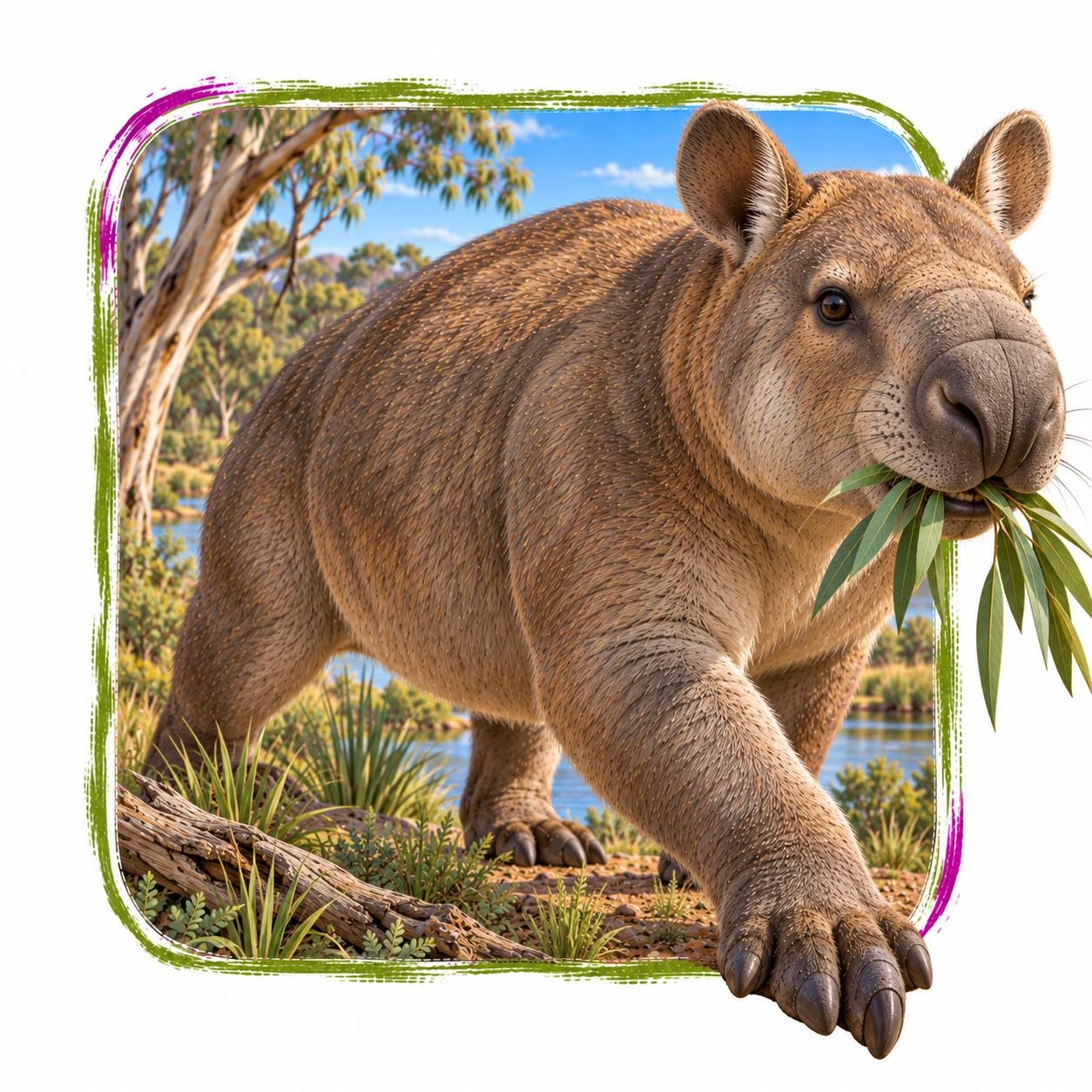
Zygomaturus in its natural Pleistocene Australian wetlands, river edges, swampy woodlands, open forests, grasslands, lakeside areas, floodplains, and browsing habitats habitat