
Adder Facts for Kids
This page focuses on the common European adder, Vipera berus, a small venomous viper found across much of Europe and northern Asia. Adders are shy snakes that usually avoid people. They warm themselves by basking, survive cold winters in sheltered hibernation sites, and give birth to live young instead of laying eggs.
Quick Adder Facts
- Animal Type: Reptile
- Group: Viper
- Known For: Dark zigzag pattern, venomous bite, cold tolerance, and live young
- Habitat: Heathlands, moors, woodland edges, meadows, wetlands, and mountain slopes
- Diet: Small mammals, lizards, frogs, young birds, and other small animals
What You’ll Learn
Explore 10 interesting adder facts for kids about camouflage, venom, hunting, habitats, and how these snakes survive, with a quiz, glossary, and activity
These easy facts are made for kids, parents, teachers, and curious young learners.
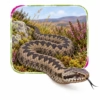
10 Fun Adder Facts for Kids
1. The Common Adder Is a Viper
The common adder belongs to Viperidae, a family of venomous snakes with hinged front fangs that fold back when the mouth closes.
Kid Decode: Its fangs work like two folding needles stored inside the mouth.
2. It Lives Farther North Than Any Other Snake
Vipera berus has an enormous range across Europe and northern Asia and reaches north of the Arctic Circle in parts of Scandinavia.
Kid Decode: This snake carries its zigzag pattern into places where reptiles are usually missing.
3. Many Adders Have a Dark Zigzag
A dark line often runs in a zigzag along the back, but colour varies from gray and brown to copper, reddish, or almost completely black.
Kid Decode: The classic lightning-bolt stripe comes with several surprise colour editions.
4. Adders Use Venom to Subdue Prey
Venom helps an adder stop small prey such as voles, mice, frogs, and lizards. Adders are not aggressive and usually bite people only when stepped on, handled, or cornered.
Kid Decode: The venom is hunting equipment, not an invitation to chase humans.
5. A Suspected Bite Needs Medical Help
Adder bites are uncommon and deaths are very rare, but a bite can cause pain and swelling and should be treated as a medical emergency.
Kid Decode: The safest snake rule is simple: watch from a distance and never pick one up.
6. They Bask to Warm Their Bodies
Like other reptiles, adders depend on outside heat. They often bask in sunshine before hunting, digesting food, or moving through their habitat.
Kid Decode: A sunny patch is the adder’s charging station.
7. They Sleep Through the Coldest Months
Adders spend winter in frost-free shelters called hibernacula, sometimes sharing a suitable site with other snakes year after year.
Kid Decode: One hidden winter shelter can become a sleepy snake apartment.
8. They Give Birth to Live Young
Female adders retain their developing young inside the body and give birth to small independent snakes, often in late summer.
Kid Decode: Baby adders skip the outdoor egg stage and arrive ready to slither.
9. Males Perform a Wrestling Dance
During the breeding season, rival males may raise their bodies and push against each other in a twisting contest that is sometimes called the dance of the adders.
Kid Decode: The contest looks dramatic, but the goal is wrestling rather than biting.
10. They Help Control Small-Animal Populations
By hunting rodents and other small vertebrates, adders form an important part of food webs and also become prey for birds and mammals.
Kid Decode: This quiet predator keeps one corner of the ecosystem’s tiny-animal traffic moving.
The Weirdest Adder Fact
The common adder survives farther north than any other snake, reaching beyond the Arctic Circle by combining basking, seasonal activity, and long winter hibernation.
Try This Adder Activity
Adder Habitat Drawing Activity
Draw a common adder basking on a warm patch beside purple heathland plants. Add a clear zigzag stripe, round body, small head, forked tongue, woodland edge, a hidden winter hibernaculum, and tiny newborn adders nearby. Keep all people a safe distance away.
Quick Adder Quiz
- Which adder does this page describe? Answer: The common European adder, Vipera berus.
- What marking appears on many adders? Answer: A dark zigzag along the back.
- Why do adders bask? Answer: To warm their bodies.
- Do common adders lay eggs? Answer: No, females give birth to live young.
- What should someone do after a suspected adder bite? Answer: Get urgent medical help.
Mini Glossary
- Viper: A venomous snake with long folding front fangs.
- Venom: A substance delivered by a bite or sting that helps capture prey or defend an animal.
- Basking: Resting in warmth or sunlight to raise body temperature.
- Hibernaculum: A sheltered place used during winter dormancy.
- Viviparous: Giving birth to live young rather than laying external eggs.
 American Goldfinch Facts for Kids
 Arctic Hare Facts for Kids
 Gazelle Facts for Kids
 Beelzebufo Facts for Kids
More Animal Facts for Kids
Visit the full animal facts library or explore a focused animal group.
More Extinct Animal Facts for Kids
Discover dinosaurs, Ice Age giants, prehistoric sea creatures, recently extinct species, and other animals from the past.
Fact check note: Fact checked with the IUCN Red List assessment for Vipera berus, Animal Diversity Web’s common adder account, Amphibian and Reptile Conservation Trust guidance, and peer-reviewed studies of adder ecology and reproduction.

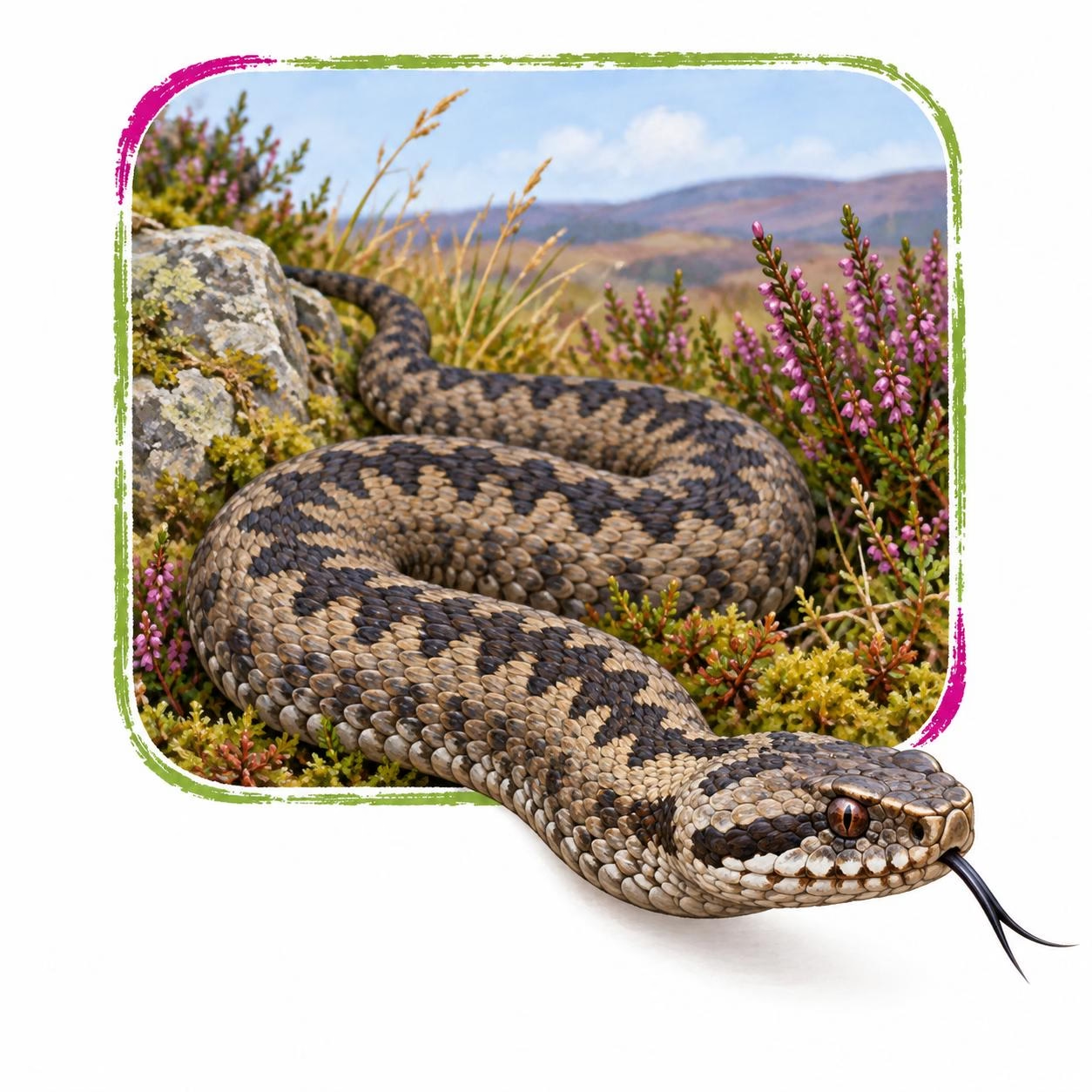
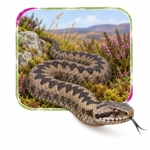
Adder in its natural Heathlands, moors, woodland edges, meadows, wetlands, grasslands, and mountain slopes habitat