
Alpaca Facts for Kids
Alpacas are fluffy, gentle mammals from the camel family. They are closely related to llamas, but they are usually smaller and are best known for their soft, warm fleece.
Quick Alpaca Facts
- Animal Type: Mammal
- Group: Camel family
- Known For: Soft fleece
- Habitat: Farms and high mountain areas of South America
- Diet: Grass, hay, and plants
What You’ll Learn
Learn 10 adorable alpaca facts for kids about soft fleece, humming, herds, babies, and life in South America, with a quiz, glossary, and alpaca activity
These facts are kept simple for kids, parents, teachers, and young animal fans.
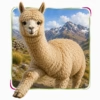
10 Fun Alpaca Facts for Kids
1. Alpacas Belong to the Camel Family
Alpacas are related to camels, llamas, guanacos, and vicuñas. Unlike camels, alpacas do not have humps.
Kid Decode: Alpacas are tiny camel cousins without desert humps.
2. Alpacas Are Smaller Than Llamas
Alpacas are often confused with llamas, but alpacas are usually smaller and have shorter faces and softer-looking fleece.
Kid Decode: An alpaca is like the fluffier little cousin of a llama.
3. Alpacas Are Valued for Their Fleece
People raise alpacas for their soft fleece, which can be used to make warm clothing, blankets, and yarn.
Kid Decode: Alpacas grow cozy sweater clouds.
4. Baby Alpacas Are Called Crias
A baby alpaca is called a cria. Crias stay close to their mothers and learn herd life as they grow.
Kid Decode: A cria is a tiny fluffball with wobbly legs.
5. Alpacas Live in Herds
Alpacas are social animals and usually feel safer and happier in groups with other alpacas.
Kid Decode: Alpacas prefer a fluffy friend squad.
6. Alpacas Mostly Eat Plants
Alpacas are herbivores. They eat grass, hay, and other plant foods, using flat teeth to chew.
Kid Decode: An alpaca’s snack life is green and grassy.
7. Alpacas Make Humming Sounds
Alpacas often make soft humming sounds to communicate, especially when curious, calm, or slightly worried.
Kid Decode: Alpacas can hum like tiny woolly engines.
8. Alpacas Can Spit
Alpacas may spit when annoyed, scared, or trying to tell another alpaca to back off.
Kid Decode: Alpaca spit is their grumpy little warning sign.
9. Alpacas Have Padded Feet
Alpacas have soft padded feet with toenails, which are gentler on pastures than hard hooves.
Kid Decode: Alpacas walk around in soft little foot cushions.
10. Alpacas Come in Many Colors
Alpaca fleece can be white, brown, black, gray, tan, and many shades in between.
Kid Decode: Alpacas are walking yarn palettes.
The Weirdest Alpaca Fact
Alpacas can spit when annoyed, but they usually save it for other alpacas rather than people.
Try This Alpaca Activity
Alpaca Drawing Activity
Draw a fluffy alpaca standing in a mountain meadow. Add soft fleece, small ears, flowers, grass, and a tiny cria beside it.
Quick Alpaca Quiz
- What animal family do alpacas belong to? Answer: The camel family.
- What is a baby alpaca called? Answer: A cria.
- What are alpacas famous for? Answer: Soft fleece.
- Are alpacas herbivores or carnivores? Answer: Herbivores.
- Are alpacas usually bigger or smaller than llamas? Answer: Smaller.
Mini Glossary
- Cria: A baby alpaca or llama.
- Fleece: Soft animal fiber used for yarn and clothing.
- Herbivore: An animal that eats plants.
- Herd: A group of animals living together.
- Camelid: A member of the camel family.

 Terrapin Facts for Kids
 Panther Facts for Kids
 Cassowary Facts for Kids
 Plateosaurus Facts for Kids
More Animal Facts for Kids
Visit the full animal facts library or explore a focused animal group.
More Extinct Animal Facts for Kids
Discover dinosaurs, Ice Age giants, prehistoric sea creatures, recently extinct species, and other animals from the past.
Fact check note: Fact checked with Britannica Kids alpaca resources, Britannica alpaca resources, and trusted camelid education references.

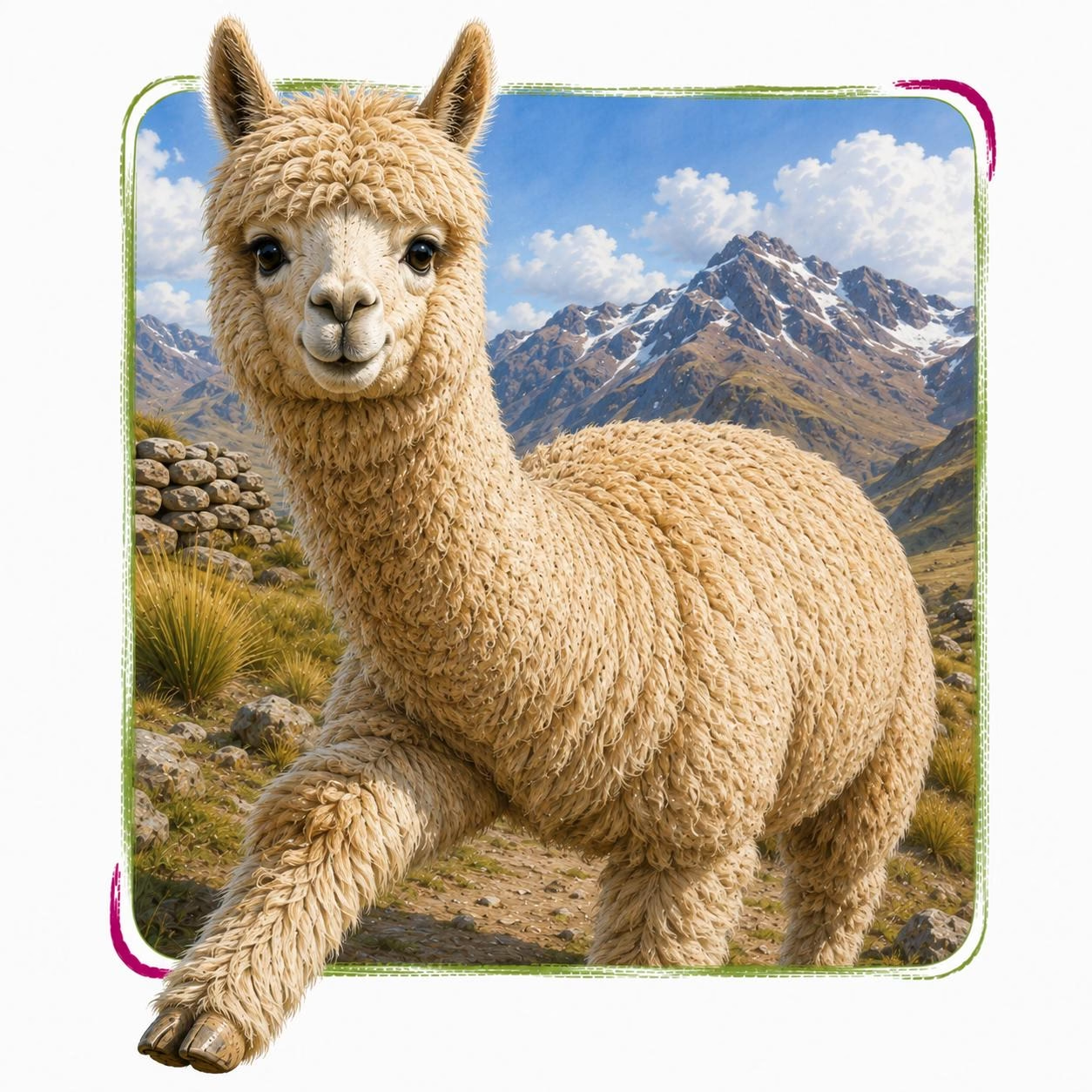
Alpaca in its natural Mountains habitat