
Ant Facts for Kids
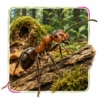
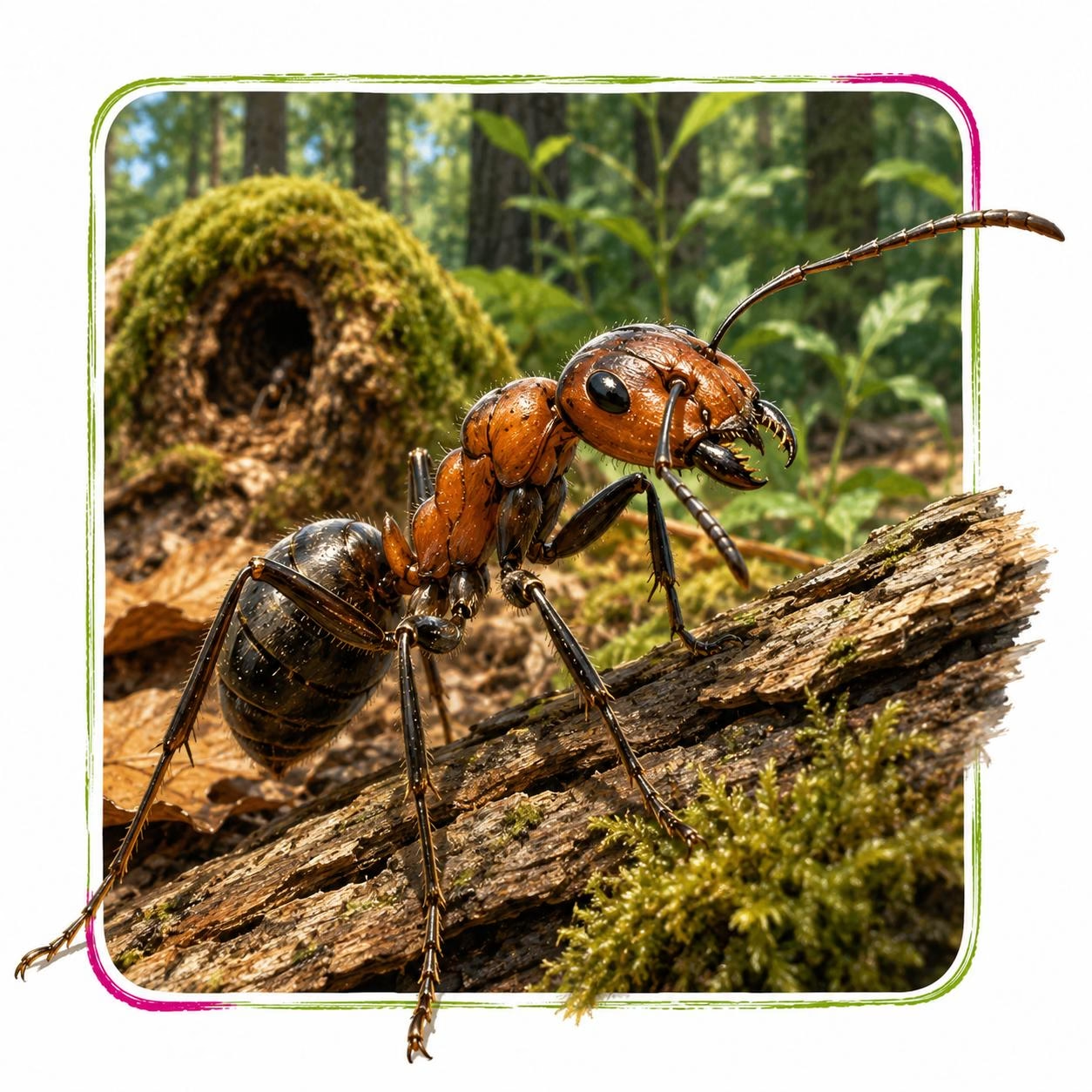
Ants are tiny social insects that live in colonies. They build nests, follow scent trails, care for young, collect food, protect their homes, and work together in some of the busiest little teams in nature.
Quick Ant Facts
- Animal Type: Insect
- Group: Ant family
- Known For: Colonies, teamwork, and tunnels
- Habitat: Soil, forests, gardens, grasslands, deserts, homes, trees, logs, and anthills
- Diet: Seeds, nectar, fruit, fungi, insects, honeydew, dead animals, and many other foods depending on species
What You’ll Learn
Explore 10 incredible ant facts for kids about colonies, queens, teamwork, tunnels, and communication, plus a quiz, glossary, and ant activity
Clear explanations make these facts fun for children, families, teachers, and young insect fans.
10 Fun Ant Facts for Kids
1. Ants Are Insects
Ants are insects with six legs, antennae, three main body parts, and hard outer coverings.
Kid Decode: An ant is a tiny worker with six busy feet.
2. Ants Live in Colonies
Most ants live in groups called colonies. Colonies can include queens, workers, soldiers, and males depending on the species.
Kid Decode: An ant colony is a miniature underground city.
3. Queen Ants Lay Eggs
The queen ant’s main job is to lay eggs. In many colonies, she is the mother of most or all ants there.
Kid Decode: The queen is the colony’s egg factory.
4. Worker Ants Do Many Jobs
Worker ants collect food, clean the nest, care for eggs and larvae, build tunnels, and help protect the colony.
Kid Decode: Worker ants are tiny job machines.
5. Soldier Ants Protect the Colony
In some ant species, larger workers called soldiers defend the nest or help with tough tasks.
Kid Decode: Soldier ants are the colony’s little guards.
6. Ants Use Antennae
Ants use antennae to touch, smell, communicate, and explore their surroundings.
Kid Decode: Ant antennae are tiny smell-and-message wands.
7. Ants Follow Scent Trails
Many ants leave chemical trails that other ants can follow to food or back to the nest.
Kid Decode: Ant trails are invisible road signs.
8. Ants Build Nests
Ant nests can be underground, inside wood, in leaves, or in other protected places. Some ants make anthills above the ground.
Kid Decode: An anthill is the roof of a hidden ant city.
9. Ants Go Through Metamorphosis
Ants grow from eggs to larvae, then pupae, then adults. Their bodies change as they grow.
Kid Decode: An ant gets a tiny insect transformation story.
10. Ants Help Ecosystems
Ants can move soil, spread seeds, clean up dead material, and become food for many animals.
Kid Decode: Ants are small workers in nature’s big workshop.
The Weirdest Ant Fact
Some ant nests have many chambers, including rooms for food storage, eggs, larvae, and the queen.
Try This Ant Activity
Ant Drawing Activity
Draw an ant colony cutaway under the ground. Add tunnels, chambers, a queen, workers carrying food, eggs, larvae, an anthill, grass, and crumbs on the surface.
Quick Ant Quiz
- What kind of animal is an ant? Answer: An insect.
- What is an ant group called? Answer: A colony.
- What does a queen ant do? Answer: Lays eggs.
- What do ants use to smell and communicate? Answer: Antennae.
- What mound can ants build above a nest? Answer: An anthill.
Mini Glossary
- Colony: A group of insects living and working together.
- Queen: The egg-laying female in many ant colonies.
- Worker: An ant that gathers food, cares for young, and does nest jobs.
- Antennae: Feelers used for sensing and communication.
- Anthill: A mound of soil above an ant nest.



 Goat Facts for Kids
 European Badger Facts for Kids
 Sandpiper Facts for Kids
 Megantereon Facts for Kids
More Animal Facts for Kids
Visit the full animal facts library or explore a focused animal group.
More Extinct Animal Facts for Kids
Discover dinosaurs, Ice Age giants, prehistoric sea creatures, recently extinct species, and other animals from the past.
Fact check note: Fact checked with Britannica Kids ant resources, Britannica ant colony resources, and trusted insect education references.

Ant in its natural Forests habitat