
Bat Facts for Kids
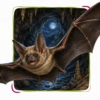
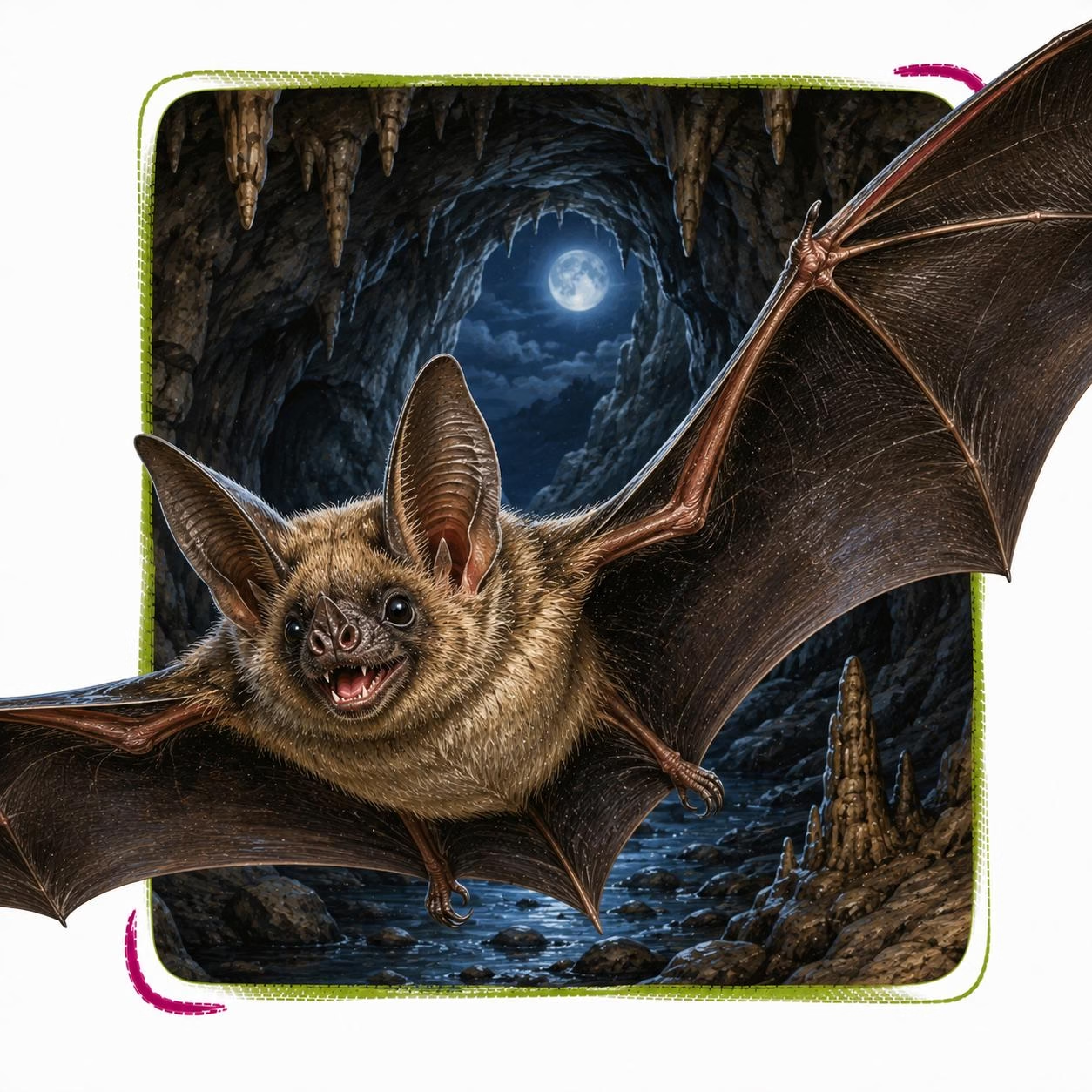
Bats are amazing mammals with wings. They are the only mammals that can truly fly, and many bats use echolocation to find their way and catch food in the dark.
Quick Bat Facts
- Animal Type: Mammal
- Group: Chiroptera
- Known For: True flight and echolocation
- Habitat: Caves, trees, forests, deserts, cities, barns, and bridges
- Diet: Insects, fruit, nectar, fish, and other foods depending on species
What You’ll Learn
Discover 10 amazing bat facts for kids about flight, echolocation, wings, food, and nighttime life, with a quiz, glossary, and bat activity
Easy explanations make these facts great for children, families, teachers, and budding animal experts.
10 Fun Bat Facts for Kids
1. Bats Are the Only Flying Mammals
Bats are the only mammals capable of true powered flight. Other mammals may glide, but bats flap wings and fly.
Kid Decode: Bats are mammals with superhero wings.
2. Bat Wings Are Stretched Hands
A bat wing is made from thin skin stretched over long finger bones. This gives bats flexible wings for flying.
Kid Decode: A bat wing is like a hand turned into an air sail.
3. Many Bats Use Echolocation
Many bats make high-pitched sounds and listen to echoes that bounce back. This helps them find objects and prey in the dark.
Kid Decode: Echolocation is bat sonar.
4. Bats Are Often Active at Night
Many bats are nocturnal, meaning they are active at night and rest during the day.
Kid Decode: Nighttime is bat rush hour.
5. Baby Bats Are Called Pups
A baby bat is called a pup. Bat pups often cling to their mothers or stay in safe roosts while they grow.
Kid Decode: A bat pup is a tiny winged baby in training.
6. Bats Rest in Roosts
Bats rest in places called roosts. Roosts can be caves, trees, buildings, bridges, or other sheltered spots.
Kid Decode: A bat roost is a cozy upside-down hangout.
7. Many Bats Eat Insects
Many bats eat mosquitoes, moths, beetles, and other insects. This can help control insect populations.
Kid Decode: Bats are tiny flying bug patrols.
8. Some Bats Eat Fruit or Nectar
Not all bats eat insects. Some fruit bats eat fruit, and nectar-feeding bats can help pollinate flowers.
Kid Decode: Some bats are nighttime gardeners with wings.
9. Bats Can Hang Upside Down
Bats often hang upside down when resting. Their feet are built to grip while they relax.
Kid Decode: Bats make upside-down look completely normal.
10. Bats Are Important for Nature
Bats help ecosystems by eating insects, pollinating plants, and spreading seeds, depending on the species.
Kid Decode: Bats are little night workers for nature.
The Weirdest Bat Fact
A bat wing is really a stretched-out hand with very long fingers covered by thin skin.
Try This Bat Activity
Bat Drawing Activity
Draw a bat flying under a moonlit sky. Add wide wings, long finger bones, stars, a cave roost, insects, and a few fruit trees below.
Quick Bat Quiz
- Are bats mammals? Answer: Yes.
- What makes bats special among mammals? Answer: They can truly fly.
- What is echolocation? Answer: Using sound echoes to find objects or food.
- What is a baby bat called? Answer: A pup.
- Where do bats rest? Answer: In roosts.
Mini Glossary
- Echolocation: Finding things by listening to echoes from sounds.
- Pup: A baby bat.
- Roost: A resting place for bats.
- Nocturnal: Active mostly at night.
- Pollinate: To help plants make seeds by moving pollen.



 Mantis Shrimp Facts for Kids
 Japanese Spider Crab Facts for Kids
 Mandarin Duck Facts for Kids
 Neochoerus Facts for Kids
More Animal Facts for Kids
Visit the full animal facts library or explore a focused animal group.
More Extinct Animal Facts for Kids
Discover dinosaurs, Ice Age giants, prehistoric sea creatures, recently extinct species, and other animals from the past.
Fact check note: Fact checked with Britannica bat resources, Britannica Kids bat echolocation resources, and trusted wildlife education references.

Bat in its natural Caves habitat