
Cow vs Ox: Cattle Role Comparison
Cow and ox are not names for two separate cattle species. In precise livestock language, a cow is an adult female that has usually produced a calf. An ox is a bovine trained for draft work, most commonly a mature castrated male domestic cattle animal. Cows focus biologically on reproduction and milk for their calves, while oxen are selected and trained to pull plows, carts, logs, and other loads. A cow can also be trained for draft work and serve as an ox in some regions.
About Cow
- Type Mammal
- Diet Herbivore
- Group Adult Female Cattle
- Known for Being an adult female, giving birth to calves, producing milk, mooing, herd relationships, grazing, and life alongside people
- Special skill Producing milk for a calf, forming long-term social relationships, digesting tough vegetation through rumination, and adapting through diverse breeds
About Ox
- Type Mammal
- Diet Herbivore
- Group Working Cattle
- Known for Draft work, patient training, pulling plows and carts, wooden yokes, teamwork, strength, and steady endurance
- Special skill Pulling heavy loads steadily, responding to voice commands, working in a yoke, and providing power for farming and transport
Cow vs Ox: Quick Answer
A cow is an adult female bovine, while an ox is a bovine trained to work. The typical cattle ox is a mature castrated male, but “ox” describes the animal’s job rather than its species or sex alone. A cow usually has an udder for feeding a calf; a typical male ox does not. Either may have horns depending on breed.
Where Do They Fit?
Follow the branches to see how Cow and Ox are classified and related.
Cow vs Ox: Quick Comparison
| Feature | Cow | Typical Cattle Ox |
|---|---|---|
| Animal type | Adult female domestic cattle | Domestic cattle trained for work |
| Scientific name | Bos taurus in this representative comparison | Bos taurus in this representative comparison |
| Main meaning | A sex and life-stage term | A working role |
| Typical sex | Female | Usually a castrated male, though other bovines may work |
| Main biological role | Producing calves and milk | No special reproductive role defines an ox |
| Main farm role | Dairy, breeding, beef production, grazing, or sometimes draft work | Pulling plows, carts, timber, and machinery |
| Training | Handled for herd and farm routines | Receives specialized command, yoke, and pulling training |
| Visible clue | An adult female may have a developed udder | A typical male ox has no udder and may wear draft equipment while working |
| Horns | May be horned or naturally hornless | May be horned or naturally hornless |
| Baby name | Calf | Calf before becoming a trained working animal |
| Special ability | Producing milk and caring for a calf | Applying trained pulling power steadily |
How Are Cows and Oxen Alike?
- Both cows and typical oxen are domestic cattle of the species Bos taurus in this comparison.
- Both are mammals, bovines, ruminant herbivores, and members of the family Bovidae.
- Both have cloven hooves, broad muzzles, four-compartment stomachs, and strong herd instincts.
- Both may grow horns or be naturally hornless depending on breed and genetics.
- Both can learn routines, recognize familiar individuals, and work calmly with skilled handlers.
How Are Cows and Oxen Different?
- A cow is defined as an adult female bovine, while an ox is defined mainly by training and draft work.
- A cow may become pregnant, give birth, and produce milk, while the typical castrated male ox cannot father calves.
- Most oxen receive specialized training for commands, yokes, teamwork, and pulling loads.
- A typical adult cow has a developed udder, while a typical male ox does not.
- The plural of cow is cows, while the traditional plural of ox is oxen.
Cow vs Ox Showdown
Cattle showdown: Size and speed are ties because cattle breeds and individuals vary greatly. The ox wins strength as the trained pulling specialist, while stealth, social behavior, and swimming remain ties because both are cattle with similar underlying abilities. The ox wins the weirdest-fact prize because it is a job title: even a cow can technically become an ox if trained and used for draft work. The cow has the unique reproductive ability to bear and nurse calves, which is more meaningful than any showdown category.
Fun Cow vs Ox Facts
An Adult-Female Term vs a Working Term
“Cow” identifies an adult female bovine, usually one that has produced a calf. “Ox” identifies a bovine trained and used for draft work. The words therefore describe different kinds of information and can sometimes overlap.
Milk Maker vs Pulling Partner
After giving birth, a cow’s mammary glands produce milk that naturally feeds her calf and may also support dairy farming. A typical ox is trained to turn muscular effort into steady pulling through a carefully fitted yoke or harness.
A Cow Can Also Work as an Ox
Most familiar cattle oxen are castrated males, but adult females have also pulled plows and carts in many places and historical periods. When a cow is trained and used as a draft animal, she can perform the working role of an ox while remaining biologically a cow.
Oxen Learn Team Commands
Working cattle practice starting, stopping, backing, turning, standing quietly, and matching another animal’s pace. Commands differ across languages and regions, but successful draft work depends on trust, repetition, good equipment, and patient handling.
Horns Cannot Settle the Question
Cows and oxen may both have horns, and either can belong to a naturally hornless or polled breed. A visible udder, working equipment, behavior, context, and farm records provide better clues than horns.
Cow vs Ox Quiz
- Which term means an adult female bovine? Answer: Cow.
- Which term describes a bovine trained for draft work? Answer: Ox.
- What is the plural of ox? Answer: Oxen.
- Can a cow be trained to perform the role of an ox? Answer: Yes.
- Can horns alone distinguish a cow from an ox? Answer: No.
Cow vs Ox FAQ
What is the main difference between a cow and an ox?
A cow is an adult female bovine. An ox is a bovine trained and used for draft work, most commonly a mature castrated male cattle animal.
Can a cow be an ox?
Yes. Because “cow” describes sex and “ox” describes a working role, an adult female trained and used for draft work can correctly be both.
Is an ox a different species from a cow?
Usually no. A cow and typical cattle ox may both be Bos taurus and even belong to the same breed. Their labels describe sex, reproductive status, training, and work.
Why are most oxen male?
Male cattle can grow large and powerful, and castrated males are often steady and easier to manage than intact bulls. Using males for work also leaves cows available to produce calves and milk, although practices vary.
Do all cows and oxen have horns?
No. Both can be horned, naturally hornless, or managed without horns depending on breed, genetics, and farming practices.
Animal Words to Know
- Cow: An adult female bovine, usually one that has produced a calf.
- Ox: A bovine trained and used for draft work, commonly a mature castrated male.
- Udder: The mammary organ that produces and stores milk in female cattle.
- Draft work: Work that involves pulling a load or machine.
- Polled: Naturally born without horns because of inherited genetics.
Cow and Ox Role Activity
Cow and Ox Role Activity
Draw an adult cow with a calf in a pasture and a trained ox wearing a fitted yoke. Add a caption explaining that cow means an adult female, while ox describes a trained work animal and is not a separate species. Most oxen are castrated males, although cattle of either sex can be trained for draft work. Label cow, ox, calf, adult female, yoke, and work role.
Meet Each Animal
Want the full fact file? Here are quick highlights from each animal’s own facts page.
Cow Fact Highlight
From the full animal facts page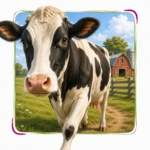
Ox Fact Highlight
From the full animal facts page
More Animal Comparisons
Pick another animal matchup and keep exploring. Compare appearances, habitats, diets, abilities, and surprising differences.






Make an Animal Story
Turn this cow vs ox comparison into a dairy-and-draft farm adventure with our free Animal Story Generator.
Source notes: References used for this comparison. See more See less
Try Another Matchup
Explore this comparison →