
Emu Facts for Kids
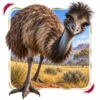
Emus are large flightless birds from Australia. They are the second largest living birds after ostriches, with long legs, shaggy feathers, strong running speed, and a curious wandering life across open habitats.
Quick Emu Facts
- Animal Type: Bird
- Group: Flightless bird and ratite
- Known For: Long legs, running speed, shaggy feathers, and Australian habitat
- Habitat: Grasslands, savannas, open forests, scrublands, farmland edges, dry plains, and many Australian habitats
- Diet: Seeds, fruit, flowers, shoots, grasses, insects, caterpillars, beetles, and other small foods
What You’ll Learn
Explore 10 speedy emu facts for kids about powerful legs, feathers, giant eggs, running, and Australian habitats, plus a quiz, glossary, and emu activity
These simple facts are made for kids, parents, teachers, and curious young learners.
10 Fun Emu Facts for Kids
1. Emus Are Birds
Emus are birds with feathers, beaks, eggs, warm bodies, and wings, even though they cannot fly.
Kid Decode: An emu is a feathered sprinter with tiny wings.
2. Emus Are Flightless
Emus cannot fly, but their long strong legs help them travel and run quickly across land.
Kid Decode: They traded sky tickets for running shoes.
3. Emus Live in Australia
Wild emus live in Australia, where they roam open forests, grasslands, scrublands, and dry country.
Kid Decode: Australia is their giant outdoor walking track.
4. Emus Are Very Tall
Emus are the second largest living birds and can stand taller than many children.
Kid Decode: This bird is a walking feather tower.
5. Emus Can Run Fast
Emus can sprint quickly, using long legs and powerful feet to escape danger.
Kid Decode: Their legs are built for dusty speed.
6. Baby Emus Are Chicks
Baby emus are called chicks. They have striped downy feathers that help camouflage them.
Kid Decode: An emu chick looks like a tiny striped watermelon runner.
7. Male Emus Care for Eggs
Male emus sit on the eggs and care for chicks after they hatch.
Kid Decode: Dad emu becomes the nest guardian and chick guide.
8. Emu Eggs Are Dark Green
Emu eggs are large and dark green, looking almost like shiny forest stones.
Kid Decode: The eggs look like giant green gems.
9. Emus Eat Many Foods
Emus are omnivores, eating seeds, fruit, flowers, insects, and other small foods.
Kid Decode: The emu menu is plants with crunchy bug bonuses.
10. Emus Help Spread Seeds
By eating fruit and moving across wide areas, emus can help spread seeds through their droppings.
Kid Decode: They are wandering gardeners with feathers.
The Weirdest Emu Fact
Male emus do most of the egg-sitting and chick-raising, turning dad into the fluffy nursery boss.
Try This Emu Activity
Emu Drawing Activity
Draw an emu running across the Australian grassland. Add long legs, shaggy feathers, small wings, striped chicks, dark green eggs, seeds, insects, dry grass, and a sunny sky.
Quick Emu Quiz
- Where do emus live naturally? Answer: Australia.
- Can emus fly? Answer: No.
- What are baby emus called? Answer: Chicks.
- What color are emu eggs? Answer: Dark green.
- Which parent sits on the eggs? Answer: The male.
Mini Glossary
- Flightless: Unable to fly.
- Chick: A baby bird.
- Ratite: A group of flightless birds with flat breastbones, such as emus and ostriches.
- Omnivore: An animal that eats both plants and animals.
- Camouflage: Colors or patterns that help an animal blend in.

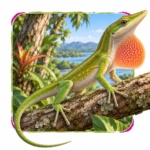 Anole Facts for Kids
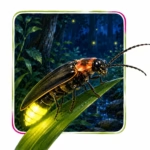 Firefly Facts for Kids
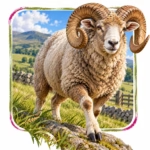 Ram Facts for Kids
 Euoplocephalus Facts for Kids
More Animal Facts for Kids
Visit the full animal facts library or explore a focused animal group.
More Extinct Animal Facts for Kids
Discover dinosaurs, Ice Age giants, prehistoric sea creatures, recently extinct species, and other animals from the past.
Fact check note: Fact checked with Britannica emu resources, Britannica Kids emu resources, and trusted Australian bird education references.

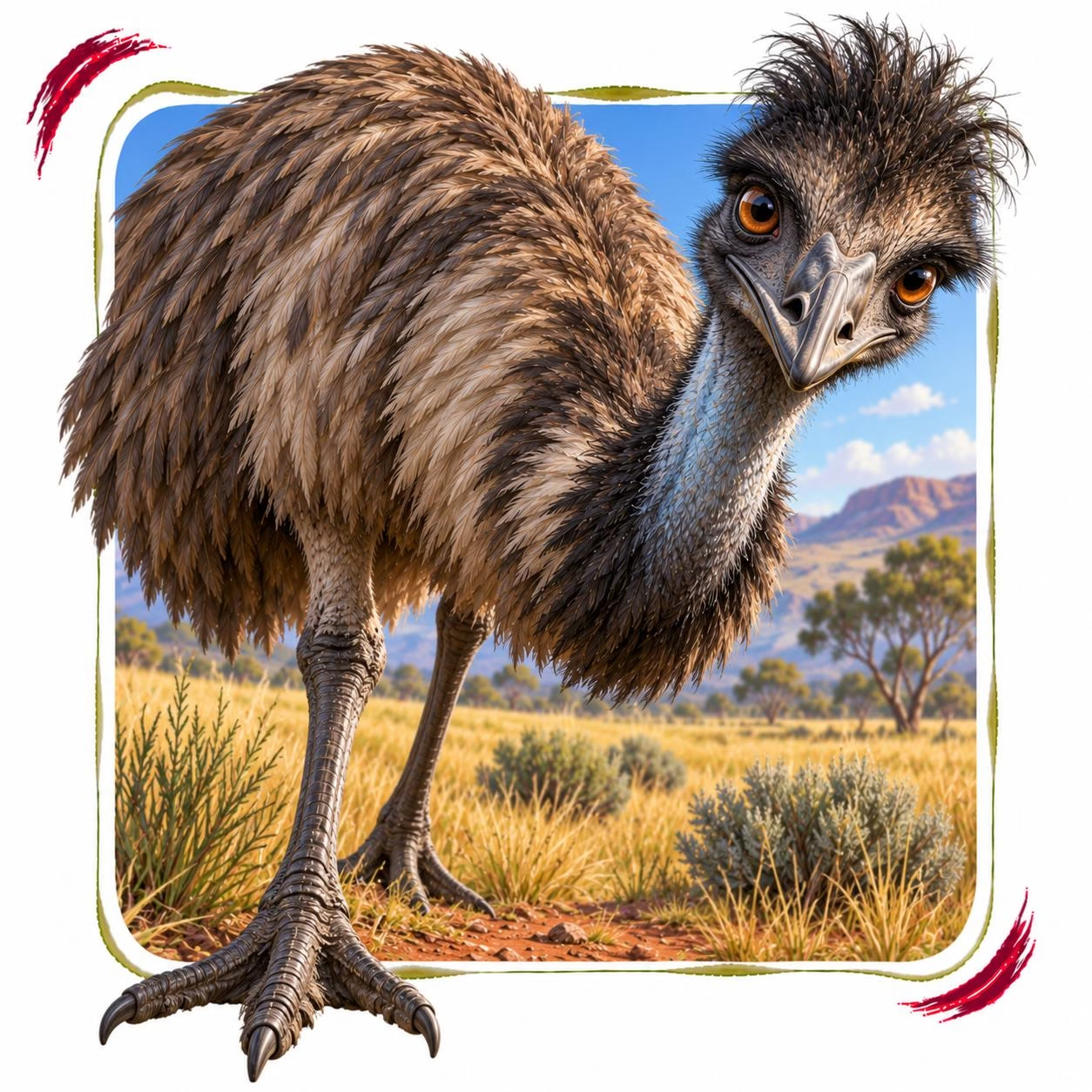
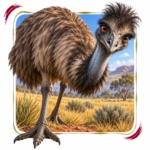
Emu in its natural Grasslands habitat