
Gecko Facts for Kids
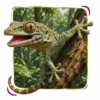
Geckos are small lizards with soft skin, big eyes, quick movements, and amazing climbing feet. Many geckos are active at night and can climb walls or ceilings using special toe pads.
Quick Gecko Facts
- Animal Type: Reptile
- Group: Lizard
- Known For: Sticky toe pads and wall climbing
- Habitat: Forests, deserts, grasslands, rocky places, houses, and warm habitats
- Diet: Insects, spiders, worms, fruit, nectar, and small animals depending on species
What You’ll Learn
Explore 10 amazing gecko facts for kids about sticky toes, climbing, tails, eyesight, and nighttime life, with a quiz, glossary, and gecko activity
Easy explanations make these facts fun for children, families, teachers, and curious young learners.
10 Fun Gecko Facts for Kids
1. Geckos Are Lizards
Geckos are reptiles in the lizard group. They have scaly skin, tails, and cold-blooded bodies.
Kid Decode: A gecko is a tiny wall-walking lizard.
2. Many Geckos Have Sticky Toe Pads
Many geckos have special toe pads covered with tiny hairlike structures. These help them grip smooth surfaces.
Kid Decode: Gecko toes are nature’s tiny climbing stickers.
3. Geckos Can Climb Walls
Thanks to their toe pads, many geckos can climb walls, glass, rocks, and even ceilings.
Kid Decode: Geckos treat ceilings like sidewalks.
4. Many Geckos Are Nocturnal
Many gecko species are active at night. Big eyes help them see in dim light.
Kid Decode: Geckos run the night shift on tiny feet.
5. Geckos Eat Insects
Many geckos eat insects such as moths, flies, crickets, and beetles. Some species also eat fruit or nectar.
Kid Decode: A gecko is a little bug patrol with blinking eyes.
6. Geckos Can Make Sounds
Unlike many lizards, geckos can make chirps, clicks, squeaks, or barking sounds to communicate.
Kid Decode: Geckos have tiny reptile sound effects.
7. Baby Geckos Are Called Hatchlings
Many geckos lay eggs, and baby geckos are called hatchlings. They often look like tiny adults.
Kid Decode: A gecko hatchling is a mini climber ready for adventure.
8. Some Geckos Drop Their Tails
Some geckos can lose their tails to escape predators. A new tail may grow back, though it may look different.
Kid Decode: Gecko tails have emergency escape settings.
9. Geckos Have No Eyelids in Many Species
Many geckos cannot blink because they do not have movable eyelids. They may lick their eyes to clean them.
Kid Decode: A gecko can polish its eyes with its tongue.
10. Geckos Live in Many Warm Places
Geckos are found in many warm habitats around the world, from forests and deserts to homes and gardens.
Kid Decode: Geckos are tiny warm-weather wanderers.
The Weirdest Gecko Fact
Many geckos can climb glass and ceilings using microscopic structures on their toe pads.
Try This Gecko Activity
Gecko Drawing Activity
Draw a gecko climbing a wall at night. Add big eyes, sticky toes, a curved tail, tiny insects, moonlight, leaves, and a warm glowing window.
Quick Gecko Quiz
- Are geckos reptiles? Answer: Yes.
- What helps many geckos climb walls? Answer: Sticky toe pads.
- Are many geckos active at night? Answer: Yes.
- What are baby geckos called? Answer: Hatchlings.
- What might some geckos drop to escape danger? Answer: Their tails.
Mini Glossary
- Toe Pads: Special pads on gecko toes that help with climbing.
- Nocturnal: Active mostly at night.
- Hatchling: A young animal that has just hatched from an egg.
- Predator: An animal that hunts other animals.
- Reptile: A scaly animal group that includes lizards, snakes, turtles, and crocodilians.
 Mole Crab Facts for Kids
 Eland Facts for Kids
 Moray Eel Facts for Kids
 Tanystropheus Facts for Kids
More Animal Facts for Kids
Visit the full animal facts library or explore a focused animal group.
More Extinct Animal Facts for Kids
Discover dinosaurs, Ice Age giants, prehistoric sea creatures, recently extinct species, and other animals from the past.
Fact check note: Fact checked with Britannica gecko resources, Britannica adhesive pad resources, and trusted reptile education references.

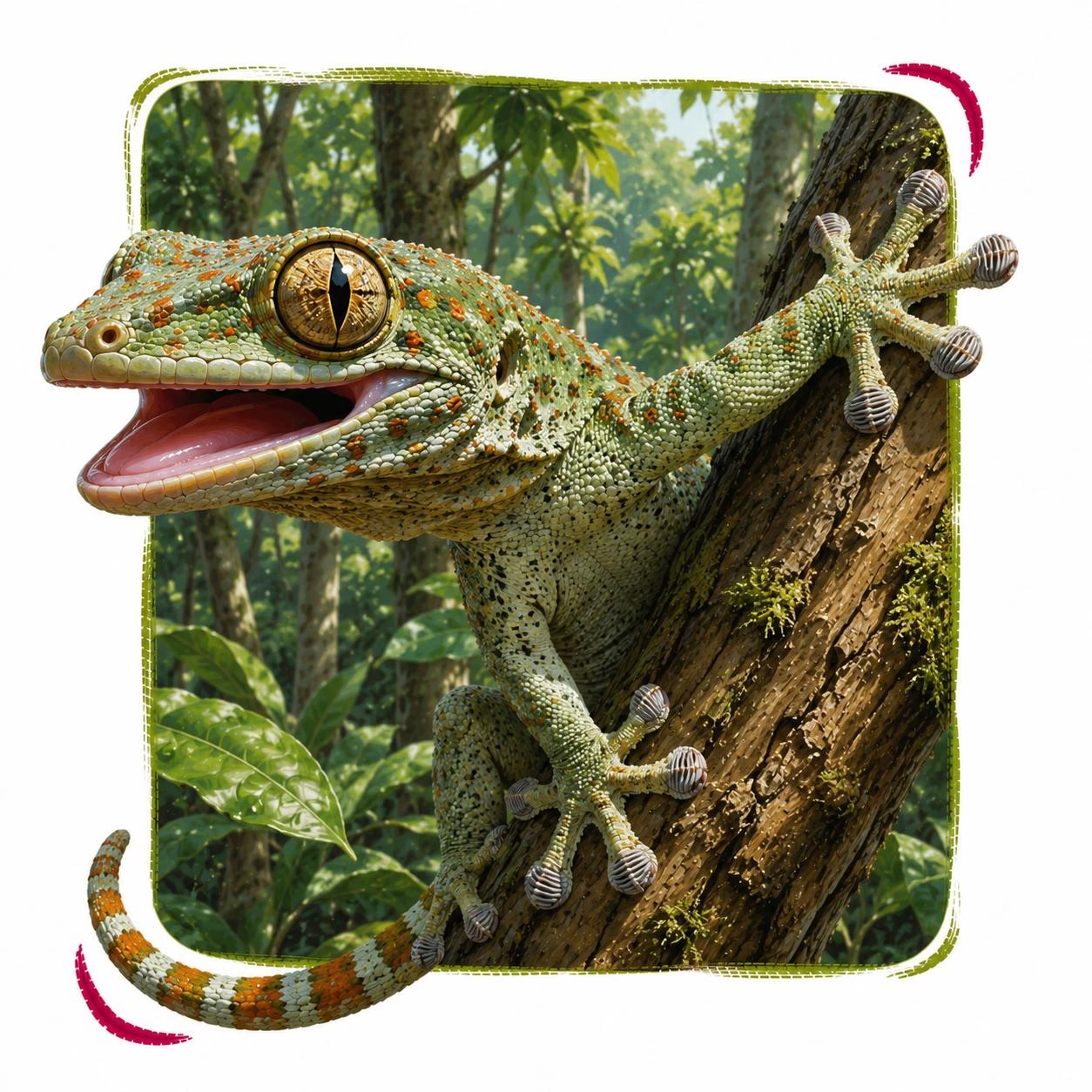
Gecko in its natural Forests habitat