
Giraffe Facts for Kids
Giraffes are the tallest animals on Earth. They are famous for their long necks, spotted coats, long tongues, and gentle nature. These amazing animals live in Africa and spend much of their day eating leaves from tall trees.
Quick Giraffe Facts
- Animal Type: Mammal
- Group: Herbivore
- Known For: Long neck
- Habitat: Savannas and woodlands
- Diet: Leaves, flowers, and fruits
What You’ll Learn
Learn 10 surprising giraffe facts for kids about long necks, tongues, spots, sleeping, and life on the savanna, plus a quiz, glossary, and activity
Easy explanations make them ideal for kids, families, classrooms, and fact-loving young explorers.
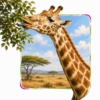
10 Fun Giraffe Facts for Kids
1. Giraffes Are the Tallest Animals on Earth
Adult giraffes can grow up to about 5.5 meters (18 feet) tall. Their height helps them reach leaves high in trees.
Kid Decode: Giraffes are nature’s tallest skyscrapers.
2. Giraffes Have the Same Number of Neck Bones as Humans
Even though giraffes have very long necks, they usually have only seven neck bones, just like humans.
Kid Decode: Giraffes stretch seven neck bones farther than almost any animal.
3. Giraffes Use Long Tongues to Grab Leaves
A giraffe’s tongue can be around 45 to 50 centimeters long and helps pull leaves from branches.
Kid Decode: A giraffe’s tongue is like a built-in leaf picker.
4. Giraffes Have Unique Spot Patterns
No two giraffes have exactly the same spot pattern. Their spots help scientists tell them apart.
Kid Decode: Giraffe spots are like natural fingerprints.
5. Giraffes Have Huge Hearts
A giraffe’s heart can weigh more than 10 kilograms and helps pump blood all the way up its long neck to the brain.
Kid Decode: Giraffes need super-powered hearts for their super-long necks.
6. Baby Giraffes Are Very Tall
Newborn giraffes can be around 1.8 meters (6 feet) tall at birth and can stand within hours.
Kid Decode: Baby giraffes start life taller than many adults.
7. Giraffes Spend Most of the Day Eating
Giraffes may spend many hours eating leaves, especially from acacia trees.
Kid Decode: Giraffes turn snacking into a full-time job.
8. Giraffes Can Run Fast
Despite their size, giraffes can run at speeds of up to about 60 kilometers per hour for short distances.
Kid Decode: Giraffes are surprisingly speedy giants.
9. Giraffes Use Their Necks in Fights
Male giraffes sometimes swing their necks at each other in contests called necking.
Kid Decode: Giraffes can turn their necks into nature’s jousting sticks.
10. Giraffes Help Their Ecosystem
By eating leaves and spreading seeds, giraffes help maintain healthy habitats for other animals.
Kid Decode: Giraffes are gentle gardeners of the savanna.
The Weirdest Giraffe Fact
A giraffe’s tongue is often dark blue, purple, or black. Scientists think the color may help protect it from sun exposure while feeding.
Try This Giraffe Activity
Giraffe Drawing Activity
Draw a giraffe reaching for leaves at the top of a tall acacia tree. Add spots, a sunny sky, birds, and other animals on the savanna below.
Quick Giraffe Quiz
- What is the tallest animal on Earth? Answer: The giraffe.
- How many neck bones does a giraffe have? Answer: Seven.
- What do giraffes mostly eat? Answer: Leaves.
- Are all giraffe spot patterns the same? Answer: No.
- What is a contest between male giraffes called? Answer: Necking.
Mini Glossary
- Herbivore: An animal that eats plants.
- Acacia: A tree commonly eaten by giraffes.
- Habitat: The natural home of an animal.
- Necking: A contest where male giraffes swing their necks.
- Savanna: A grassy habitat with scattered trees.
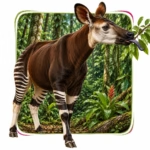
 Ferret Facts for Kids
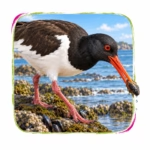 Oystercatcher Facts for Kids
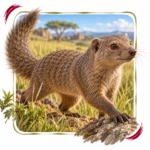 Mongoose Facts for Kids
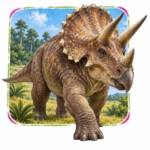 Triceratops Facts for Kids
More Animal Facts for Kids
Visit the full animal facts library or explore a focused animal group.
More Extinct Animal Facts for Kids
Discover dinosaurs, Ice Age giants, prehistoric sea creatures, recently extinct species, and other animals from the past.
Fact check note: Fact checked with Britannica Kids, National Geographic Kids, San Diego Zoo Wildlife Alliance, and World Wildlife Fund educational resources.

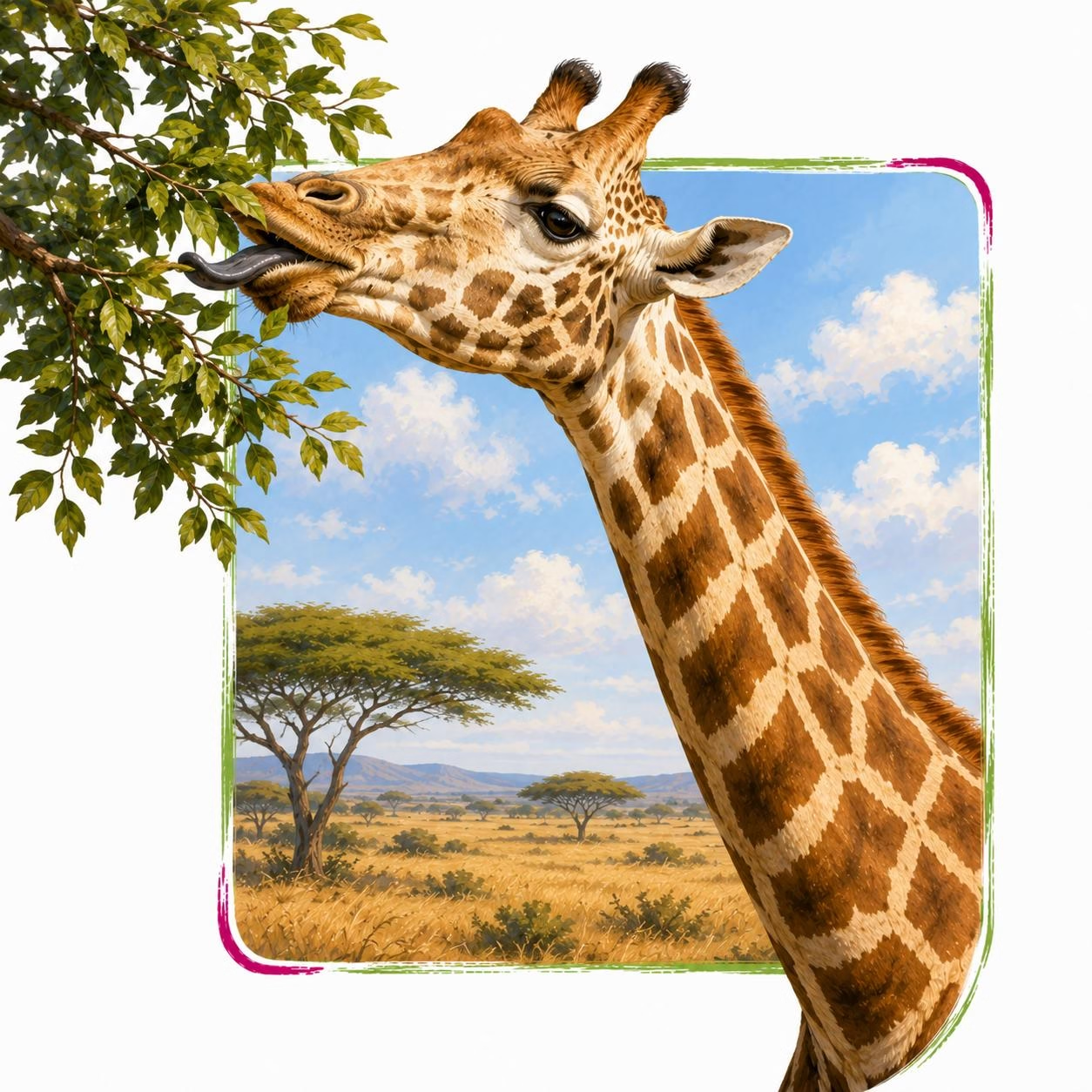
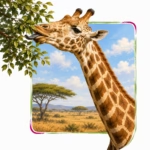
Giraffe in its natural Savannas habitat