
Maned Wolf Facts for Kids
The Maned Wolf, Chrysocyon brachyurus, is a tall, red-gold member of the dog family from South America. Despite its name and fox-like face, it is neither a true wolf nor a fox. Long black legs carry it through grasslands and savannas, huge ears help locate small prey, and an unusual omnivorous diet includes plenty of fruit. It is the only living species in the genus Chrysocyon.
Quick Maned Wolf Facts
- Animal Type: Mammal
- Group: South American canid and only living member of the genus Chrysocyon
- Known For: Very long black legs, reddish coat, large ears, dark mane, roar-bark, and fruit-rich diet
- Habitat: Grasslands, savannas, scrub, marshes, and open woodland in South America
- Diet: Omnivore eating fruit, small mammals, birds, reptiles, insects, and other foods
What You’ll Learn
Explore 10 unusual maned wolf facts for kids about long legs, reddish fur, giant ears, fruit-eating, and South American grasslands, with a quiz, glossary, and activity
Easy explanations make them fun for children, families, teachers, and young animal explorers.
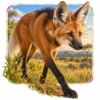
10 Fun Maned Wolf Facts for Kids
1. It Is Neither a True Wolf nor a Fox
The Maned Wolf belongs to the canid family, but genetic evidence shows that it is not a member of the true-wolf genus Canis or a true fox. It is the only living species in its own genus, Chrysocyon, meaning golden dog.
Kid Decode: It looks like a fox on stilts and carries a wolf name, but it has its own branch of the dog-family tree.
2. It Is South America’s Tallest Wild Canid
A Maned Wolf stands about 90 centimetres at the shoulder and commonly weighs around 23 kilograms. Much of that height comes from its remarkably long, slender legs.
Kid Decode: This wild dog borrowed the leg design of a runway model.
3. Long Legs Help in Tall Grass
Its elevated body can move through deep grass and may help the animal see and listen over vegetation while searching for food. The black lower legs also make its red-gold body look even taller.
Kid Decode: Those legs are natural grassland lookout towers.
4. The Dark Mane Can Stand Up
A strip of longer dark hair runs along the neck and shoulders. When a Maned Wolf feels threatened or displays toward another animal, this mane can rise and make its outline appear larger.
Kid Decode: The wolf’s built-in warning flag runs down the back of its neck.
5. Fruit Can Make Up Half Its Diet
Maned Wolves are true omnivores. They eat rodents, birds, insects, reptiles, and other animal food, but fruits and vegetables can make up around half of the diet depending on season and location.
Kid Decode: This long-legged hunter is also a very serious fruit customer.
6. They Love the Wolf Apple
The tomato-like lobeira is often called the wolf apple or fruit of the wolf. Maned Wolves swallow the fruit and later spread many intact seeds in their droppings, helping new plants grow.
Kid Decode: A fruity meal turns the Maned Wolf into a seed-delivery service.
7. They Usually Hunt Alone
Unlike Gray Wolves, Maned Wolves do not form hunting packs. An individual often walks and hunts alone, using its rotating ears to find small animals hidden in vegetation before pouncing or digging.
Kid Decode: No pack chase is required when giant ears can point toward a tiny rustle.
8. Pairs Share a Territory
Adult males and females may form long-term pairs and share an overlapping territory even though they spend much of their time apart. They communicate through scent marks and calls and meet more closely during breeding.
Kid Decode: A Maned Wolf couple can share an address without walking side by side all day.
9. They Roar-Bark Instead of Howling
Maned Wolves use deep, repeated roar-barks to advertise their location or warn another wolf away. They can also growl and whine, but they do not communicate with the long group howls familiar from Gray Wolves.
Kid Decode: The grassland message is a booming bark, not a moonlit pack howl.
10. Habitat Loss and Roads Threaten Them
The IUCN classifies the Maned Wolf as Near Threatened. Conversion of South American grasslands, road deaths, conflict with people, and diseases passed by domestic dogs can reduce and fragment populations.
Kid Decode: Tall legs help with grass, but they cannot protect a wolf from a disappearing home or speeding vehicle.
The Weirdest Maned Wolf Fact
A wild fruit is named after the Maned Wolf, and the relationship works both ways: wolves eat wolf apples, carry their seeds, and deposit them in nutrient-rich droppings where some can germinate.
Try This Maned Wolf Activity
Maned Wolf Grassland Activity
Draw a Maned Wolf walking through the South American Cerrado. Add a red-gold coat, huge ears, long black legs, raised dark mane, white throat and tail tip, tall grasses, a wolf-apple plant, small rodents, seed-filled droppings, a roar-bark sound bubble, pups near a sheltered den, and a safe wildlife crossing over a road.
Quick Maned Wolf Quiz
- Is a Maned Wolf a true wolf or fox? Answer: No; it is a distinct South American canid.
- Why are its legs so useful? Answer: They help it move and see through tall grass.
- What famous fruit does it eat? Answer: The wolf apple, or lobeira.
- Do Maned Wolves usually hunt in packs? Answer: No, they usually hunt alone.
- What is their IUCN category? Answer: Near Threatened.
Mini Glossary
- Canid: A member of the dog family, including dogs, wolves, foxes, and their relatives.
- Cerrado: A vast tropical savanna region in South America, especially Brazil.
- Omnivore: An animal that eats both plant and animal food.
- Territory: An area an animal uses and may mark or defend.
- Seed Dispersal: Moving seeds away from a parent plant so they can grow in new places.

 Centipede Facts for Kids
 Spectacled Bear Facts for Kids
 House Sparrow Facts for Kids
 Thylacoleo Facts for Kids
More Animal Facts for Kids
Visit the full animal facts library or explore a focused animal group.
More Extinct Animal Facts for Kids
Discover dinosaurs, Ice Age giants, prehistoric sea creatures, recently extinct species, and other animals from the past.
Fact check note: Fact checked with the Smithsonian’s National Zoo Maned Wolf fact sheet and conservation articles, the IUCN Red List assessment for Chrysocyon brachyurus, WWF’s Maned Wolf profile, and San Diego Zoo Wildlife Alliance educational resources.

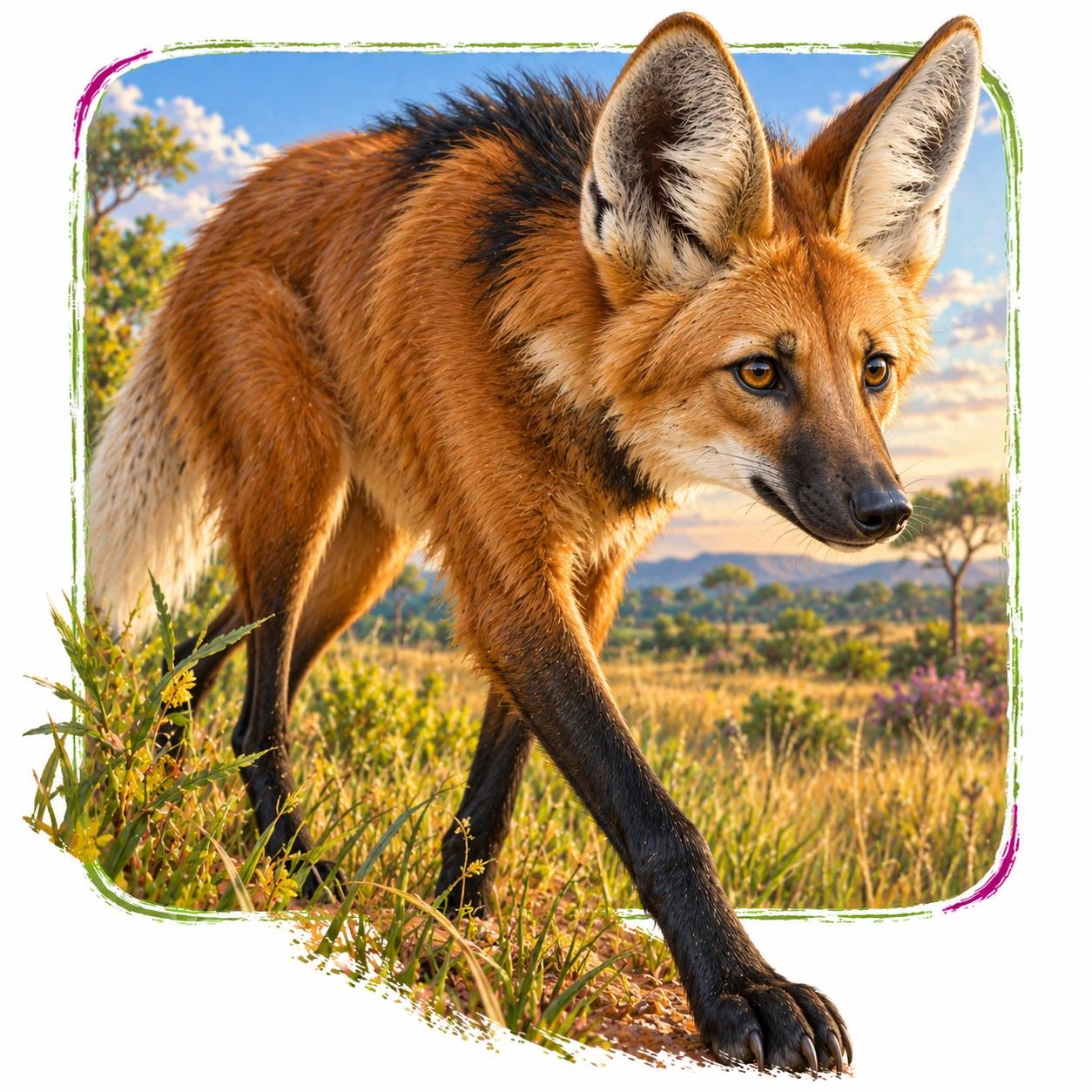
Maned Wolf in its natural Cerrado grasslands, savannas, scrublands, marshes, wet grasslands, and open woodland in central and eastern South America habitat