
Manta Ray Facts for Kids
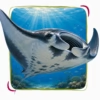
Manta rays are graceful ocean fish related to sharks and rays. They glide through warm waters using giant wing-like fins and filter tiny plankton and small animals from the water.
Quick Manta Ray Facts
- Animal Type: Fish
- Group: Ray
- Known For: Huge wing-like fins and filter feeding
- Habitat: Warm ocean waters near islands, reefs, coastlines, and open seas
- Diet: Plankton, tiny sea animals, and small fish
What You’ll Learn
Learn 10 graceful manta ray facts for kids about giant fins, filter feeding, swimming, intelligence, and tropical seas, with a quiz, glossary, and manta ray activity
Easy language makes them fun for children, families, teachers, and curious little learners.
10 Fun Manta Ray Facts for Kids
1. Manta Rays Are Fish
Manta rays are fish, not mammals. They breathe through gills and live in the ocean.
Kid Decode: A manta ray is a flying carpet of the sea.
2. Manta Rays Are Related to Sharks
Manta rays are close relatives of sharks and skates. Like sharks, they have skeletons made of cartilage.
Kid Decode: Manta rays are the graceful cousins in the shark family neighborhood.
3. Manta Rays Have Wing-Like Fins
Manta rays swim by flapping their large pectoral fins like wings. This gives them a smooth gliding motion.
Kid Decode: Manta fins are ocean wings without feathers.
4. Manta Rays Filter Feed
Manta rays feed by filtering plankton and tiny animals from seawater as they swim.
Kid Decode: A manta ray eats with a gentle ocean strainer.
5. Manta Rays Use Cephalic Fins
Manta rays have special head fins called cephalic fins. These fins help guide food-rich water into their mouths.
Kid Decode: Cephalic fins are manta snack funnels.
6. Baby Manta Rays Are Called Pups
A baby manta ray is called a pup. Manta pups are born looking like tiny versions of adults.
Kid Decode: A manta pup starts life as a tiny sea pancake with wings.
7. Manta Rays Are Gentle Giants
Manta rays can be very large, but they are gentle filter feeders and do not hunt people.
Kid Decode: Big wings, tiny snacks, calm attitude.
8. Manta Rays Do Not Have Stingers
Manta rays are related to stingrays, but manta rays do not have venomous tail stingers.
Kid Decode: A manta ray skipped the sting and chose elegance.
9. Manta Rays Can Leap From Water
Manta rays may leap or flip out of the water. Scientists are still studying why they do this.
Kid Decode: A manta leap is a giant splashy mystery.
10. Manta Rays Need Clean Oceans
Manta rays can be harmed by fishing gear, pollution, boat traffic, and habitat problems. Protecting oceans helps them survive.
Kid Decode: Clean oceans keep manta wings gliding.
The Weirdest Manta Ray Fact
Manta rays use special rolled-up head fins called cephalic fins to help funnel plankton-rich water into their mouths.
Try This Manta Ray Activity
Manta Ray Drawing Activity
Draw a manta ray gliding over a coral reef. Add wide wing-like fins, cephalic fins, tiny plankton dots, bubbles, sunlight rays, and small fish below.
Quick Manta Ray Quiz
- Are manta rays fish or mammals? Answer: Fish.
- What do manta rays mostly eat? Answer: Plankton and tiny sea animals.
- What do manta rays use to breathe? Answer: Gills.
- What are baby manta rays called? Answer: Pups.
- Do manta rays have venomous tail stingers? Answer: No.
Mini Glossary
- Plankton: Tiny living things that drift in water.
- Gills: Body parts fish use to get oxygen from water.
- Cephalic Fins: Head fins that help guide food into a manta ray’s mouth.
- Cartilage: Strong flexible material in sharks and rays.
- Pup: A baby manta ray or shark.
 Sand Dollar Facts for Kids
 Bengal Tiger Facts for Kids
 Bird-of-Paradise Facts for Kids
 Eastern Hare-Wallaby Facts for Kids
More Animal Facts for Kids
Visit the full animal facts library or explore a focused animal group.
More Extinct Animal Facts for Kids
Discover dinosaurs, Ice Age giants, prehistoric sea creatures, recently extinct species, and other animals from the past.
Fact check note: Fact checked with Britannica manta ray resources, Britannica ray resources, Britannica Kids ray resources, and trusted marine wildlife education references.

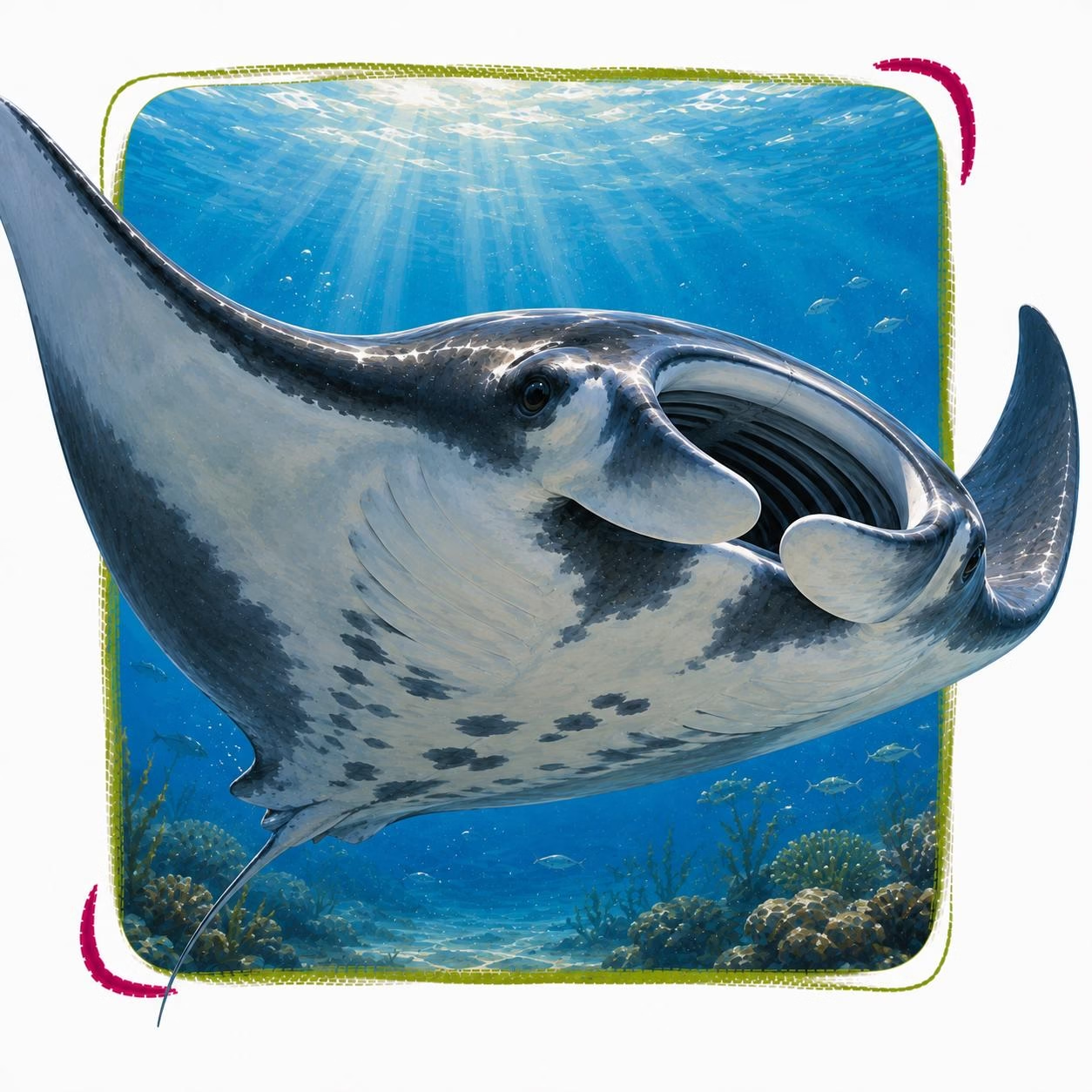
Manta Ray in its natural Oceans habitat