
Nyala Facts for Kids
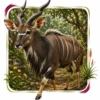
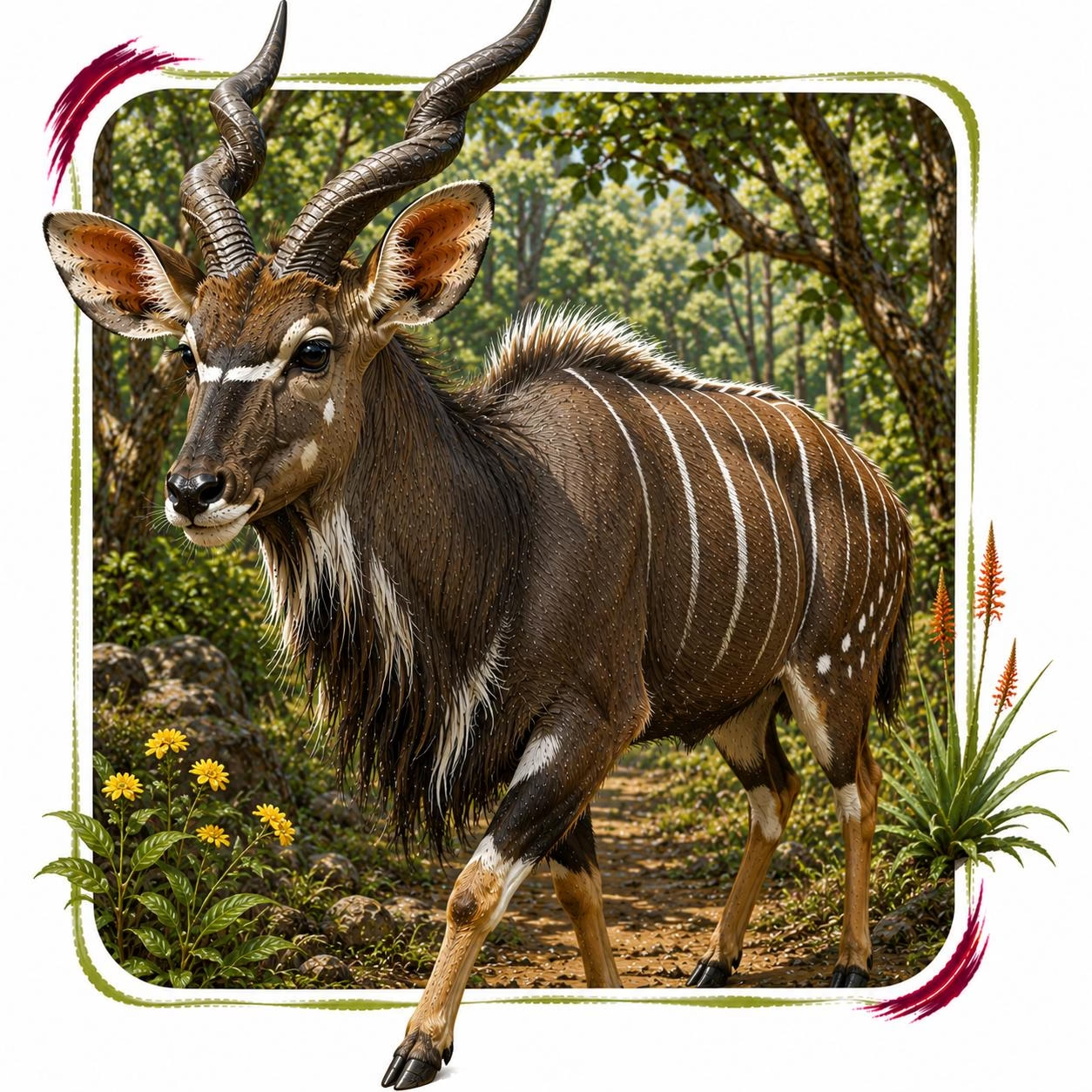
Nyalas are elegant antelopes from southeastern Africa with white stripes, big ears, and shy forest habits. Males are dark with spiral horns, while females are reddish brown and usually smaller.
Quick Nyala Facts
- Animal Type: Mammal
- Group: Antelope and bovid
- Known For: White stripes, shy forest life, and male spiral horns
- Habitat: Dense woodlands, river forests, thickets, savannas, and bushy areas in southeastern Africa
- Diet: Leaves, shoots, fruit, flowers, grasses, herbs, bark, and other plant material
What You’ll Learn
Explore 10 beautiful nyala facts for kids about stripes, horns, woodland habitats, diet, and differences between males and females, plus a quiz, glossary, and activity
Clear explanations make them fun for children, families, teachers, and young animal lovers.
10 Fun Nyala Facts for Kids
1. Nyalas Are Antelopes
Nyalas are antelopes in the bovid family, the same big group that includes cattle, buffalo, goats, sheep, and gazelles.
Kid Decode: A nyala is a forest antelope with stripe-painted style.
2. Nyalas Live in Southeastern Africa
Wild nyalas live in southeastern Africa, especially in thick woodlands and bushy areas where cover is close by.
Kid Decode: Their favorite address is leafy, shady, and good for hiding.
3. Male Nyalas Have Spiral Horns
Male nyalas have long spiral horns, while females do not have horns.
Kid Decode: The horns look like twisty forest crowns.
4. Males and Females Look Different
Male nyalas are usually darker, while females are reddish brown with clearer white stripes.
Kid Decode: It is one animal with two very different outfits.
5. Baby Nyalas Are Calves
Baby nyalas are called calves. Calves hide in thick cover while their mothers feed nearby.
Kid Decode: A nyala calf is a tiny striped secret in the bushes.
6. Nyalas Have White Stripes
Nyalas have vertical white stripes and spots that help break up their shape among trees and shadows.
Kid Decode: The stripes are camouflage pajamas for woodland life.
7. Nyalas Are Browsers
Nyalas mostly browse on leaves, shoots, fruit, flowers, and other plant foods, but they may graze grasses too.
Kid Decode: Their menu is woodland salad with fruity extras.
8. Nyalas Are Usually Shy
Nyalas are cautious animals that often stay near thick vegetation and move quietly through cover.
Kid Decode: They are antelope ninjas of the thicket.
9. Nyalas Have Big Ears
Their large ears help them listen for predators, herd members, and warning sounds around them.
Kid Decode: Those ears are leafy radar dishes.
10. Nyalas Need Safe Woodlands
Nyalas need healthy woodland habitats with food, water, and cover. Habitat damage and hunting can affect local populations.
Kid Decode: Protecting bushy forests keeps the striped antelopes safe.
The Weirdest Nyala Fact
Male and female nyalas look so different that people might think they are different kinds of antelope at first glance.
Try This Nyala Activity
Nyala Drawing Activity
Draw a nyala standing in thick African woodland. Add white stripes, big ears, spiral horns on the male, leafy bushes, fruit, a hidden calf, and dappled forest shadows.
Quick Nyala Quiz
- What kind of animal is a nyala? Answer: An antelope.
- Where do nyalas live? Answer: Southeastern Africa.
- Who has spiral horns? Answer: Male nyalas.
- What are baby nyalas called? Answer: Calves.
- What markings help nyalas hide? Answer: White stripes and spots.
Mini Glossary
- Antelope: A hoofed mammal in the bovid family.
- Calf: A baby nyala or some other young hoofed mammals.
- Browser: An animal that eats leaves, shoots, and twigs.
- Camouflage: Colors or patterns that help an animal blend in.
- Dimorphism: When males and females of a species look different.
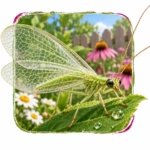 Lacewing Facts for Kids
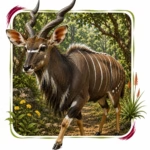
 Tortoise Facts for Kids
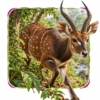
 Flying Fish Facts for Kids
 Arthropleura Facts for Kids
More Animal Facts for Kids
Visit the full animal facts library or explore a focused animal group.
More Extinct Animal Facts for Kids
Discover dinosaurs, Ice Age giants, prehistoric sea creatures, recently extinct species, and other animals from the past.
Fact check note: Fact checked with Britannica nyala resources, Britannica Kids nyala resources, and trusted African antelope education references.

Nyala in its natural Woodlands habitat