
Polar Bear Facts for Kids
Polar bears are huge Arctic bears built for ice, snow, cold water, and seal hunting. They have thick fur, strong paws, a great sense of smell, and a close connection to sea ice.
Quick Polar Bear Facts
- Animal Type: Mammal
- Group: Bear
- Known For: Arctic life and seal hunting
- Habitat: Arctic sea ice, coasts, islands, and snowy regions
- Diet: Mainly seals, plus other food when available
What You’ll Learn
Explore 10 incredible polar bear facts for kids about Arctic life, thick fur, swimming, hunting, and cubs, plus a quiz, glossary, and polar bear activity
These facts use simple language for kids, parents, teachers, and curious little learners.
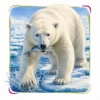
10 Fun Polar Bear Facts for Kids
1. Polar Bears Live in the Arctic
Polar bears live in Arctic regions, including areas near Alaska, Canada, Greenland, Norway, and Russia. They are built for freezing weather.
Kid Decode: A polar bear is a snow-world specialist.
2. Polar Bears Depend on Sea Ice
Polar bears use sea ice as a hunting platform, especially for catching seals. Sea ice is one of the most important parts of their habitat.
Kid Decode: For polar bears, sea ice is a frozen hunting floor.
3. Polar Bears Mostly Eat Seals
Seals are the main food for polar bears. Fat from seals gives polar bears the energy they need in the cold Arctic.
Kid Decode: Polar bears need a high-energy Arctic dinner.
4. Polar Bears Are Powerful Swimmers
Polar bears can swim through cold water using their large front paws. Swimming helps them move between ice, land, and hunting areas.
Kid Decode: Polar bears paddle through icy water like white giants.
5. Polar Bears Have Thick Fur
Polar bears have thick fur and a layer of fat that help keep them warm in freezing temperatures.
Kid Decode: Their coat is a winter jacket made by nature.
6. Polar Bear Skin Is Black
Under their light fur, polar bears have black skin. The dark skin may help absorb warmth from sunlight.
Kid Decode: Polar bears hide black skin under snowy fur.
7. Baby Polar Bears Are Called Cubs
Baby polar bears are called cubs. Cubs stay with their mothers for a long time while they learn to survive and hunt.
Kid Decode: A polar bear cub is a fluffy Arctic student.
8. Mother Polar Bears Use Snow Dens
Female polar bears often give birth in snow dens. The den helps protect tiny cubs from the harsh cold.
Kid Decode: A snow den is a polar bear nursery.
9. Polar Bears Have a Strong Sense of Smell
Polar bears can smell prey from far away. Their noses help them find seals and other food in a vast icy world.
Kid Decode: A polar bear nose is an Arctic food radar.
10. Polar Bears Need Protection
Polar bears face threats as Arctic sea ice changes. Protecting their habitat helps protect polar bears and other Arctic wildlife.
Kid Decode: Helping polar bears means caring for the icy north.
The Weirdest Polar Bear Fact
Polar bears look white, but their skin underneath the fur is black.
Try This Polar Bear Activity
Polar Bear Drawing Activity
Draw a polar bear walking across sea ice. Add big paws, snowy fur, a cub, blue water, snowflakes, and the northern lights in the sky.
Quick Polar Bear Quiz
- Where do polar bears live? Answer: In the Arctic.
- What is the main food of polar bears? Answer: Seals.
- What do polar bears use sea ice for? Answer: Hunting and traveling.
- What are baby polar bears called? Answer: Cubs.
- What color is polar bear skin? Answer: Black.
Mini Glossary
- Arctic: The cold region around the North Pole.
- Sea Ice: Frozen ocean water.
- Cub: A baby bear.
- Den: A protected animal shelter.
- Habitat: The natural home of an animal.
 Dromedary Facts for Kids
 Marten Facts for Kids
 Loon Facts for Kids
 Hypsilophodon Facts for Kids
More Animal Facts for Kids
Visit the full animal facts library or explore a focused animal group.
More Extinct Animal Facts for Kids
Discover dinosaurs, Ice Age giants, prehistoric sea creatures, recently extinct species, and other animals from the past.
Fact check note: Fact checked with Britannica Kids polar bear resources, Britannica polar bear resources, Polar Bears International habitat resources, and trusted Arctic wildlife education references.

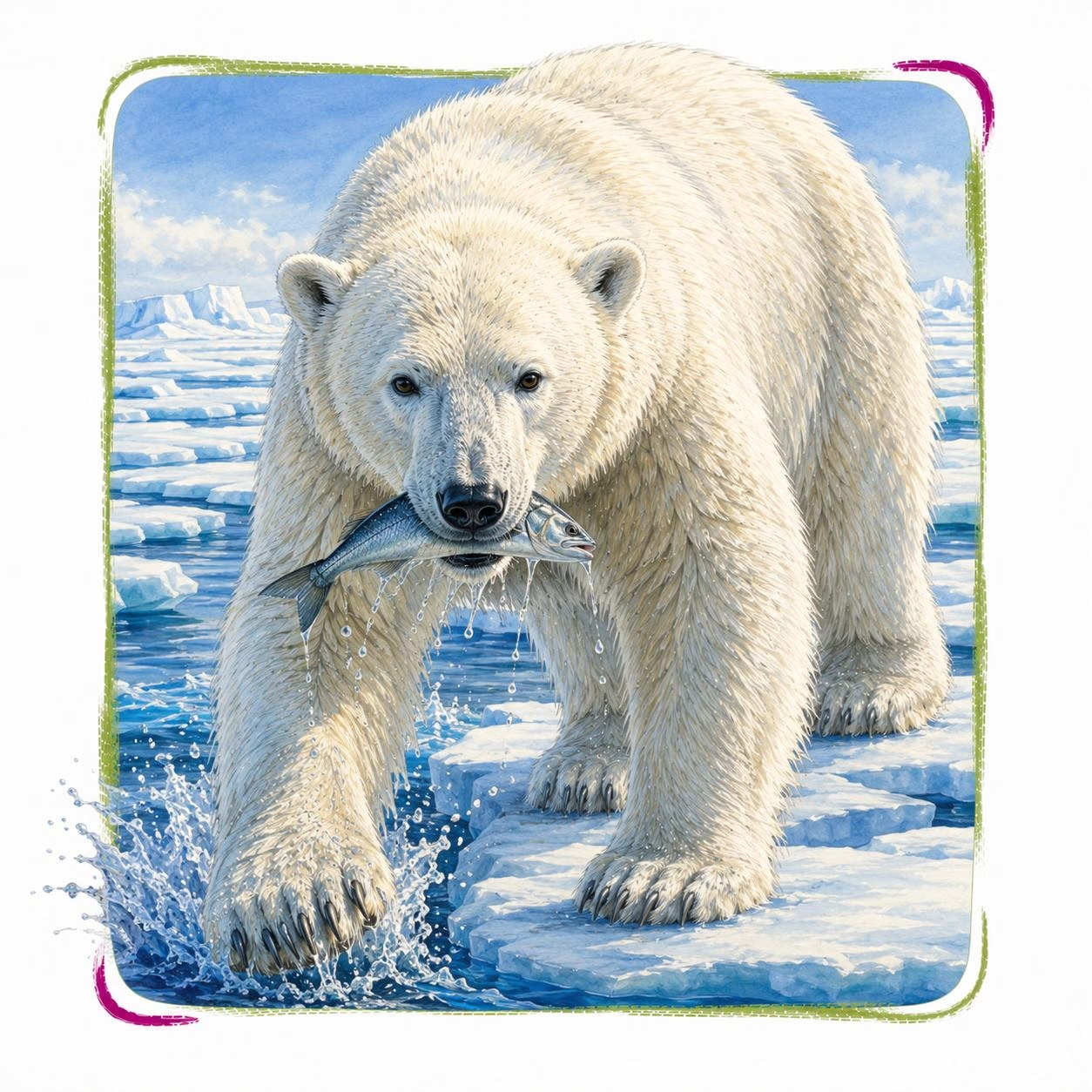
Polar Bear in its natural Sea Ice habitat