
Python Facts for Kids
Pythons are nonvenomous snakes with long muscular bodies, flexible jaws, smooth scales, and strong squeezing power. They live in warm habitats and are famous for being constrictors, which means they wrap around prey instead of using venom.
Quick Python Facts
- Animal Type: Reptile
- Group: Snake
- Known For: Constricting prey and laying eggs
- Habitat: Forests, grasslands, wetlands, scrublands, rocky areas, and trees
- Diet: Rodents, birds, lizards, bats, and other animals depending on species
What You’ll Learn
Discover 10 fascinating python facts for kids about powerful coils, hunting, swallowing prey, habitats, and more, with a quiz, glossary, and snake activity
These easy facts are written for children, parents, teachers, and curious little fact-finders.

10 Fun Python Facts for Kids
1. Pythons Are Nonvenomous Snakes
Pythons do not use venom to catch prey. They are constrictors, which means they wrap their bodies around prey and squeeze.
Kid Decode: A python is a muscle rope with scales.
2. Pythons Lay Eggs
Unlike boas and anacondas, pythons lay eggs. Female pythons may coil around their eggs to protect and warm them.
Kid Decode: A python mom can become a living egg blanket.
3. Baby Pythons Are Called Hatchlings
Baby pythons hatch from eggs and are called hatchlings. They are small at first but already know how to move and hunt.
Kid Decode: A python hatchling is a tiny noodle with instincts.
4. Some Pythons Grow Very Long
Some python species can grow extremely long. The reticulated python is one of the longest snakes in the world.
Kid Decode: Some pythons are living measuring tapes.
5. Pythons Use Forked Tongues
Pythons flick their forked tongues to collect scent particles from the air and ground. This helps them follow smells.
Kid Decode: A python tongue is a tiny smell scanner.
6. Pythons Have Heat-Sensing Pits
Many pythons have special pits near the mouth that help sense heat from warm-blooded animals.
Kid Decode: Pythons can notice warm snacks in the dark.
7. Pythons Swallow Prey Whole
Pythons do not chew food. Their flexible jaws and stretchy bodies help them swallow prey whole.
Kid Decode: A python dinner is not a nibble situation.
8. Pythons Can Climb and Swim
Depending on the species, pythons may climb trees, move on the ground, burrow, or spend time in water.
Kid Decode: Pythons have more travel modes than expected.
9. Pythons Live in Warm Regions
Pythons are found in places such as Africa, Asia, Australia, and nearby islands. They prefer warm habitats.
Kid Decode: Pythons are fans of the warm-weather life.
10. Pythons Help Control Prey Animals
By eating rodents and other animals, pythons help balance food webs in their habitats.
Kid Decode: Pythons are quiet pest patrols with scales.
The Weirdest Python Fact
Some female pythons coil around their eggs and shiver their muscles to help keep the eggs warm.
Try This Python Activity
Python Drawing Activity
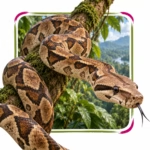
Draw a python curled on a warm tree branch. Add smooth scales, a forked tongue, eggs in a hidden nest, leaves, rocks, and a sunny forest background.
Quick Python Quiz
- Are pythons venomous? Answer: No.
- What do pythons use instead of venom? Answer: Constriction.
- Do pythons lay eggs? Answer: Yes.
- What are baby pythons called? Answer: Hatchlings.
- What do pythons use their forked tongues for? Answer: Smelling their surroundings.
Mini Glossary
- Constrictor: A snake that squeezes prey with its body.
- Hatchling: A young animal that has just hatched from an egg.
- Venom: A harmful substance some animals use in bites or stings.
- Forked Tongue: A split tongue used by many snakes to help smell.
- Reptile: A scaly animal group that includes snakes, lizards, turtles, and crocodilians.

 Flying Fish Facts for Kids
 Mandarin Duck Facts for Kids
 Musk Ox Facts for Kids
 Wuerhosaurus Facts for Kids
More Animal Facts for Kids
Visit the full animal facts library or explore a focused animal group.
More Extinct Animal Facts for Kids
Discover dinosaurs, Ice Age giants, prehistoric sea creatures, recently extinct species, and other animals from the past.
Fact check note: Fact checked with Britannica python resources, Britannica Kids snake resources, and trusted reptile education references.

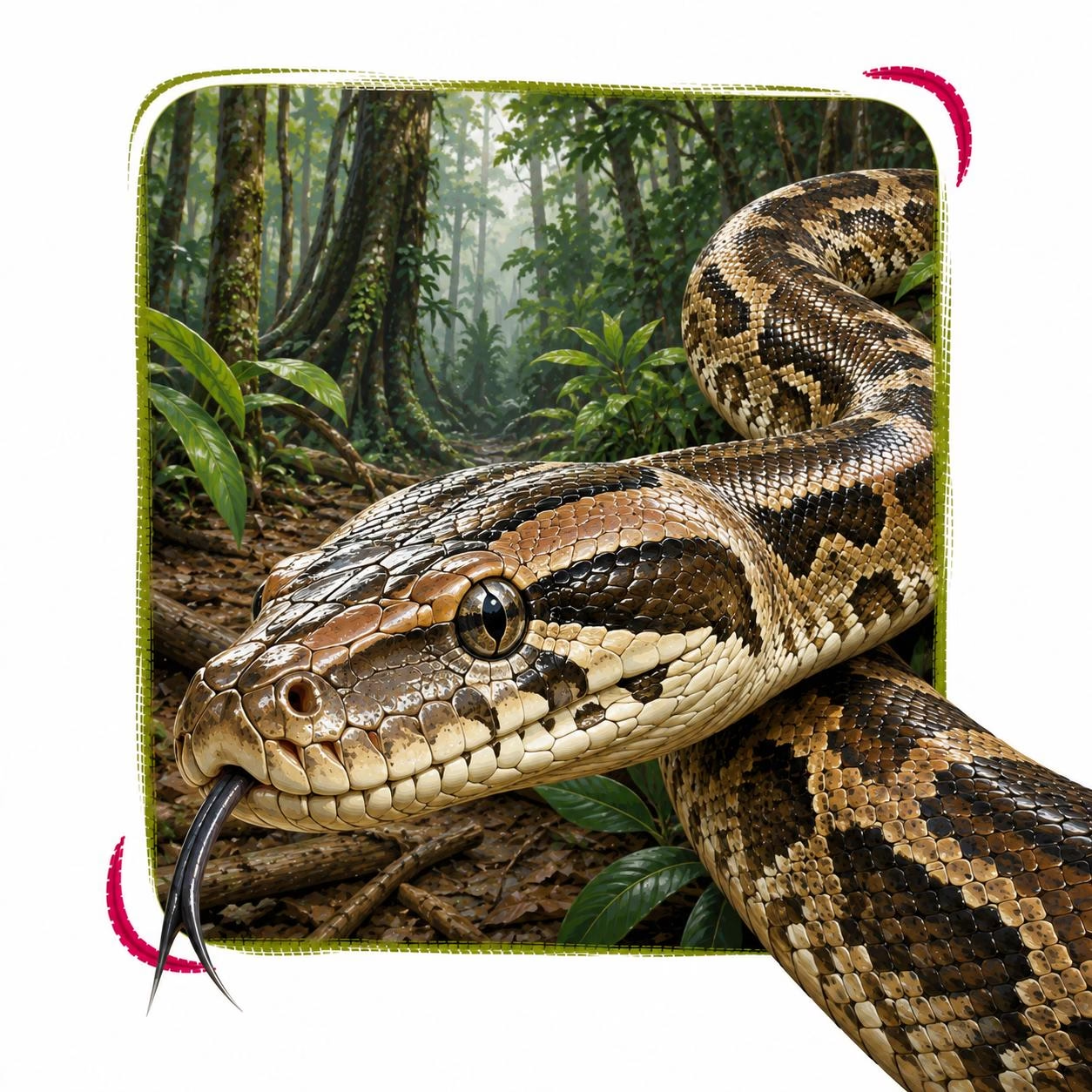
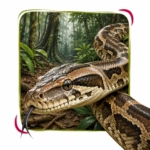
Python in its natural Forests habitat