
Ram Facts for Kids
A ram is an adult intact male sheep, not a separate species. This page focuses on domestic sheep, Ovis aries. Rams vary enormously among breeds: some carry thick curling horns, some have smaller horns, and others are naturally hornless or polled. They are social grazing mammals with excellent side vision, multi-chambered stomachs, strong flock instincts, and powerful breeding-season behavior.
Quick Ram Facts
- Scientific Name: Ovis aries for domestic sheep
- Animal Type: Mammal and ruminant
- Male Name: Ram; also called a tup in some regions
- Female Name: Ewe
- Young: Lamb; a young male is a ram lamb
- Group: Flock
- Known For: Strength, breeding behavior, flock communication, and large horns in some breeds
- Diet: Grass, hay, herbs, leaves, and balanced supplemental feed when needed
- Habitat: Farms, pastures, rangelands, hills, and managed grazing systems worldwide
- Conservation: Domestic sheep are not assessed as a wild species; some heritage breeds are rare
What You’ll Learn
Learn 10 powerful ram facts for kids about curved horns, head-butting, wool, hooves, and life as adult male sheep, with a quiz, glossary, and activity
Simple explanations make them fun for children, families, teachers, and young animal fans.

10 Fun Ram Facts for Kids
1. Ram Means Adult Male Sheep
An intact adult male sheep is called a ram, while an adult female is a ewe and a young sheep is a lamb. A castrated adult male is called a wether.
Kid Decode: Ram, ewe, lamb, and wether describe sex and age—not four different species.
2. Not Every Ram Has Horns
Horn size and shape depend strongly on breed and genetics. Some rams grow large spirals, some carry smaller horns or scurs, and polled breeds naturally grow no full horns.
Kid Decode: A ram can be horned or hornless and still be completely ram-like.
3. Horns Keep Growing
True horns have a living bony core covered by a tough keratin sheath. They normally continue growing instead of being shed each year like deer antlers, and growth rings may record changes in age, nutrition, and season.
Kid Decode: A ram keeps its horn history instead of dropping it every winter.
4. Head Clashes Establish Rank
During breeding season, unfamiliar or competing rams may back away, charge, and strike horn to horn or head to head. Horn shape, strong neck muscles, and a sturdy skull help manage impact, but serious injuries can still happen.
Kid Decode: The loud crash is a contest for rank, not a game for people to copy.
5. Flocks Use Quiet Body Signals
Sheep communicate through calls, scent, ear position, posture, head angle, and movement. Rams learn the social order of a group and may use pushing, blocking, displaying, or threats before a clash occurs.
Kid Decode: A lowered head or sideways stance can speak before any horns meet.
6. Wide Eyes Watch for Danger
Eyes placed on the sides of the head and horizontal pupils create a very broad field of view. This helps a grazing ram monitor flock mates and scan for danger without lifting its head for every bite.
Kid Decode: A ram can watch much of the horizon while keeping grass in view.
7. Rams Chew Cud
Sheep are ruminants with four stomach compartments. Microbes first break down fibrous plants, then the sheep regurgitates a portion as cud and chews it again before digestion continues.
Kid Decode: A mouthful of grass gets a second chewing shift later in the day.
8. Coats Differ Between Breeds
Many domestic rams grow wool that needs shearing, while hair-sheep breeds naturally shed much of their coats. Fiber texture, color, length, and the amount of oily lanolin vary widely.
Kid Decode: One ram may wear a shearable sweater while another grows a shedding hair coat.
9. A Curled Lip Tests Scents
A ram may raise its head and curl the upper lip in a flehmen response after smelling a ewe’s urine or another scent. This draws odor chemicals toward a specialized sensory organ in the roof of the mouth.
Kid Decode: The funny lip curl is serious chemical detective work.
10. Rams Father Lambs
During the breeding season, also called the rut or tupping time, a ram may mate with receptive ewes. After a pregnancy of about five months, a ewe generally gives birth to one or more lambs.
Kid Decode: The ram is the father, but the ewe carries, births, and nurses the lambs.
The Weirdest Ram Fact
A ram may curl its upper lip, stretch its neck, and seem to make a strange face after investigating a scent. This flehmen response moves scent molecules toward the vomeronasal organ, helping the ram gather reproductive information that an ordinary sniff may miss.
Try This Ram Activity
Horn or Antler?
Draw a ram horn as a permanent keratin-covered spiral growing from a bony core. Beside it, draw a branching deer antler that grows, hardens, is shed, and regrows. Add arrows showing each cycle. Finish by drawing a safely fenced ram with horizontal pupils, labeling three communication clues: ears, head angle, and body posture.
Quick Ram Quiz
- What is an adult male sheep called? Answer: A ram.
- Do all rams have horns? Answer: No.
- How do horns differ from deer antlers? Answer: Horns normally keep growing and are not shed yearly.
- Why do sheep chew cud? Answer: To digest fibrous plant food more completely.
- What is the ram doing during flehmen? Answer: Drawing scent chemicals toward a specialized sensory organ.
Mini Glossary
- Ram: An intact adult male sheep.
- Ewe: An adult female sheep.
- Polled: Naturally lacking full horns.
- Ruminant: A hoofed mammal that uses a multi-chambered stomach and chews cud.
- Flehmen: A lip-curling behavior that helps an animal analyze scents.

 European Shag Facts for Kids
 Shrew Facts for Kids
 Screech Owl Facts for Kids
 Deinotherium Facts for Kids
More Animal Facts for Kids
Visit the full animal facts library or explore a focused animal group.
More Extinct Animal Facts for Kids
Discover dinosaurs, Ice Age giants, prehistoric sea creatures, recently extinct species, and other animals from the past.
Fact check note: Fact checked against NC State and Mississippi State Extension sheep terminology and husbandry guidance; university small-ruminant resources; veterinary references on sheep vision, rumination, horns, behavior, reproduction, and flehmen; and breed-association information. Ram terminology, horn variation, growth, rank behavior, communication, vision, digestion, coats, scent detection, breeding, and lamb development were cross-checked.

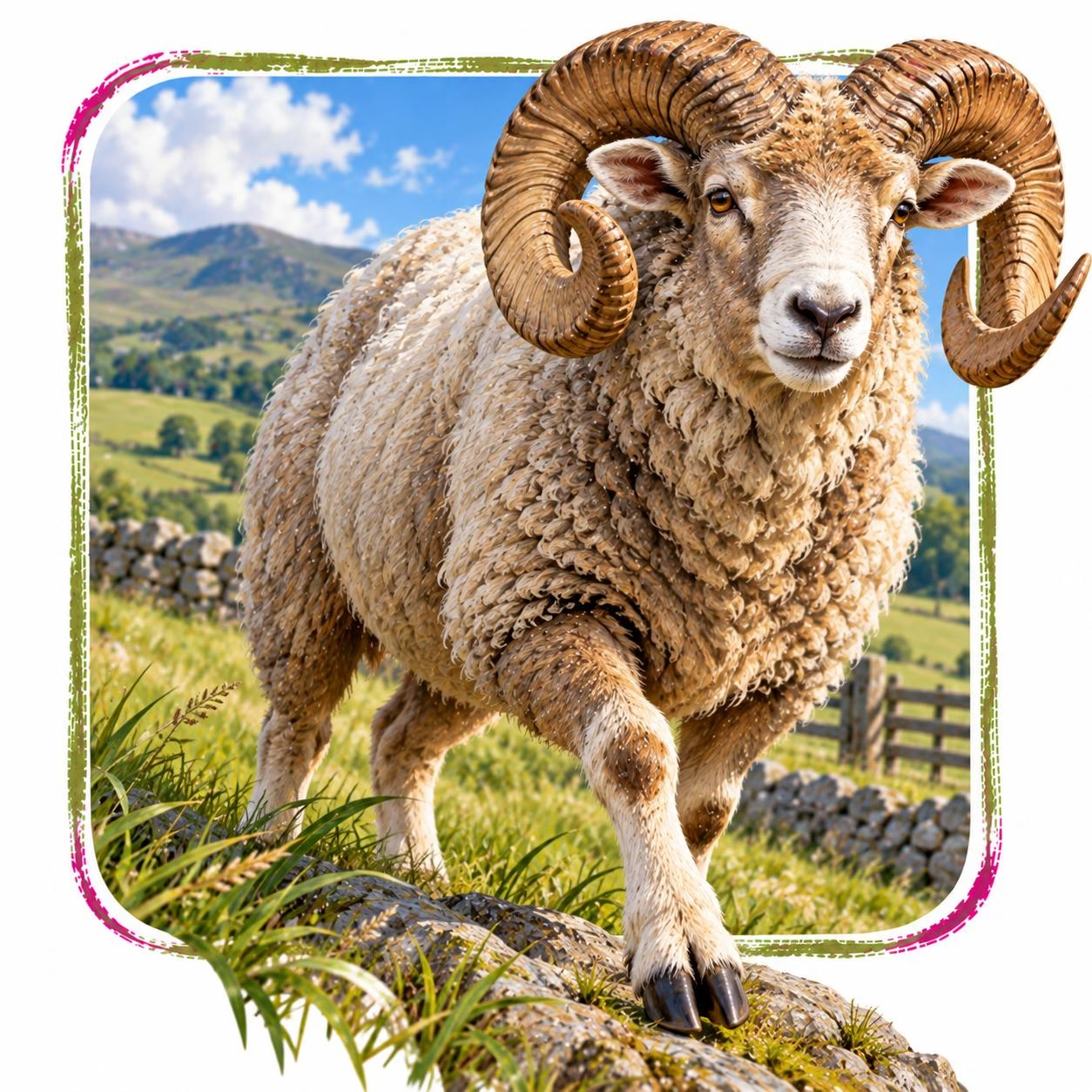
Ram in its natural Domestic pastures, farms, rangelands, hill country, barns, and managed grazing systems worldwide habitat