
Sable Antelope Facts for Kids
The sable antelope, Hippotragus niger, is a large, powerful bovid of eastern and southern African savanna woodland. Mature males often become glossy dark brown or black, while females and young are generally chestnut or reddish-brown. Both sexes carry long ringed horns that rise from the head and sweep backward, and bold white facial markings contrast with a dark mask.
Quick Sable Antelope Facts
- Scientific Name: Hippotragus niger
- Animal Type: Mammal, bovid, and antelope
- Family: Bovidae
- Size: Large antelope, commonly about 1.2–1.4 metres at the shoulder
- Known For: Dark adult males, chestnut females, white facial markings, upright mane, and very long curved horns in both sexes
- Range: Scattered parts of eastern and southern Africa, plus the giant sable in Angola
- Habitat: Savanna woodland, especially areas with grass, scattered trees, and access to water
- Diet: Mainly grasses, with some herbs, leaves, and shoots
- Young: Usually one calf
- Conservation: Species globally Least Concern; the Angolan giant sable subspecies is Critically Endangered
What You’ll Learn
Learn 10 striking sable antelope facts for kids about sweeping horns, dark coats, herd life, grazing, and African savanna woodlands, with a quiz, glossary, and activity
Simple explanations make them fun for children, families, teachers, and young wildlife fans.
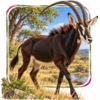
10 Fun Sable Antelope Facts for Kids
1. Sable Means Dark or Black
The word sable can describe a deep dark color. Adult males usually darken as they mature, becoming black or very dark brown, while most females and young retain a warmer chestnut or reddish coat.
Kid Decode: A sable bull’s coat often grows darker as the animal grows older.
2. White Markings Form a Face Mask
Broad white stripes cross the face and contrast with dark areas around the eyes and nose. A pale belly and rump also stand out against the body, creating a bold pattern visible across woodland openings.
Kid Decode: Its face looks painted in black, white, and chestnut.
3. Both Sexes Grow Sweeping Horns
Males and females carry permanent horns marked with strong rings. The horns rise steeply, arch backward, and can extend beyond a metre, with adult male horns generally thicker and longer.
Kid Decode: A sable mother wears curved horns as well as a sable bull.
4. Horns Are Not Antlers
A sable horn has a living bony core covered by a tough keratin sheath and is not shed each year. Deer antlers are solid bone that normally fall off and regrow.
Kid Decode: The sable keeps its horn pair instead of dropping it every season.
5. Woodland Grass Is Important
Sable antelopes favor open savanna woodland, including miombo areas, where grass grows beneath scattered trees. They graze leaves and stems at useful heights and may browse herbs or shoots when needed.
Kid Decode: A grassy woodland gives sable antelopes both meals and shade.
6. They Need Regular Water
Sable antelopes generally stay within reach of rivers, pools, or seasonal water and drink regularly. During dry periods, herds move between remaining water, fresh grass, shade, and burned areas with nutritious regrowth.
Kid Decode: A water map can control where a sable herd travels.
7. Females Lead Family Herds
Females and young live in herds with a clear dominance hierarchy, often led by an experienced female. Mature territorial bulls defend good areas, while younger males may form bachelor groups.
Kid Decode: The herd’s route is often chosen by a senior female, not the darkest bull.
8. Calves Hide Before Joining
A pregnant female leaves the group to give birth, usually to one sandy or reddish calf. The calf lies concealed in vegetation at first, then rejoins its mother and later gathers with other young.
Kid Decode: A quiet patch of tall grass becomes the calf’s first nursery.
9. They Can Defend With Horns
When escape is difficult, a sable may kneel or lower its front end and sweep the long horns toward a predator or rival. Lions, hyenas, wild dogs, leopards, and crocodiles must approach cautiously.
Kid Decode: Those backward-curving horns can swing forward when the head lowers.
10. One Subspecies Is Extremely Rare
The sable antelope is globally Least Concern, but populations are fragmented and face habitat loss, hunting, drought, and livestock pressures. Angola’s giant sable, Hippotragus niger variani, is a Critically Endangered subspecies with intensive protection.
Kid Decode: A common species label can contain a subspecies fighting for survival.
The Weirdest Sable Antelope Fact
Angola’s giant sable is so culturally important that it appears on national symbols and gives the country’s football team its nickname, Palancas Negras. Yet this famous animal is a Critically Endangered subspecies found only in a small part of Angola.
Try This Sable Antelope Activity
Design a Sable Woodland Reserve
Draw connected miombo woodland with grassy clearings, shade, a river, a dry-season pool, and a safe corridor. Add a female-led herd, territorial bull, bachelor group, and hidden calf. Label permanent horns, facial stripes, mane, cloven hooves, grass foods, and three protections for the rare giant sable.
Quick Sable Antelope Quiz
- What color are mature males often? Answer: Black or very dark brown.
- Do females grow horns? Answer: Yes.
- Are sable horns shed each year? Answer: No.
- Who often leads a family herd? Answer: An experienced female.
- Which subspecies is Critically Endangered? Answer: The giant sable of Angola.
Mini Glossary
- Bovid: A hoofed mammal in the cattle, sheep, goat, and antelope family Bovidae.
- Sable: A very dark brown or black color.
- Keratin: The tough material forming horn sheaths, claws, hair, and nails.
- Miombo: A widespread southern African woodland dominated by particular broadleaf trees.
- Subspecies: A distinct regional population within a species.
 Hammerhead Shark Facts for Kids
 Impala Facts for Kids
 Egyptian Goose Facts for Kids
 Monolophosaurus Facts for Kids
More Animal Facts for Kids
Visit the full animal facts library or explore a focused animal group.
More Extinct Animal Facts for Kids
Discover dinosaurs, Ice Age giants, prehistoric sea creatures, recently extinct species, and other animals from the past.
Fact check note: Fact checked against the IUCN Red List assessments for Hippotragus niger and H. n. variani; Mammal Diversity Database; African Wildlife Foundation; U.S. Fish and Wildlife Service giant sable information; Giant Sable Conservation Fund; and authoritative African antelope references. Taxonomy, color change, markings, horn structure, habitat, diet, water needs, social groups, calves, defense, range, threats, global Least Concern status, and giant sable Critically Endangered status were cross-checked.

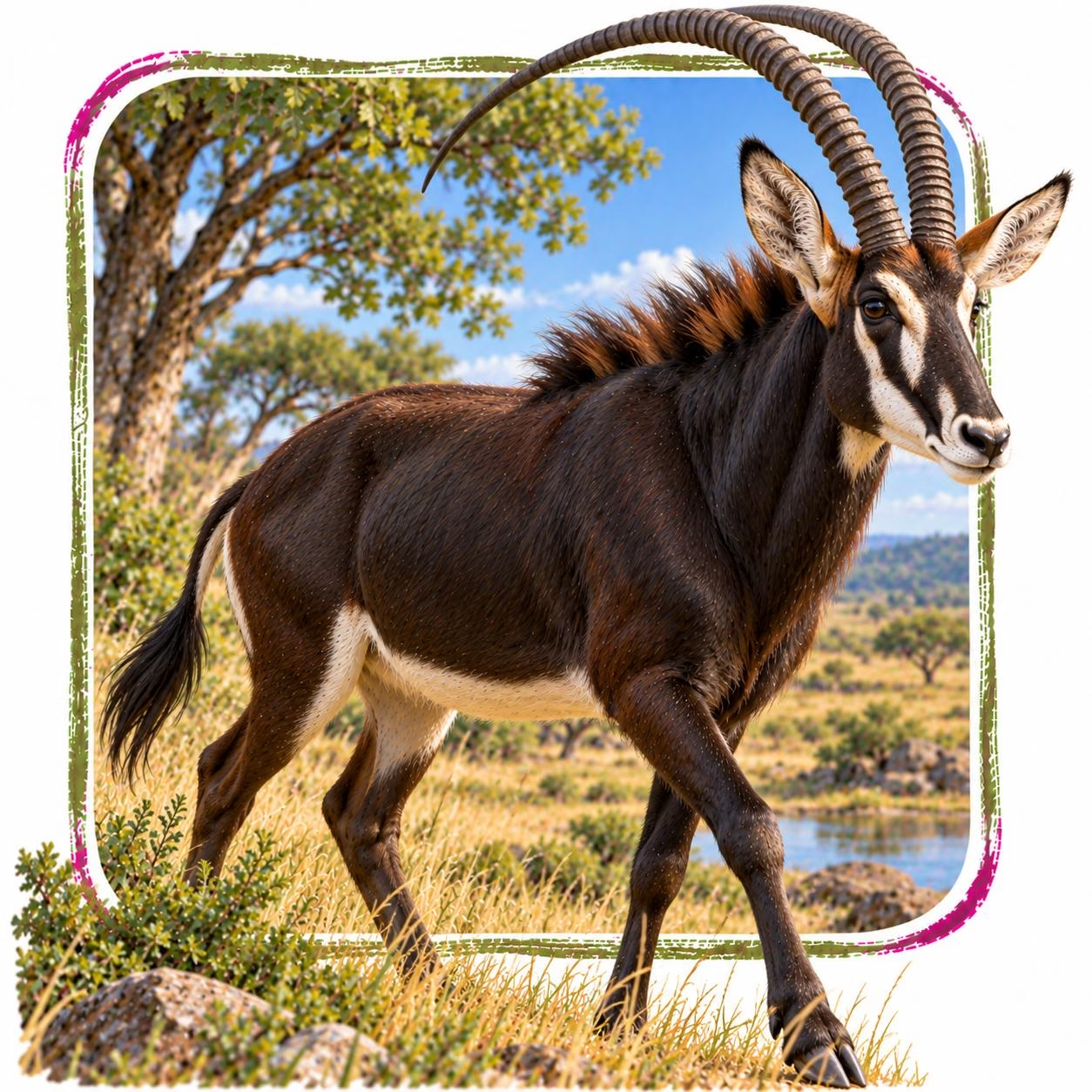
Sable Antelope in its natural Miombo and other savanna woodland, wooded grassland, grassy clearings, floodplain edges, and areas within reach of rivers or pools habitat