
Shrew Facts for Kids
Shrews are tiny mammals with pointed noses, small eyes, and fast-moving bodies. They eat insects and other small animals, and many spend their lives searching constantly for food in forests, grasslands, and gardens.
Quick Shrew Facts
- Animal Type: Mammal
- Group: Shrew family
- Known For: Tiny size, pointed snouts, and constant feeding
- Habitat: Forests, grasslands, wetlands, gardens, hedgerows, fields, and woodlands worldwide depending on species
- Diet: Insects, worms, spiders, snails, small animals, and other invertebrates
What You’ll Learn
Explore 10 tiny shrew facts for kids about fast metabolisms, sharp teeth, hunting insects, senses, and hidden habitats, with a quiz, glossary, and activity
These simple facts are made for kids, parents, teachers, and curious young learners.
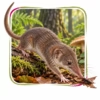
10 Fun Shrew Facts for Kids
1. Shrews Are Mammals
Shrews are mammals with fur that feed milk to their young.
Kid Decode: A shrew is a tiny mammal with endless energy.
2. Shrews Have Pointed Noses
Shrews use long pointed snouts to explore for food.
Kid Decode: Their noses are tiny food-finding tools.
3. Shrews Eat Lots of Food
Shrews need to eat frequently because they use energy very quickly.
Kid Decode: A hungry shrew is almost always snack hunting.
4. Baby Shrews Are Called Pups
Baby shrews are called pups and stay with their mother when young.
Kid Decode: A shrew pup is a tiny whiskered explorer.
5. Shrews Use Whiskers
Whiskers help shrews feel their surroundings while moving.
Kid Decode: Their whiskers work like tiny touch sensors.
6. Some Shrews Use Tunnels
Many shrews travel through tunnels, leaf litter, or hidden pathways.
Kid Decode: A tunnel is a shrew highway under the grass.
7. They Hunt Small Animals
Shrews catch insects, worms, spiders, and other tiny prey.
Kid Decode: They are mini hunters in a tiny world.
8. Some Shrews Have Venom
A few shrew species have mild venom that helps them catch prey.
Kid Decode: Not many mammals can make that claim.
9. Shrews Are Very Active
Shrews spend much of the day searching for food.
Kid Decode: A shrew treats every day like a treasure hunt.
10. Shrews Need Healthy Habitats
Shrews need safe places with insects, plants, and shelter.
Kid Decode: Protecting wild spaces helps tiny hunters survive.
The Weirdest Shrew Fact
Some shrews are among the few mammals in the world that use venom to help catch prey.
Try This Shrew Activity
Shrew Drawing Activity
Draw a shrew exploring through grass and leaves. Add a pointed nose, whiskers, insects, tunnel entrance, flowers, worms, and a woodland background.
Quick Shrew Quiz
- What animal group are shrews in? Answer: Mammals.
- What are baby shrews called? Answer: Pups.
- What do shrews mostly eat? Answer: Insects and other small animals.
- What helps shrews explore? Answer: Their whiskers and noses.
- Do some shrews use venom? Answer: Yes.
Mini Glossary
- Mammal: An animal with hair or fur that feeds milk to its young.
- Pup: A baby shrew.
- Whiskers: Sensitive hairs used for touch.
- Invertebrate: An animal without a backbone.
- Venom: A substance used by some animals for hunting or defense.


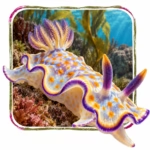 Sea Slug Facts for Kids
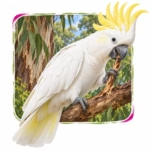 Cockatoo Facts for Kids
 Iberian Lynx Facts for Kids
 Palaeomastodon Facts for Kids
More Animal Facts for Kids
Visit the full animal facts library or explore a focused animal group.
More Extinct Animal Facts for Kids
Discover dinosaurs, Ice Age giants, prehistoric sea creatures, recently extinct species, and other animals from the past.
Fact check note: Fact checked with Britannica shrew resources, Britannica Kids mammal resources, and trusted wildlife education references.

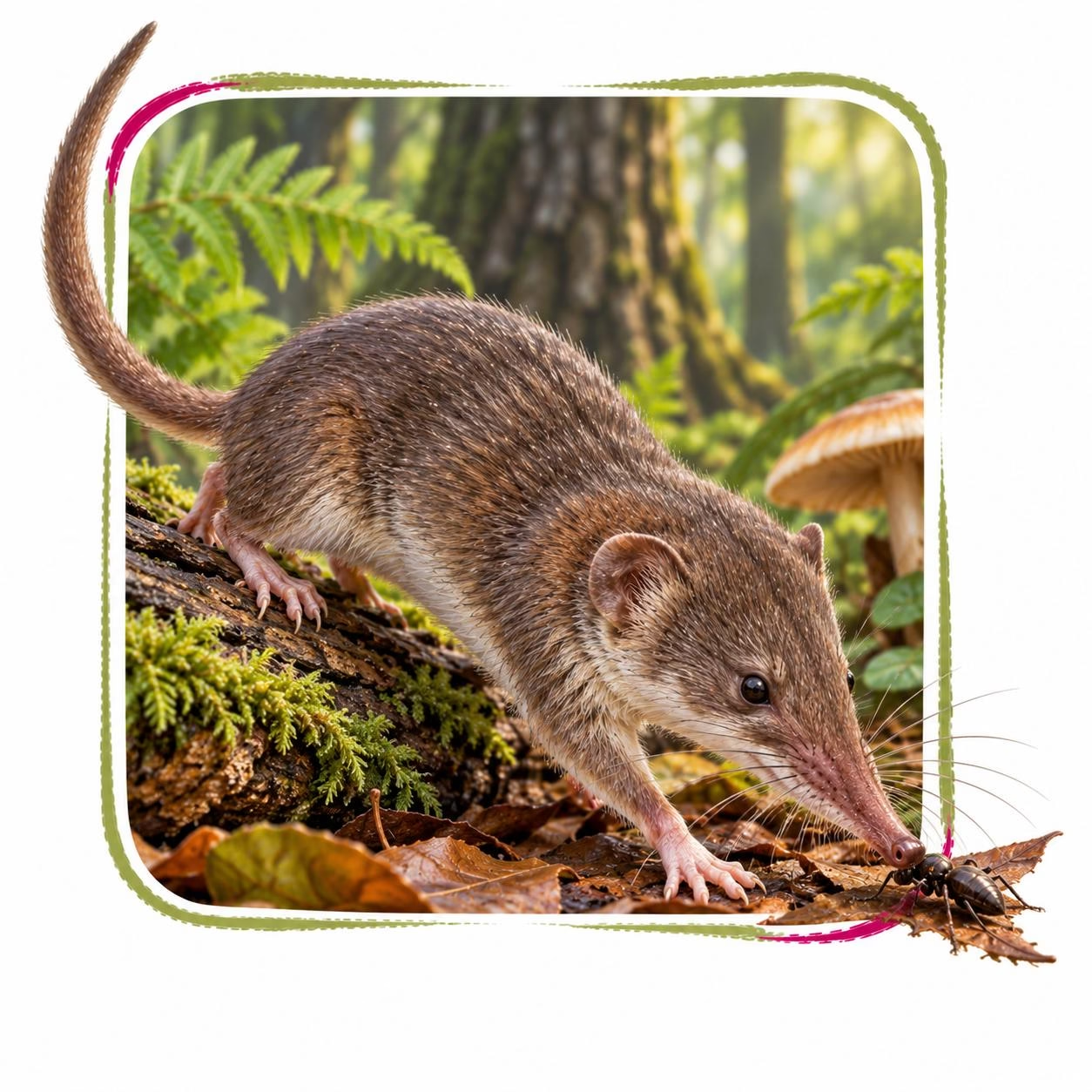
Shrew in its natural Forests habitat