
Tarsier Facts for Kids
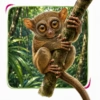
Tarsiers are tiny primates with giant eyes, long hind legs, soft fur, and amazing leaping skills. They live in forests of Southeast Asia and hunt insects and small animals at night.
Quick Tarsier Facts
- Animal Type: Mammal
- Group: Primate
- Known For: Huge eyes and powerful leaping
- Habitat: Tropical forests, tree trunks, vines, shrubs, and wooded islands in Southeast Asia
- Diet: Insects, spiders, lizards, small birds, snakes, and other small animals
What You’ll Learn
Explore 10 wide-eyed tarsier facts for kids about giant eyes, jumping, hunting insects, tree life, and nighttime habits, plus a quiz, glossary, and activity
Clear explanations make them fun for children, families, teachers, and young nature explorers.
10 Fun Tarsier Facts for Kids
1. Tarsiers Are Primates
Tarsiers are primates, the same big animal group that includes lemurs, monkeys, apes, and humans.
Kid Decode: A tarsier is a tiny primate with moon-sized eyes.
2. Tarsiers Have Huge Eyes
Tarsiers have enormous eyes for their body size. Big eyes help them see in dim forest light at night.
Kid Decode: Those eyes are little night-vision lanterns.
3. Tarsiers Are Nocturnal
Tarsiers are mostly active at night. They rest during the day and hunt after dark.
Kid Decode: Tarsiers run the forest night shift.
4. Tarsiers Are Carnivorous
Unlike many primates that eat fruit or leaves, tarsiers eat animals such as insects, spiders, lizards, and small birds.
Kid Decode: This tiny primate orders from the bug-and-critter menu.
5. Tarsiers Can Leap Far
Tarsiers have very long hind legs that help them spring from tree to tree while hunting or escaping danger.
Kid Decode: A tarsier jump is a tiny jungle launch.
6. Tarsiers Cling to Tree Trunks
Tarsiers often cling upright to trunks and branches. Their fingers and toes help them grip while they wait or leap.
Kid Decode: They are expert tree-huggers with springs.
7. Tarsiers Have Gripping Pads
Expanded pads on their fingers and toes help tarsiers hold onto branches and tree trunks.
Kid Decode: Tarsier fingers come with tiny climbing cushions.
8. Baby Tarsiers Are Infants
Baby tarsiers are called infants. They are born with fur and open eyes and cling to their mothers early in life.
Kid Decode: A tarsier infant is a tiny wide-eyed backpack passenger.
9. Tarsiers Live in Southeast Asia
Wild tarsiers live on islands and forests of Southeast Asia, including places such as the Philippines, Borneo, and Sulawesi.
Kid Decode: Tarsiers have a leafy island address.
10. Tarsiers Need Forest Protection
Tarsiers depend on quiet forest habitats with trees, insects, and safe sleeping places. Habitat loss can hurt them.
Kid Decode: Protecting forests keeps the big-eyed jumpers safe.
The Weirdest Tarsier Fact
Tarsiers are the only entirely carnivorous primates, eating insects and small animals instead of mostly fruit or leaves.
Try This Tarsier Activity
Tarsier Drawing Activity
Draw a tarsier clinging to a tree at night. Add huge eyes, long fingers, long hind legs, a thin tail, insects, vines, leaves, and a bright moon.
Quick Tarsier Quiz
- What animal group do tarsiers belong to? Answer: Primates.
- When are tarsiers mostly active? Answer: At night.
- What do tarsiers eat? Answer: Insects and small animals.
- What helps tarsiers leap? Answer: Long hind legs.
- What are baby tarsiers called? Answer: Infants.
Mini Glossary
- Primate: A mammal group that includes lemurs, monkeys, apes, humans, and tarsiers.
- Nocturnal: Active mostly at night.
- Carnivorous: Eating animals for food.
- Infant: A baby primate.
- Habitat Loss: When an animal’s natural home is damaged or disappears.

 Sea Slug Facts for Kids
 Tree Kangaroo Facts for Kids
 American Bison Facts for Kids
 Barinasuchus Facts for Kids
More Animal Facts for Kids
Visit the full animal facts library or explore a focused animal group.
More Extinct Animal Facts for Kids
Discover dinosaurs, Ice Age giants, prehistoric sea creatures, recently extinct species, and other animals from the past.
Fact check note: Fact checked with Britannica tarsier resources, Britannica Western tarsier resources, and trusted primate education references.

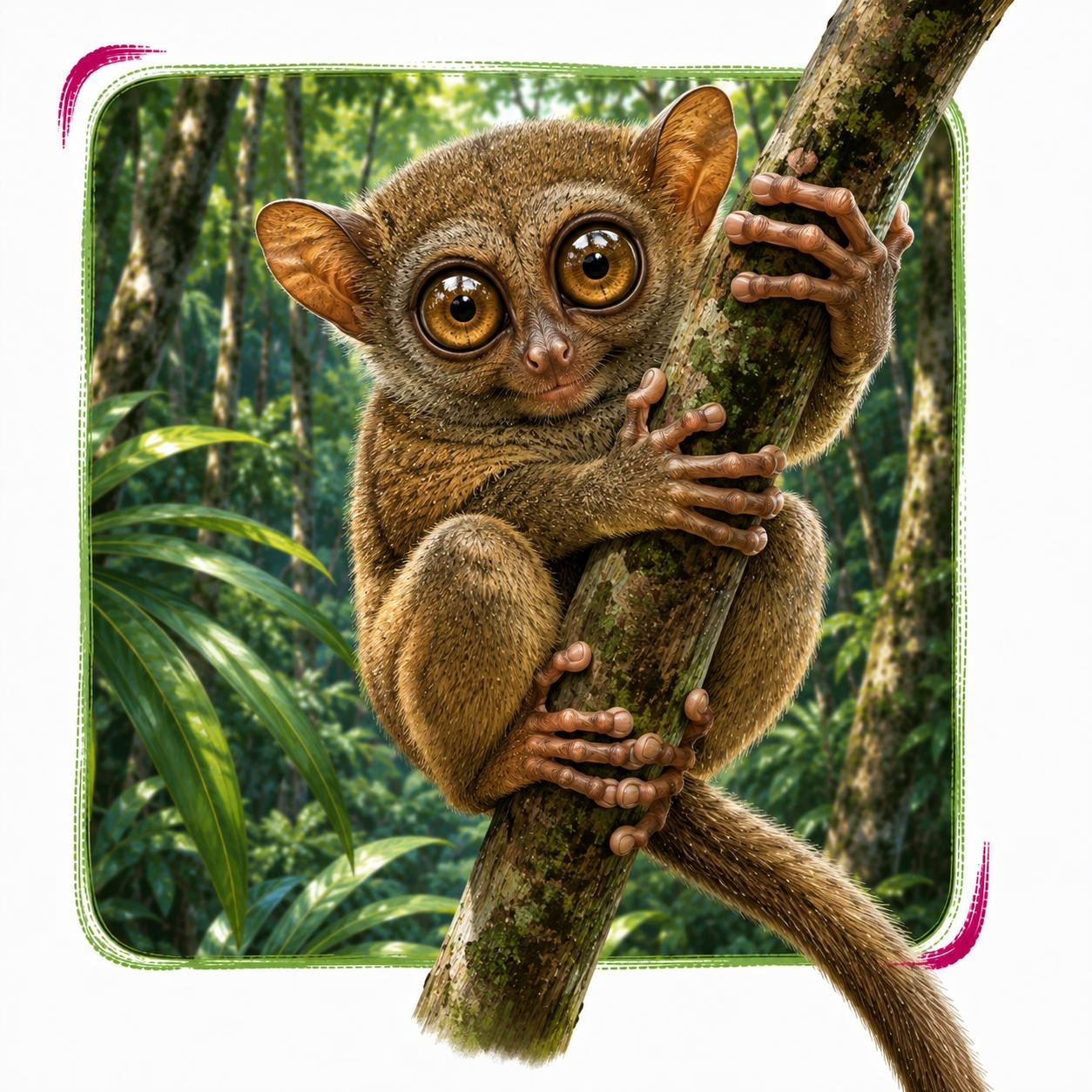
Tarsier in its natural Forests habitat