
Tasmanian Devil Facts for Kids
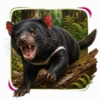
Tasmanian devils are stocky black marsupials with strong jaws, loud screeches, and bushy tails. Wild Tasmanian devils live naturally only on the island of Tasmania, where they search for food mostly at night.
Quick Tasmanian Devil Facts
- Animal Type: Mammal
- Group: Marsupial
- Known For: Strong jaws, loud sounds, and Tasmania
- Habitat: Forests, woodlands, grasslands, coastal scrub, farmland edges, and dens in Tasmania
- Diet: Carrion, small mammals, birds, reptiles, insects, and other animal food
What You’ll Learn
Discover 10 wild tasmanian devil facts for kids about powerful jaws, loud calls, food, dens, and life in Tasmania, plus a quiz, glossary, and activity
Clear explanations make these facts great for children, families, teachers, and little fact-finders.
10 Fun Tasmanian Devil Facts for Kids
1. Tasmanian Devils Are Marsupials
Tasmanian devils are marsupial mammals. Like kangaroos and koalas, their young develop in a pouch.
Kid Decode: A Tasmanian devil is a pouch mammal with a thunder voice.
2. They Live in Tasmania
Wild Tasmanian devils are native to Tasmania, an island state of Australia.
Kid Decode: They are Tasmania’s famous night gobblers.
3. Baby Tasmanian Devils Are Joeys
Baby Tasmanian devils are called joeys. They are tiny when born and continue growing in the mother’s pouch.
Kid Decode: A joey starts life smaller than a tiny whisper.
4. Tasmanian Devils Have Strong Jaws
Tasmanian devils have powerful jaws and sharp teeth that help them eat meat and crunchy animal parts.
Kid Decode: Their bite is small-animal hardware with serious power.
5. Tasmanian Devils Are Scavengers
Tasmanian devils often feed on carrion, which means dead animals. This helps clean the environment.
Kid Decode: They are nature’s noisy cleanup crew.
6. They Make Loud Sounds
Tasmanian devils can screech, growl, snarl, and make other dramatic noises, especially while feeding or arguing.
Kid Decode: Their dinner table sounds like a spooky radio show.
7. Tasmanian Devils Are Mostly Nocturnal
They are usually active at night and rest in dens, logs, or hidden places during the day.
Kid Decode: Tasmanian devils do their errands after sunset.
8. They Have Bushy Tails
A Tasmanian devil’s tail can store fat. A thin tail may show the animal is not getting enough food.
Kid Decode: The tail is a snack-status meter.
9. They Help Ecosystems
By eating carrion, Tasmanian devils help recycle nutrients and reduce old carcasses in the wild.
Kid Decode: They turn leftovers into ecosystem service.
10. Tasmanian Devils Need Protection
Tasmanian devils face threats from disease, vehicle strikes, and habitat problems. Conservation programs help protect them.
Kid Decode: Helping devils keeps Tasmania’s wild nights healthier.
The Weirdest Tasmanian Devil Fact
Tasmanian devils can make such loud screeches and snarls that early settlers gave them their spooky name.
Try This Tasmanian Devil Activity
Tasmanian Devil Drawing Activity
Draw a Tasmanian devil near a forest den at night. Add black fur, white chest mark, strong jaws, bushy tail, stars, logs, leaves, and a joey in a pouch.
Quick Tasmanian Devil Quiz
- Where do wild Tasmanian devils naturally live? Answer: Tasmania.
- What animal group do they belong to? Answer: Marsupials.
- What are baby Tasmanian devils called? Answer: Joeys.
- What is carrion? Answer: Dead animals used as food.
- When are Tasmanian devils mostly active? Answer: At night.
Mini Glossary
- Marsupial: A mammal whose young often continue developing in a pouch.
- Joey: A baby marsupial.
- Carrion: Dead animals eaten by scavengers.
- Nocturnal: Active mostly at night.
- Den: A hidden shelter used by an animal.
 Hoverfly Facts for Kids
 Crown-of-Thorns Starfish Facts for Kids
 Wasp Facts for Kids
 Edaphosaurus Facts for Kids
More Animal Facts for Kids
Visit the full animal facts library or explore a focused animal group.
More Extinct Animal Facts for Kids
Discover dinosaurs, Ice Age giants, prehistoric sea creatures, recently extinct species, and other animals from the past.
Fact check note: Fact checked with Britannica Kids Tasmanian devil resources, Britannica Tasmanian devil resources, and trusted marsupial education references.

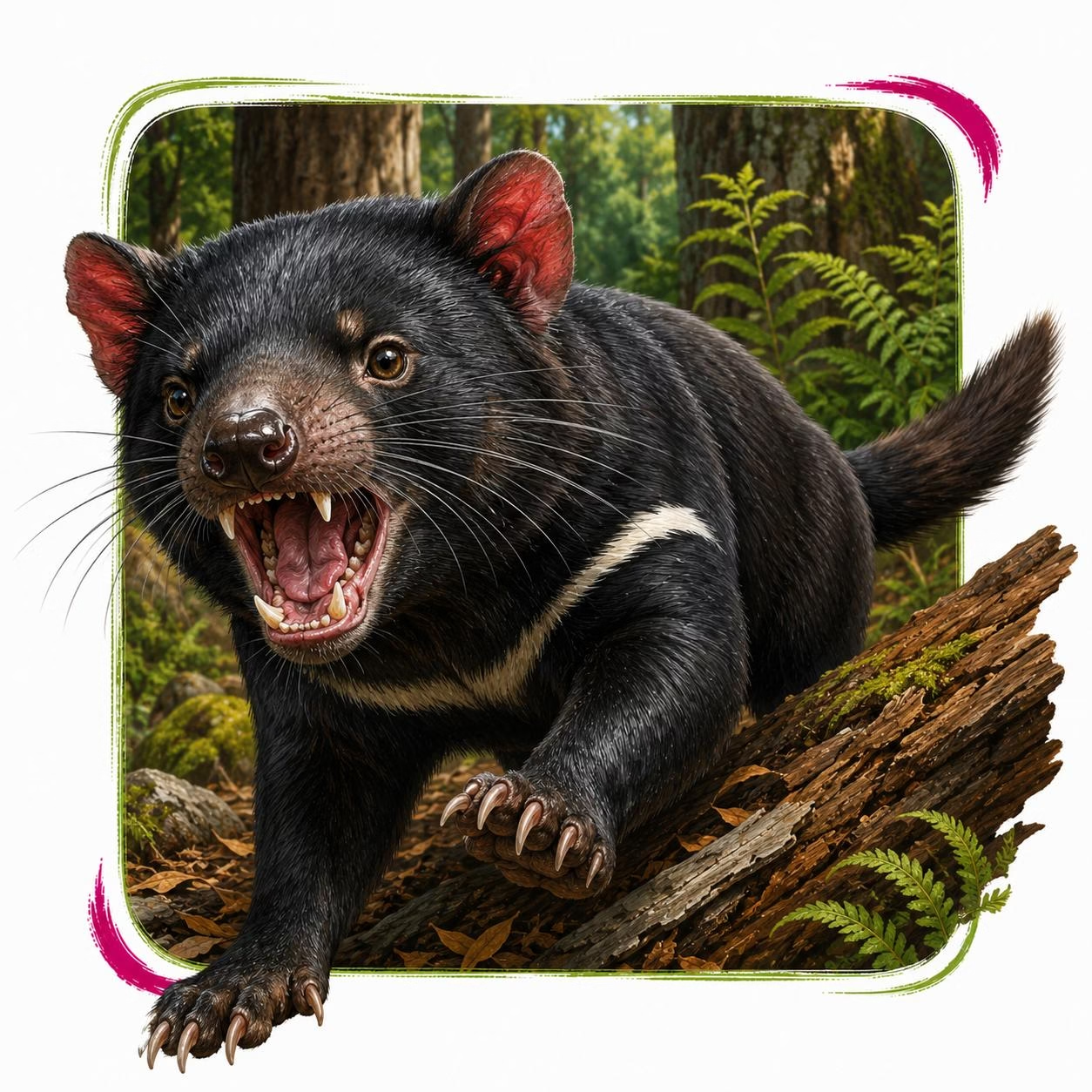
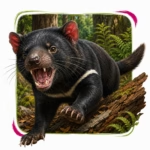
Tasmanian Devil in its natural Forests habitat