
Thomson’s Gazelle Facts for Kids
Thomson’s Gazelle, Eudorcas thomsonii, is a small fast antelope of the short-grass plains of Kenya and northern Tanzania. It is famous for the bold black stripe along each side, a tan back, white belly and rump, dark tail, white facial stripe, and ringed horns that are much larger in males. Thomson’s Gazelles feed mainly on short grasses, switching to leaves, seeds, and other browse when conditions change. They often share the plains with wildebeest, zebras, and other grazing animals and may move in large herds as rains and fresh grass shift across the landscape. Cheetahs, lions, wild dogs, hyenas, jackals, and large eagles can prey on them. The current Mammal Diversity Database and 2024 IUCN treatment list Thomson’s Gazelle as Least Concern, replacing older Near Threatened wording still found on some pages.
Quick Thomson’s Gazelle Facts
- Animal Type: Mammal and gazelle
- Scientific Name: Eudorcas thomsonii
- Known For: Bold black side stripe, white rump, ringed horns, fast running, sharp turns, stotting, scent-marked territories, and life on East African short-grass plains
- Habitat: Short-grass savanna, open plains, dry grassland, lightly wooded grassland, and seasonal grazing areas
- Diet: Mainly short grasses, plus leaves, shoots, twigs, and seeds during dry periods
What You’ll Learn
Discover 10 fun Thomson’s Gazelle facts for kids with current taxonomy, quick facts, a quiz, glossary, drawing activity, and East African wildlife links.
Simple explanations make them enjoyable for children, families, teachers, and curious young animal fans.

10 Fun Thomson’s Gazelle Facts for Kids
1. The Black Side Stripe Is a Strong Identification Mark
A dark horizontal stripe separates the tan upper body from the white belly. The rump is white, the tail is black, and a pale facial stripe runs from the eye toward the nose.
Kid Decode: The body looks almost drawn with a dark ruler line from shoulder to hip.
2. Males Usually Carry the Bigger Horns
Male horns are long, ringed, and curve backward before bending slightly forward near the tips. Females may have much smaller horns or sometimes none, depending on the individual.
Kid Decode: The male’s headgear is a pair of ridged backward curves built for gazelle contests.
3. They Are Extremely Fast Runners
Thomson’s Gazelles can reach roughly 70 kilometres per hour and maintain high speed longer than a cheetah can maintain its top sprint. Their survival also depends on rapid turning and choosing the right moment to accelerate.
Kid Decode: Escape is a mixture of speed, stamina, and last-second steering.
4. Stotting Sends a Message to Predators
An alarmed gazelle may spring high into the air with all four legs held stiff and the body lifted almost vertically. This behaviour, called stotting, can signal that the gazelle has seen a predator and may be difficult to catch.
Kid Decode: One giant bounce can say, I see you, and I am ready to run.
5. Short Fresh Grass Is the Favorite Food
Thomson’s Gazelles are primarily grazers that favour short nutrient-rich grasses. During dry periods they also eat leaves, seeds, twigs, and other plant material when fresh grass becomes scarce.
Kid Decode: The best restaurant is often a freshly cropped patch of young grass.
6. Big Grazers Can Help Create Their Food
Wildebeest and zebras remove taller grass as they graze, and Thomson’s Gazelles often follow or use the shorter regrowth left behind. This lets different herbivores share the same plains by feeding at different grass heights.
Kid Decode: A zebra can accidentally mow the lawn for the much smaller gazelle behind it.
7. Males Mark Small Territories
Breeding males use preorbital scent glands near the eyes, dung, and urine to mark territories. They defend good grazing areas and try to keep receptive females within them.
Kid Decode: A grass stem can become a tiny scented boundary post.
8. Herd Size Changes With Rain and Food
Groups can range from a few animals to hundreds, and very large aggregations may form when fresh grazing is abundant. Thomson’s Gazelles move across the plains in response to rainfall, grass growth, predators, and the movements of other herbivores.
Kid Decode: The herd expands and contracts as the green parts of the map move around.
9. A Newborn Calf Begins Life Hidden
After a pregnancy of about six months, a female usually gives birth to one calf. The newborn can stand soon after birth but spends its first days hidden and motionless in grass while the mother returns to nurse it.
Kid Decode: The speedy adult begins life by surviving through stillness.
10. Current Status Is Least Concern
The 2024 IUCN treatment and current Mammal Diversity Database list Eudorcas thomsonii as Least Concern. The species remains concentrated in Kenya and Tanzania and can still be affected by habitat conversion, fencing, livestock competition, drought, disease, and changes to migration routes.
Kid Decode: A reassuring global category does not mean every grassland route is secure.
The Weirdest Thomson’s Gazelle Fact
Instead of immediately sprinting away, a threatened Thomson’s Gazelle may leap straight upward in a stiff-legged stot, apparently advertising to the predator that it has already been spotted and may not be worth chasing.
Try This Thomson’s Gazelle Activity
Thomson’s Gazelle Plains Activity
Draw an East African short-grass plain with Thomson’s Gazelles beside zebras and wildebeest. Add tan backs, white bellies and rumps, bold black side stripes, black tails, white facial stripes, one male with long ringed horns, a female with smaller horns, a sprinting gazelle, a stiff-legged stot, scent marking near the eye, a hidden calf, and predator silhouettes such as a cheetah and hyena at a safe distance.
Quick Thomson’s Gazelle Quiz
- What is Thomson’s Gazelle’s scientific name? Answer: Eudorcas thomsonii.
- What bold marking runs along each side? Answer: A black stripe.
- What is a stiff-legged vertical leap called? Answer: Stotting.
- What forms most of the diet? Answer: Short grasses.
- What is the current IUCN category? Answer: Least Concern.
Mini Glossary
- Gazelle: A small or medium-sized antelope in the gazelle group.
- Stotting: A stiff-legged leap in which all four feet leave the ground together.
- Grazer: An animal that feeds mainly on grasses.
- Preorbital Gland: A scent gland located in front of the eye in many antelopes.
- Territory: An area defended by an animal against rivals.
 Tree Frog Facts for Kids
 Hawk Facts for Kids
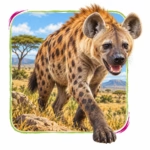 Spotted Hyena Facts for Kids
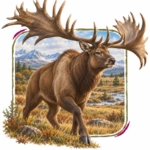 Irish Elk Facts for Kids
More Animal Facts for Kids
Visit the full animal facts library or explore a focused animal group.
More Extinct Animal Facts for Kids
Discover dinosaurs, Ice Age giants, prehistoric sea creatures, recently extinct species, and other animals from the past.
Fact check note: Fact checked with the American Society of Mammalogists Mammal Diversity Database current Eudorcas thomsonii account, which limits the species to Kenya and Tanzania, includes nasalis, and lists the 2024 IUCN status as Least Concern; Animal Diversity Web for black side stripe, male and variable female horns, roughly 70 km/h speed, stotting, short-grass grazing, dry-season browse, territorial scent marking, six-month gestation and hidden calves; and East African ungulate references for mixed-species grazing with zebras and wildebeest and flexible herd movements.


Thomson’s Gazelle in its natural Short-grass savanna, open plains, dry grassland, lightly wooded grassland, and seasonal grazing areas of Kenya and northern Tanzania habitat