
Vole Facts for Kids
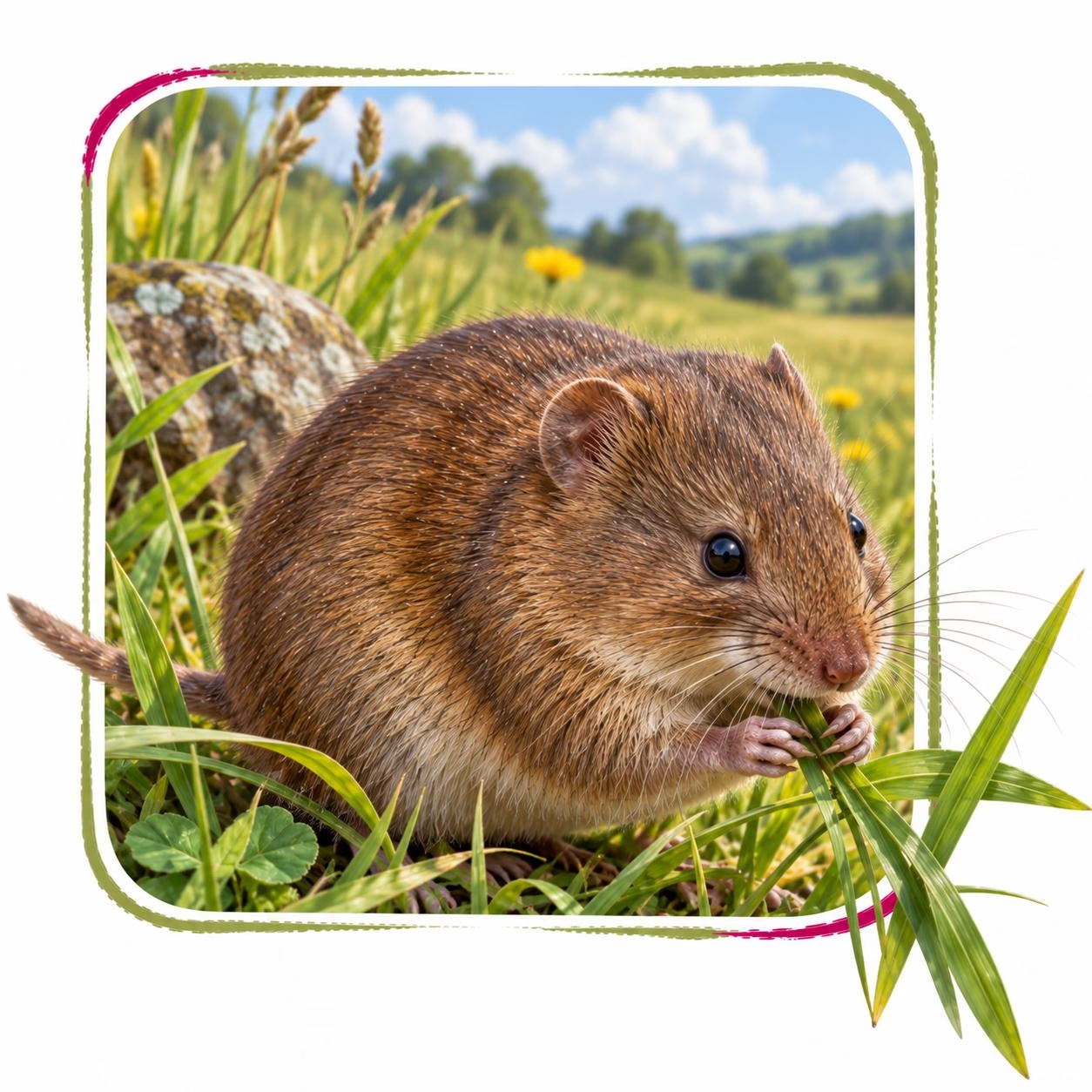
Voles are small rodents with short tails, round bodies, and tiny ears. They often live in meadows, grasslands, forests, and wetlands, where they build tunnels, nests, and pathways through vegetation.
Quick Vole Facts
- Animal Type: Mammal
- Group: Rodent
- Known For: Short tails, grassy runways, and tunnel systems
- Habitat: Meadows, grasslands, forests, wetlands, fields, marshes, and shrubby areas depending on species
- Diet: Grasses, roots, seeds, bark, stems, leaves, and other plant foods
What You’ll Learn
Learn 10 fascinating vole facts for kids about tunnels, grassy habitats, teeth, food, and quick breeding, plus a quiz, glossary, and activity
Clear explanations make them fun for children, families, teachers, and young nature explorers.

10 Fun Vole Facts for Kids
1. Voles Are Mammals
Voles are furry mammals that feed milk to their babies.
Kid Decode: A vole is a tiny meadow mammal with a busy schedule.
2. Voles Are Rodents
Voles belong to the rodent group along with mice, rats, squirrels, and beavers.
Kid Decode: They are little members of the rodent club.
3. Voles Have Short Tails
Voles usually have shorter tails than many mice.
Kid Decode: A vole tail is short and practical.
4. Voles Build Runways
Voles create paths through grass that they use again and again.
Kid Decode: A vole runway is a tiny meadow road.
5. Voles Use Tunnels and Burrows
Voles often dig burrows and use underground shelters.
Kid Decode: Their tunnels form a hidden neighborhood.
6. Baby Voles Are Called Pups
Baby voles are called pups and grow quickly.
Kid Decode: A vole pup starts life in a cozy nest.
7. Voles Build Nests
Voles make nests from grass and plant material.
Kid Decode: A vole nest is a soft grassy bedroom.
8. Voles Mostly Eat Plants
Many voles are herbivores that eat grasses, roots, seeds, and stems.
Kid Decode: Their menu is packed with green snacks.
9. Voles Are Important Prey
Voles are food for owls, foxes, snakes, hawks, and many other animals.
Kid Decode: A vole is a key player in the meadow food web.
10. Voles Need Healthy Meadows
Voles depend on grasslands, wetlands, and natural habitats with plenty of plant cover.
Kid Decode: Healthy meadows help voles thrive.
The Weirdest Vole Fact
A meadow can contain a maze of hidden vole runways that animals and people may never notice.
Try This Vole Activity
Vole Drawing Activity
Draw a vole running through a grassy meadow. Add short tail, tunnels, grassy runways, nest, seeds, flowers, roots, and a sunny meadow background.
Quick Vole Quiz
- What animal group are voles in? Answer: Mammals.
- What type of mammal is a vole? Answer: A rodent.
- What are baby voles called? Answer: Pups.
- What do many voles mostly eat? Answer: Plants.
- What special paths do voles make? Answer: Runways through grass.
Mini Glossary
- Mammal: An animal with fur that feeds milk to its young.
- Rodent: A mammal with continuously growing front teeth.
- Pup: A baby vole.
- Burrow: An underground shelter used by animals.
- Herbivore: An animal that eats mostly plants.



 Discus Fish Facts for Kids
 Gharial Facts for Kids
 North American Beaver Facts for Kids
 Fukuiraptor Facts for Kids
More Animal Facts for Kids
Visit the full animal facts library or explore a focused animal group.
More Extinct Animal Facts for Kids
Discover dinosaurs, Ice Age giants, prehistoric sea creatures, recently extinct species, and other animals from the past.
Fact check note: Fact checked with Britannica vole resources, Britannica rodent resources, and trusted wildlife education references.

Vole in its natural Grasslands habitat