
Wasp Facts for Kids
Wasps are insects related to bees and ants. Some wasps live alone, while others live in colonies. Many have narrow waists, smooth bodies, strong wings, and stingers, so their nests should be watched from a safe distance.
Quick Wasp Facts
- Animal Type: Insect
- Group: Hymenopteran insect and wasp group
- Known For: Narrow waists, stingers in many females, nests, larvae, paper nests, solitary hunters, social colonies, and pest control
- Habitat: Gardens, forests, fields, farms, trees, roof spaces, soil burrows, mud nests, paper nests, walls, meadows, and warm habitats worldwide depending on species
- Diet: Nectar, fruit juices, sugary liquids, caterpillars, flies, spiders, other insects, and protein foods for larvae depending on species
What You’ll Learn
Learn 10 busy termite facts for kids about colonies, queens, tunnels, wood-eating, and teamwork, plus a quiz, glossary, and activity
Clear explanations make them fun for children, families, teachers, and young nature explorers.
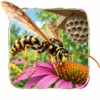
10 Fun Wasp Facts for Kids
1. Wasps Are Insects
Wasps are insects with six legs, three body parts, antennae, and wings as adults.
Kid Decode: A wasp is a sharp-waisted flyer with serious nest energy.
2. Wasps Are Related to Bees and Ants
Wasps, bees, and ants all belong to the insect order Hymenoptera.
Kid Decode: They are cousins in the buzzing, building, stinging family tree.
3. Baby Wasps Are Larvae
Young wasps are called larvae and grow inside nest cells or protected spaces.
Kid Decode: A wasp larva is a tiny grub waiting for food deliveries.
4. Wasps Have Complete Metamorphosis
Wasps grow through egg, larva, pupa, and adult stages.
Kid Decode: Before the winged adult, there is a hidden transformation chapter.
5. Many Wasps Have Stingers
Many female wasps have stingers and may sting if threatened or if a nest is disturbed.
Kid Decode: Best rule: admire wasps without bothering their home.
6. Some Wasps Live in Colonies
Social wasps can live in colonies with queens, workers, nests, and shared jobs.
Kid Decode: A wasp colony is a buzzing team project.
7. Some Wasps Live Alone
Many wasps are solitary and build small nests or cells for their young.
Kid Decode: Not every wasp has a crowd; some run a one-wasp nursery.
8. Paper Wasps Make Paper Nests
Paper wasps chew wood fibers and mix them with saliva to make papery nest material.
Kid Decode: They are tiny paper makers with wings.
9. Wasps Help Control Pests
Many wasps hunt caterpillars, flies, or other insects to feed their larvae.
Kid Decode: Garden pests should be nervous around wasp parents.
10. Wasps Can Visit Flowers
Adult wasps may drink nectar and can help move pollen while visiting flowers.
Kid Decode: They are not fuzzy like bees, but they still join some flower errands.
The Weirdest Wasp Fact
Some wasps make paper nests from chewed wood, turning plant fibers into tiny hanging homes.
Try This Wasp Activity
Wasp Drawing Activity
Draw a wasp nest scene from a safe distance. Add an adult wasp with narrow waist, wings, antennae, nest cells, larvae, pupae, a queen, workers, flowers for nectar, caterpillars, and a “do not disturb nests” safety sign.
Quick Wasp Quiz
- What animal group are wasps in? Answer: Insects.
- What are baby wasps called? Answer: Larvae.
- What insect order includes wasps, bees, and ants? Answer: Hymenoptera.
- What should you avoid disturbing? Answer: A wasp nest.
- What can paper wasps make from chewed wood fibers? Answer: Paper nests.
Mini Glossary
- Insect: An animal with six legs, three body parts, and antennae.
- Larva: A young stage that looks different from the adult.
- Pupa: A stage between larva and adult in complete metamorphosis.
- Hymenoptera: The insect order that includes wasps, bees, and ants.
- Colony: A group of animals living together.
 Armadillo Facts for Kids
 Sawshark Facts for Kids
 Butterfly Facts for Kids
 Parapropalaehoplophorus Facts for Kids
More Animal Facts for Kids
Visit the full animal facts library or explore a focused animal group.
More Extinct Animal Facts for Kids
Discover dinosaurs, Ice Age giants, prehistoric sea creatures, recently extinct species, and other animals from the past.
Fact check note: Fact checked with Britannica wasp resources, Britannica paper wasp resources, Britannica Hymenoptera resources, and trusted insect education references.

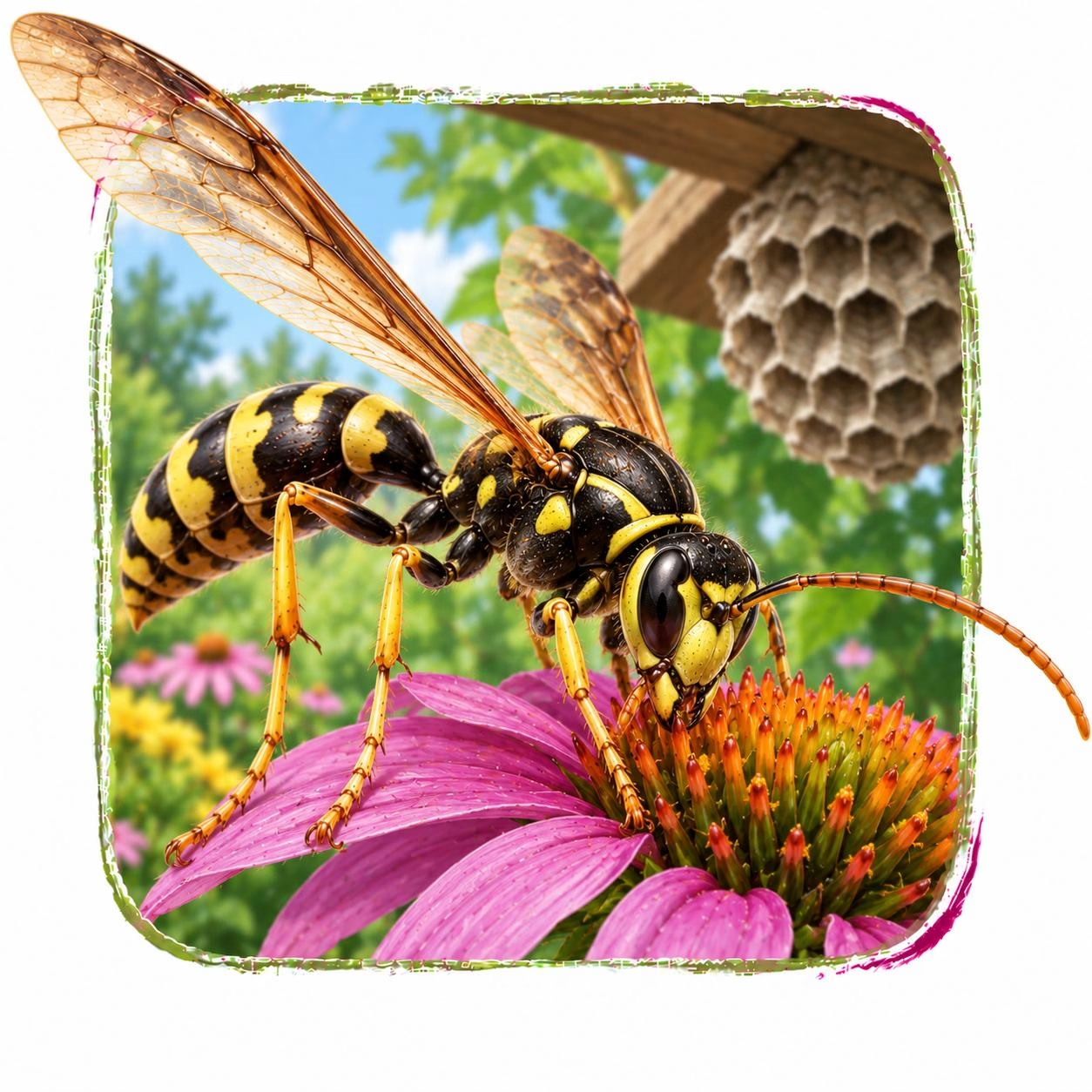
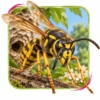
Wasp in its natural Gardens habitat