
Weasel Facts for Kids
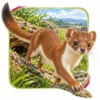
Weasel is a common name for several small, slender predators in the family Mustelidae, especially species in the genera Mustela and Neogale. They are relatives of stoats, ferrets, mink, otters, badgers, and wolverines, not rodents. Different weasel species live across much of Europe, Asia, North America, and parts of Africa, with some introduced elsewhere. Their tube-shaped bodies, short legs, sharp senses, and energetic hunting style help them follow mice and voles through narrow tunnels, but coat colour, tail pattern, size, reproduction, and conservation status vary by species.
Quick Weasel Facts
- Animal Type: Mammal
- Group: Small mustelids, especially species in Mustela and Neogale
- Known For: Long flexible bodies, short legs, fast hunting, rodent-sized tunnel travel, scent marking, food caching, and seasonal coat change in some northern populations
- Habitat: Grassland, woodland, farmland, tundra, scrub, wetlands, mountains, rocky places, and areas rich in small prey
- Diet: Mainly rodents, plus rabbits, birds, eggs, reptiles, amphibians, insects, and other small animals depending on species and location
What You’ll Learn
Explore 10 speedy weasel facts for kids about long bodies, sharp senses, hunting, burrows, and the different animals called weasels, plus a quiz, glossary, and activity
Easy explanations make them great for children, families, teachers, and young nature fans.
10 Fun Weasel Facts for Kids
1. Weasel Is a Group Name
The word weasel does not identify one worldwide species. It commonly refers to several small mustelids, especially members of Mustela, while some New World species formerly placed there are now classified in Neogale.
Kid Decode: One short name covers a whole squad of narrow-bodied hunters.
2. Weasels Are Mustelids, Not Rodents
Weasels belong to the carnivoran family Mustelidae. Their relatives include stoats, ferrets, mink, martens, otters, badgers, and wolverines, while mice and voles are common prey rather than close cousins.
Kid Decode: The mouse-shaped hunter and the mouse belong on opposite sides of the chase.
3. A Long Body Fits Narrow Tunnels
Their elongated bodies, flexible spines, small heads, and short legs let many weasels enter rodent burrows and travel through grass tunnels where wider predators cannot follow.
Kid Decode: A weasel turns a mouse tunnel into a full-sized hunting road.
4. Small Bodies Need Frequent Fuel
Weasels lose heat quickly and have high energy demands, so many hunt often and eat a large amount for their size. Activity patterns change with prey, weather, season, and species.
Kid Decode: The tiny engine runs hot and keeps asking for another snack.
5. Rodents Are Their Main Prey
Mice, voles, lemmings, and other small mammals form much of the diet of many species. Larger weasels may also catch young rabbits, birds, eggs, reptiles, amphibians, or insects.
Kid Decode: A narrow hunter follows dinner through doorways no fox could use.
6. They May Store Extra Food
When prey is plentiful, some weasels carry uneaten food into a den, burrow, rock crevice, or hidden cache for later. This behaviour can help during bad weather or a temporary shortage.
Kid Decode: The pantry may be a mouse tunnel with a secret back shelf.
7. Scent Helps Mark Their World
Weasels use scent from glands, urine, and droppings to advertise territory and reproductive condition. Body posture, sounds, and direct encounters also carry messages.
Kid Decode: The forest noticeboard is written in smells rather than ink.
8. Some Turn White in Winter
Some northern populations of least weasels, stoats, and long-tailed weasels grow white winter coats, but not every species or population changes colour. A stoat usually keeps a black tail tip, while a least weasel does not.
Kid Decode: Snow can repaint the coat, but it does not give every tail a black paintbrush.
9. Most Hunt Alone
Many weasels are mainly solitary outside breeding and family care. Individuals patrol home ranges whose size changes with sex, habitat, prey abundance, and season.
Kid Decode: One slim hunter can operate an entire night shift by itself.
10. Reproduction Differs by Species
Young weasels are called kits and are raised in sheltered dens. Litter size and timing vary, and delayed implantation occurs in some mustelids and weasel species but not in all of them.
Kid Decode: Some kits begin growing at once, while others wait through a biological pause button.
The Weirdest Weasel Fact
The least weasel, Mustela nivalis, is widely recognised as the smallest living carnivoran, yet this miniature predator can tackle prey close to or even larger than its own size.
Try This Weasel Activity
Weasel Tunnel-Hunter Activity
Draw a weasel moving through grass and a vole tunnel. Add a long flexible body, short legs, small rounded ears, whiskers, sharp teeth, brown upper fur and pale underparts, a prey cache, scent marks, a den with kits, and a split seasonal panel showing that only some northern weasels become white. Include a stoat comparison with a black tail tip and label that ordinary least-weasel tails lack it.
Quick Weasel Quiz
- Are weasels rodents? Answer: No, they are carnivoran mammals in the mustelid family.
- Why are their bodies long and narrow? Answer: The shape helps them follow prey through burrows and tunnels.
- What do many weasels eat most often? Answer: Small mammals such as mice and voles.
- Do all weasels turn white in winter? Answer: No, only some species and populations do.
- What are young weasels called? Answer: Kits.
Mini Glossary
- Mustelid: A member of the mammal family containing weasels, otters, badgers, ferrets, mink, and wolverines.
- Home Range: The area an animal regularly travels while finding food, shelter, and mates.
- Cache: Food hidden for later use.
- Delayed Implantation: A reproductive pause before an embryo attaches and continues developing.
- Ermine: A name often used for a stoat in its white winter coat.


 Starfish Facts for Kids
 Saltwater Crocodile Facts for Kids
 Hermit Crab Facts for Kids
 Hyracodon Facts for Kids
More Animal Facts for Kids
Visit the full animal facts library or explore a focused animal group.
More Extinct Animal Facts for Kids
Discover dinosaurs, Ice Age giants, prehistoric sea creatures, recently extinct species, and other animals from the past.
Fact check note: Fact checked with Mammal Diversity Database taxonomy for Mustela and Neogale, Animal Diversity Web accounts for Mustelidae and Mustela erminea, the Mammal Society and Woodland Trust accounts of Mustela nivalis, and specialist mustelid references on tunnel hunting, scent communication, winter coat change, food caching, kits, and delayed implantation.

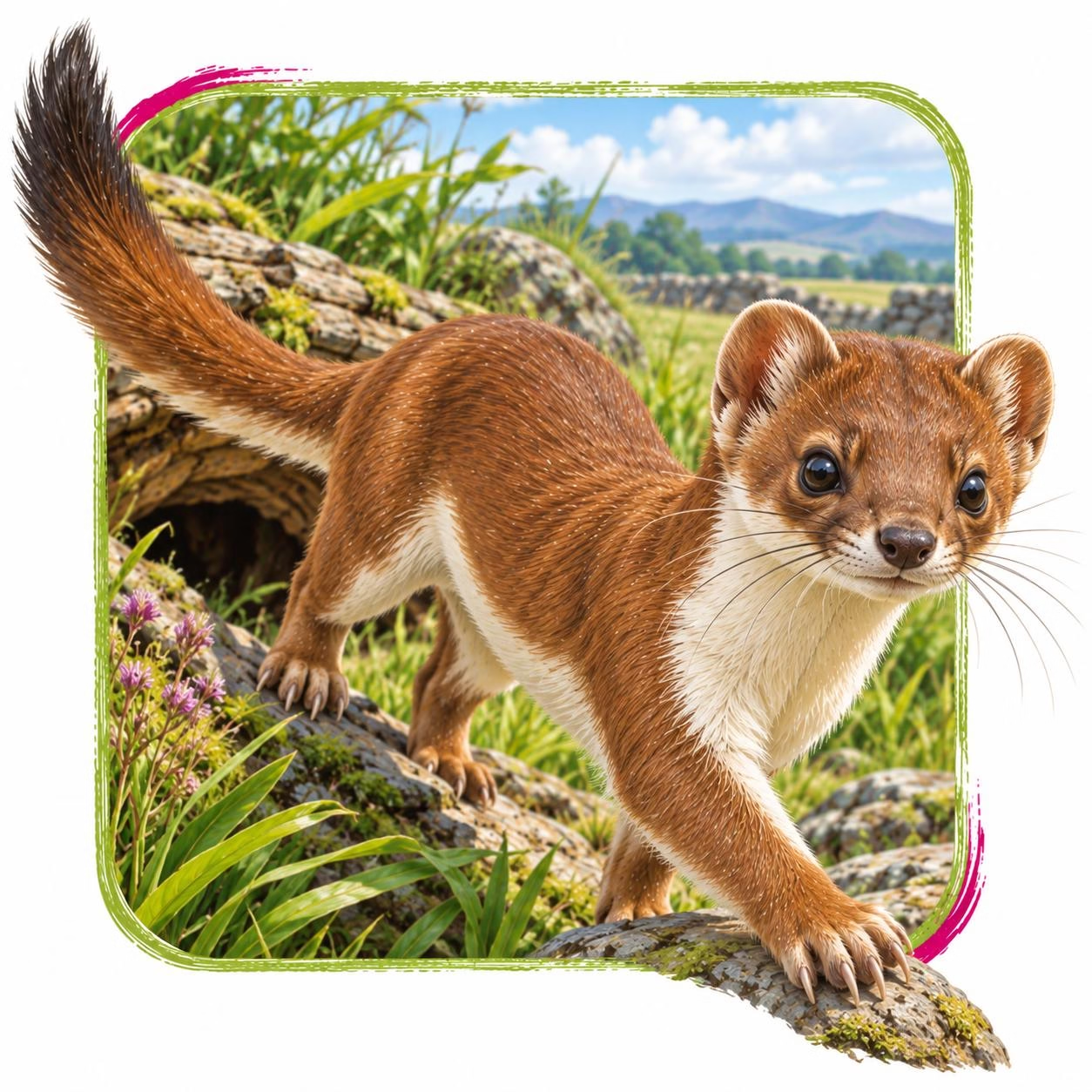
Weasel in its natural Grasslands, woodlands, farmland, tundra, scrub, wetlands, mountains, rocky places, field edges, hedgerows, and prey-rich burrow systems habitat