
Woodpecker Facts for Kids
Woodpeckers are birds known for tapping, drilling, and drumming on trees. They have strong beaks, long sticky tongues, climbing feet, and stiff tail feathers that help them search tree bark for insects.
Quick Woodpecker Facts
- Animal Type: Bird
- Group: Woodpecker family
- Known For: Pecking trees and long tongues
- Habitat: Forests, woodlands, orchards, parks, gardens, deserts, and tree-filled areas
- Diet: Insects, ants, beetle larvae, sap, fruit, nuts, seeds, and berries
What You’ll Learn
Discover 10 fascinating woodpecker facts for kids about pecking, strong beaks, long tongues, tree homes, and climbing, with a quiz, glossary, and woodpecker activity
These simple facts are made for kids, parents, teachers, and curious little fact-finders.
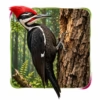
10 Fun Woodpecker Facts for Kids
1. Woodpeckers Peck Trees
Woodpeckers use strong beaks to tap and drill into bark. This helps them find insects or make nesting holes.
Kid Decode: A woodpecker beak is a tiny feathered drill.
2. Woodpeckers Drum to Communicate
Woodpeckers may drum on wood or other surfaces to send messages, claim territory, or attract mates.
Kid Decode: Drumming is woodpecker texting with a beak.
3. Woodpeckers Have Long Sticky Tongues
Many woodpeckers have very long tongues with sticky or barbed tips. These tongues help pull insects from holes.
Kid Decode: That tongue is a bug-catching noodle.
4. Woodpeckers Eat Insects
Many woodpeckers eat insects hiding in tree bark, including ants and beetle larvae. Some also eat fruit, nuts, seeds, or sap.
Kid Decode: Woodpeckers are tree-trunk snack detectives.
5. Woodpeckers Climb Tree Trunks
Woodpeckers have strong feet that help them grip bark. Many have two toes forward and two backward.
Kid Decode: Woodpecker feet are bark-climbing clamps.
6. Woodpeckers Use Stiff Tail Feathers
Stiff tail feathers help support woodpeckers while they cling to tree trunks.
Kid Decode: The tail works like a tiny tree prop.
7. Baby Woodpeckers Are Chicks
Baby woodpeckers are called chicks. They hatch inside tree cavities and depend on their parents for food.
Kid Decode: A woodpecker chick grows up inside a wooden nursery.
8. Woodpeckers Nest in Tree Holes
Many woodpeckers dig nesting cavities in trees. Old woodpecker holes can later help other animals find shelter.
Kid Decode: Woodpeckers are forest apartment builders.
9. Woodpeckers Have Shock-Helping Heads
Woodpeckers have special body features that help them handle repeated pecking. Their skulls, muscles, and beaks work together.
Kid Decode: Woodpecker heads are built for tap-tap engineering.
10. Woodpeckers Help Forests
By eating insects and making cavities, woodpeckers can help trees and provide homes for other wildlife.
Kid Decode: Woodpeckers are noisy forest helpers.
The Weirdest Woodpecker Fact
A woodpecker’s tongue can be so long that special structures wrap around the skull area when it is not being used.
Try This Woodpecker Activity
Woodpecker Drawing Activity
Draw a woodpecker clinging to a tree trunk. Add a strong beak, long tongue, stiff tail, climbing feet, tree bark, insects, a nest hole, and chicks inside.
Quick Woodpecker Quiz
- What do woodpeckers use to peck trees? Answer: Their strong beaks.
- What do woodpeckers often eat from bark? Answer: Insects.
- What kind of tongue helps woodpeckers catch bugs? Answer: A long sticky tongue.
- What are baby woodpeckers called? Answer: Chicks.
- Where do many woodpeckers nest? Answer: In tree holes or cavities.
Mini Glossary
- Drumming: Fast tapping used by woodpeckers to communicate.
- Cavity: A hollow hole in a tree used for nesting or shelter.
- Chick: A baby bird.
- Bark: The outer covering of a tree trunk or branch.
- Larva: A young stage of some insects.
 Parakeet Facts for Kids
 Polar Bear Facts for Kids
 Prawn Facts for Kids
 Kosmoceratops Facts for Kids
More Animal Facts for Kids
Visit the full animal facts library or explore a focused animal group.
More Extinct Animal Facts for Kids
Discover dinosaurs, Ice Age giants, prehistoric sea creatures, recently extinct species, and other animals from the past.
Fact check note: Fact checked with Britannica Kids woodpecker resources, Britannica woodpecker resources, and trusted bird education references.

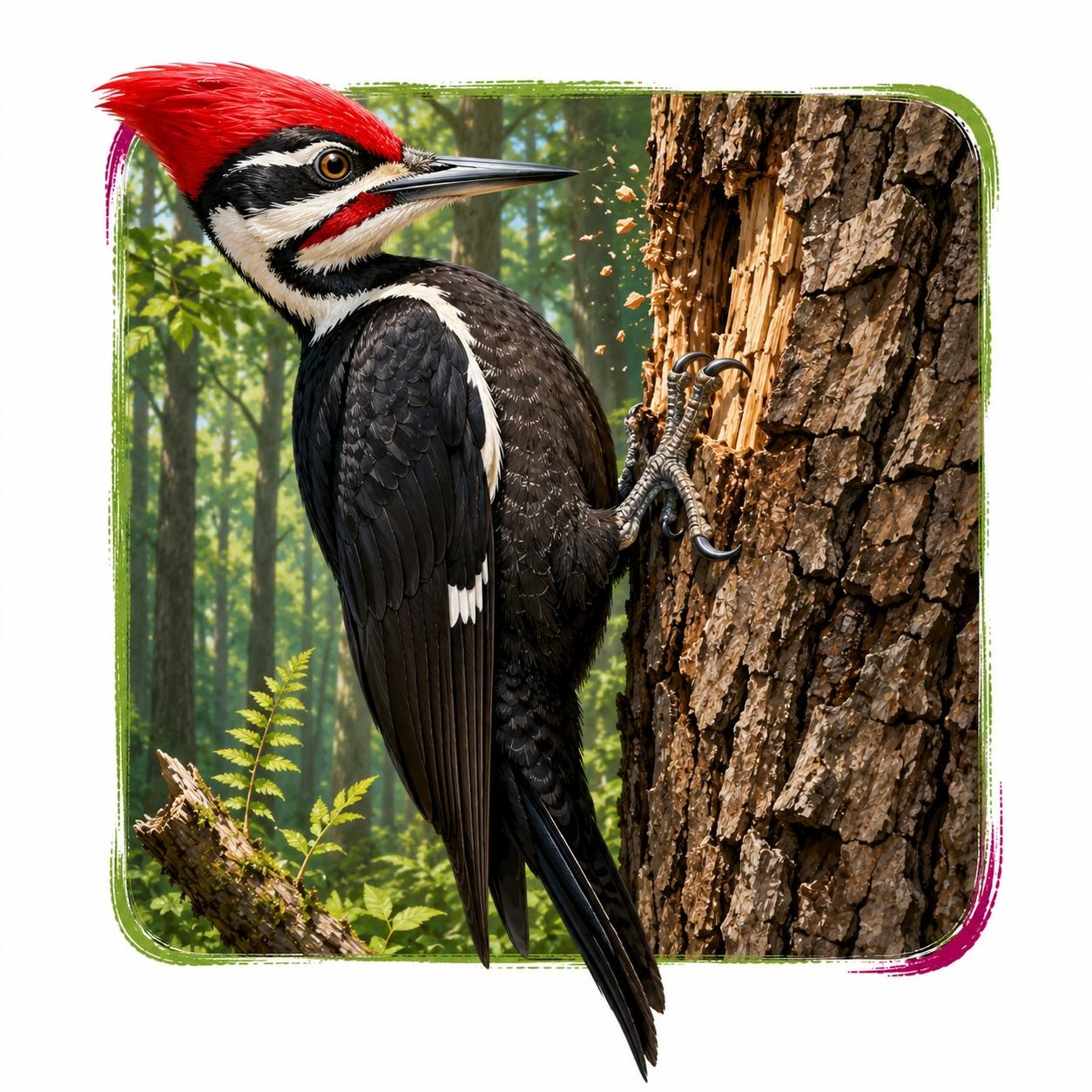
Woodpecker in its natural Forests habitat